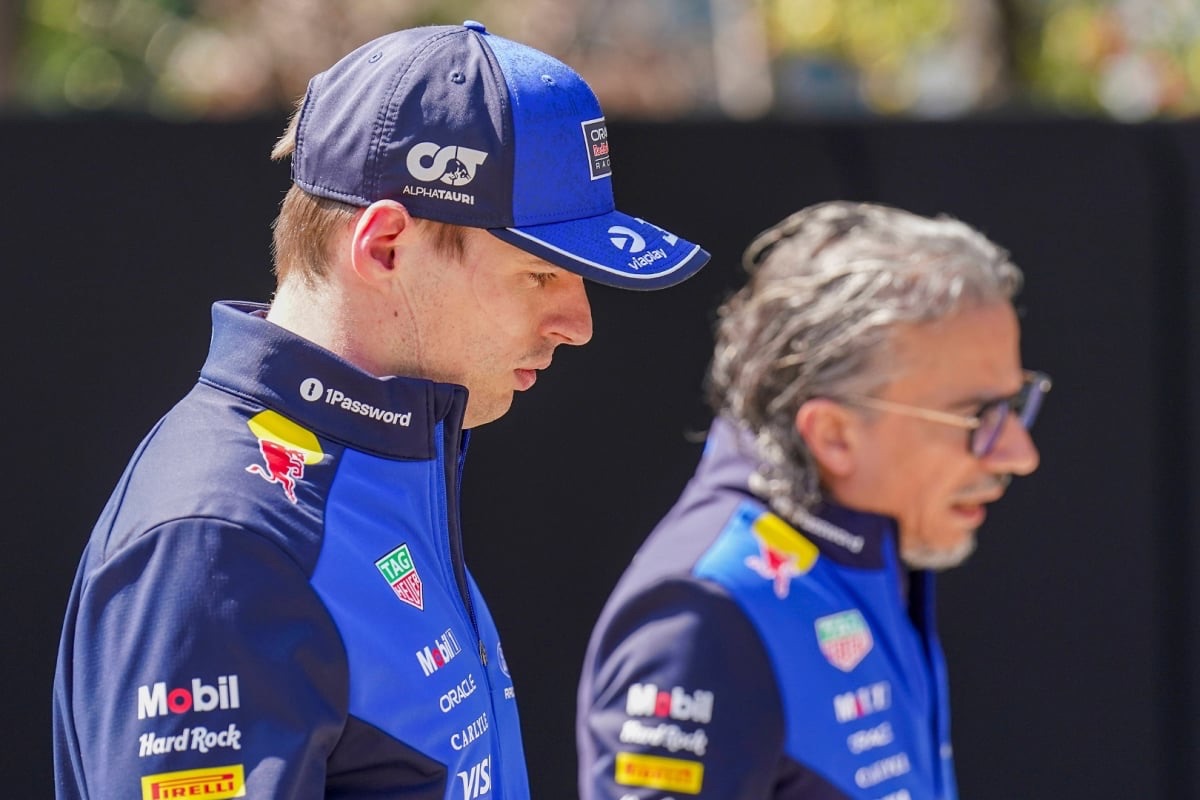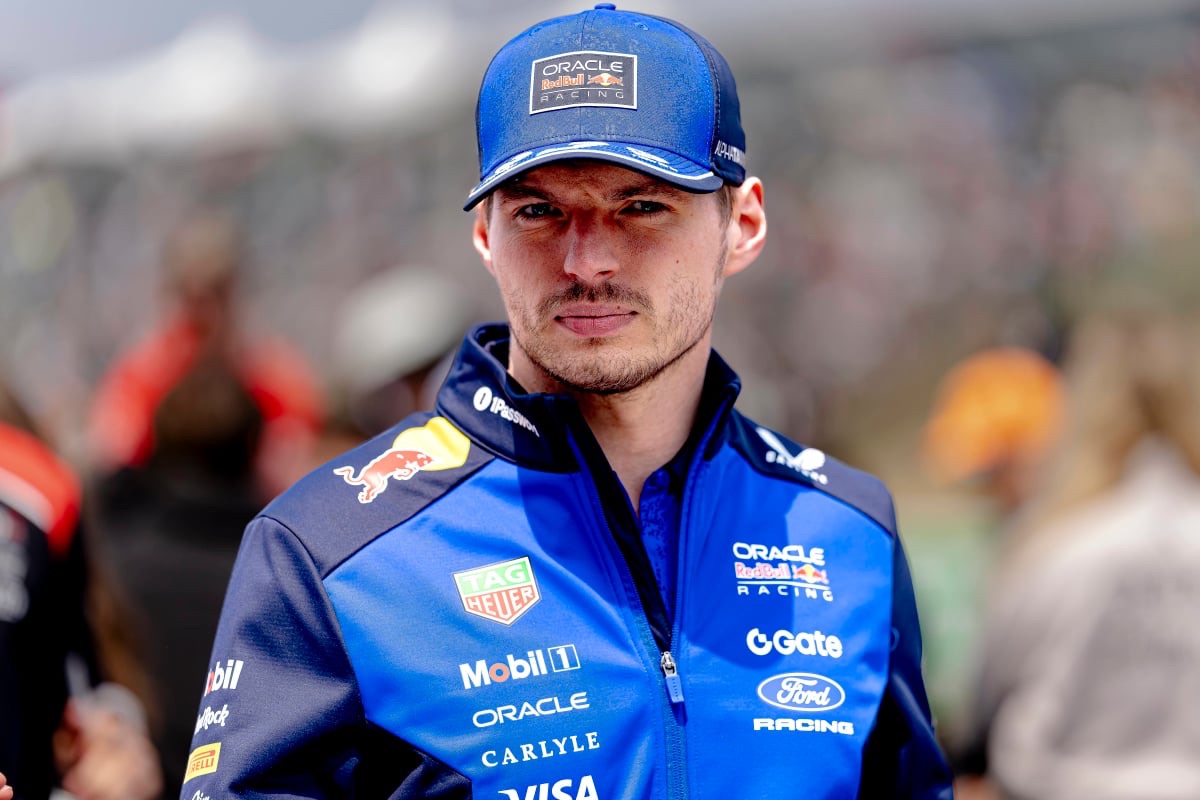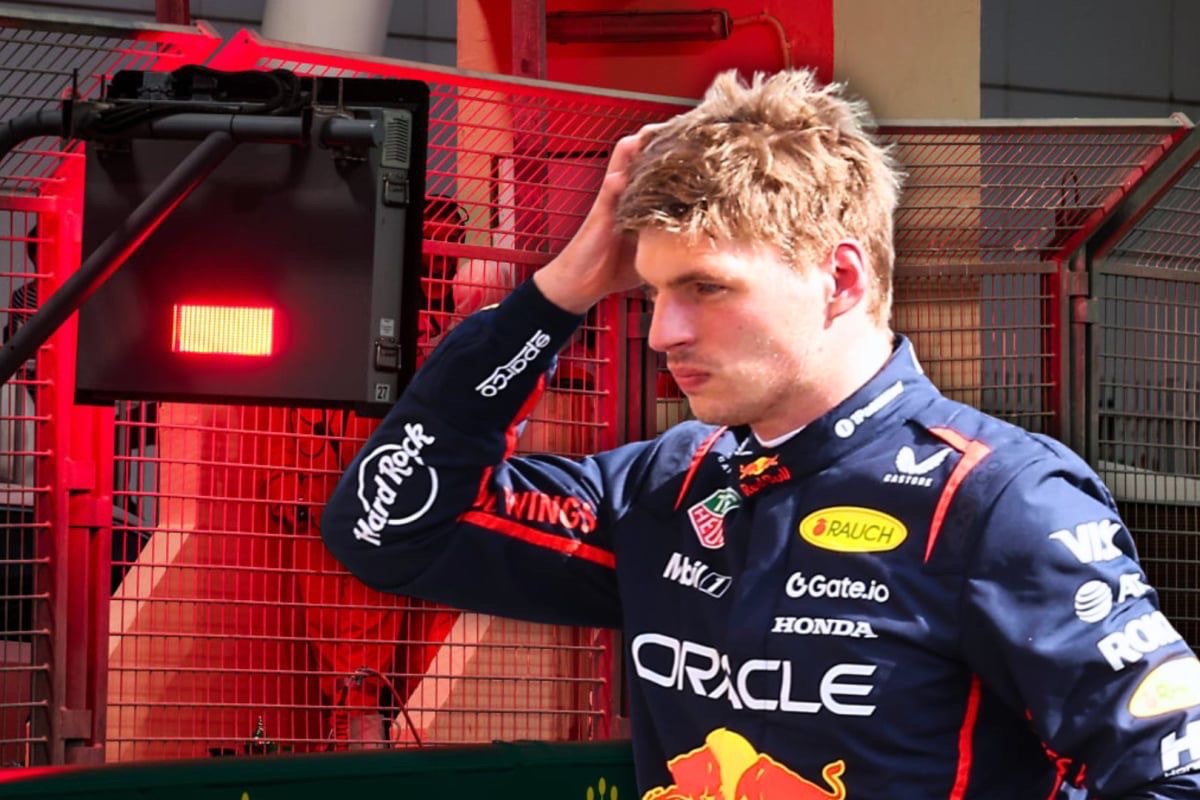
On January 27, 2026, Formula 1 fans around the world were treated to a surprising development during the ongoing pre-season testing at the famed Circuit de Barcelona-Catalunya in Spain. The attention-grabbing moment came not from a blazing lap time or a cutting-edge technical upgrade, but from a sudden red flag interruption triggered by none other than Max Verstappen, the highly decorated and multiple-world champion driver for Red Bull Racing.
This unexpected event occurred during the second day of closed-door testing, a phase of preparations that teams usually keep closely under wraps. Unlike regular race weekends where fans and media follow every session, pre-season testing is typically an exercise shrouded in both secrecy and speculation. In 2026, that secrecy has been even tighter than usual due to extensive regulation changes set to take effect this season. Teams have been guarded about releasing performance data, lap times, and any insights into how their new cars behave. Yet despite that tight information blackout, word spread quickly that Verstappen’s off-track adventure had momentarily thrown a wrench into the session’s schedule.
According to the reports that emerged, Verstappen was out on track in the morning session when he encountered difficulty at Turn 5, a medium-speed corner that has become well known for catching drivers out if they misjudge grip levels or car balance. In this case, it appears Verstappen slid off the racing surface — perhaps a result of the cold tires and track conditions experienced early in the day — and ended up in the gravel trap.
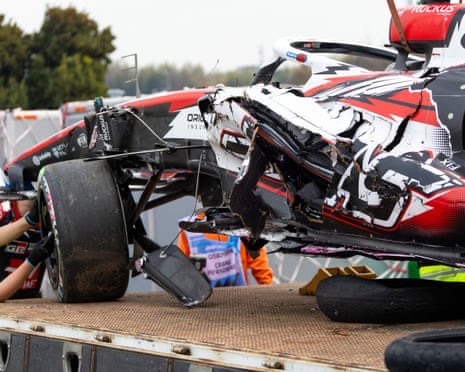
While the incident wasn’t serious enough to cause damage to Verstappen or his car, it was significant enough to prompt marshals to deploy the red flag, effectively pausing the entire test session. This stoppage lasted for several minutes — long enough to interrupt Red Bull’s carefully planned running schedule and for engineers to assess the situation before action resumed.
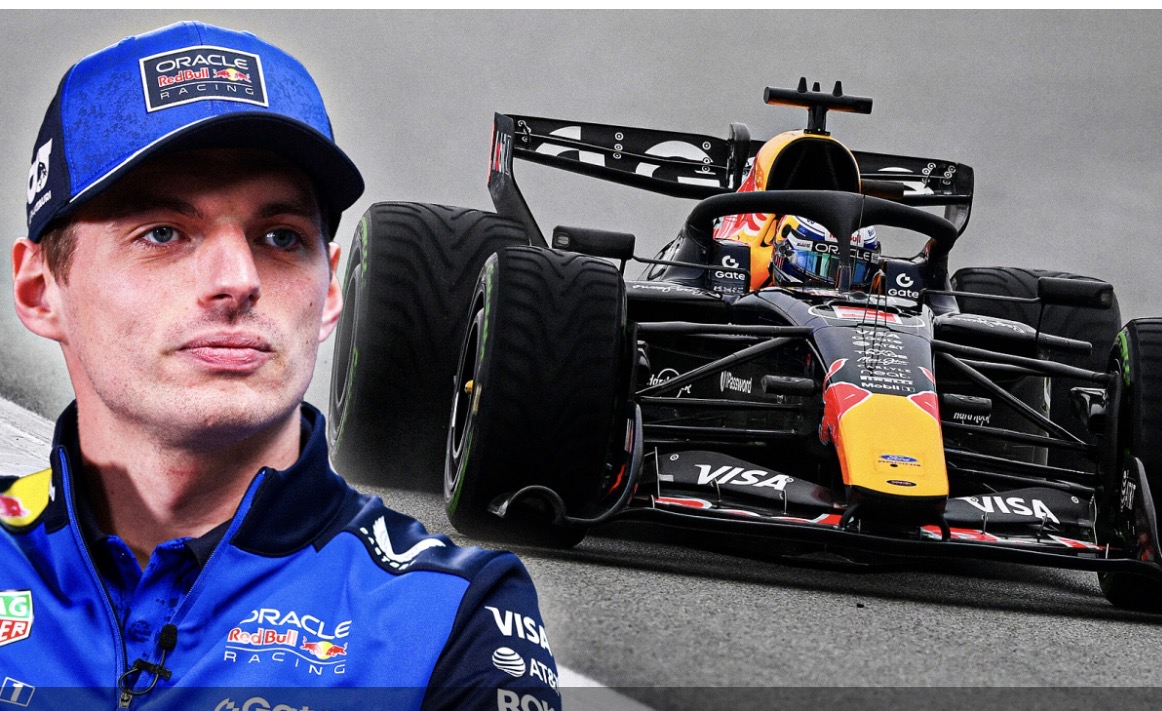
Reports indicate that Verstappen was able to quickly recover from the gravel, regain control of his RB22 (Red Bull’s 2026 contender), and drive it back to the pit lane without harm. Despite this, the mere fact that a driver of his caliber — one of the most successful in modern Formula 1 history — had run wide and prompted a stoppage sparked a host of reactions throughout the paddock and among fans.
Normally, pre-season testing is as much about gathering detailed engineering data as it is about preparing drivers for the racing year ahead. Teams use these opportunities to understand how their cars behave in different conditions, to evaluate tire wear, and to make iterative changes to suspension, aerodynamics, and power unit settings. Because the 2026 season is expected to introduce broad changes to aerodynamics, energy recovery systems, and car architecture overall, every lap in Barcelona is seen as unusually valuable — especially for championship favorites like Red Bull Racing.
That makes Verstappen’s red-flag incident particularly eye-catching. When a star driver goes off track in mid-January testing, it inevitably raises questions about what elements of the car performance might still be unsettled and whether rivals have found early advantages. But for now, the indications are that the event was simply a minor off-track excursion, not a sign of deeper mechanical trouble. Verstappen emerged from the gravel uninjured, Red Bull has issued no statements confirming damage, and the session resumed shortly thereafter.
Nonetheless, the fact that it made headlines — despite the general refusal of teams and organizers to openly share testing data — speaks to the intense interest the F1 community has in every nuance of pre-season developments. The dominance of Red Bull and Verstappen over recent years has set a high bar, and rivals like Ferrari, Mercedes, Audi, and Honda are all eager to close the gap under the new rule framework. Any unexpected moment, even one as seemingly trivial as a red-flag caused by a spin, attracts speculation and interpretation as pundits try to piece together the early competitive picture.
Fans online and in forums immediately began discussing the ramifications of the incident. Some saw it as a harmless slip that reminded everyone that even the best drivers can make small errors — especially when adapting to a new generation of cars and tire compounds. Others speculated whether the moment might reflect challenges Red Bull’s engineers are still trying to solve, particularly with the RB22’s balance and handling characteristics. However, no official confirmations have surfaced that the incident reflects anything more than a brief misjudgment at Turn 5.
Importantly, Verstappen’s red-flag moment did not result in any penalties or official reprimanding — those are typically reserved for race weekends where sessions count toward championship points or where a driver causes danger to others. In pre-season testing, the priority is safety and understanding what happened so teams can make adjustments and continue learning. The pause itself was a standard safety response, giving marshals and officials time to ensure the gravel trap and track surface were safe before other cars returned.
From an engineering standpoint, running off track and into a gravel trap is not unusual during early testing. Drivers are constantly pushing the limits to understand where those limits lie, and it’s not uncommon for them to exceed grip or misread a corner surface as fresh rubber gets laid down. In fact, such moments are often viewed as part of the learning process rather than a catastrophic error.
But because Verstappen is a four-time world champion, any error — even a minor one — inevitably makes headlines. His presence in Formula 1 has become one of its defining narratives over the past decade, and every performance detail, from races to tests, is dissected by fans, journalists, and rival teams alike. That context made the news of the red flag more than just a passing curiosity; it became a topic of conversation about how teams are adapting, how drivers manage the transition to new machinery, and what to expect when the season officially begins.
In the end, the incident served as a reminder that even the most seasoned drivers can have small off moments — and that in the world of elite motorsport, nothing goes unnoticed. As pre-season testing continues and teams refine their cars in anticipation of the first race, moments like Verstappen’s excursion underscore how competitive and finely balanced the 2026 Formula 1 campaign is shaping up to be.