Mercedes Escalates Issue to FIA After Young Star Kimi Antonelli Is Targeted Online with Abuse and Death Threats

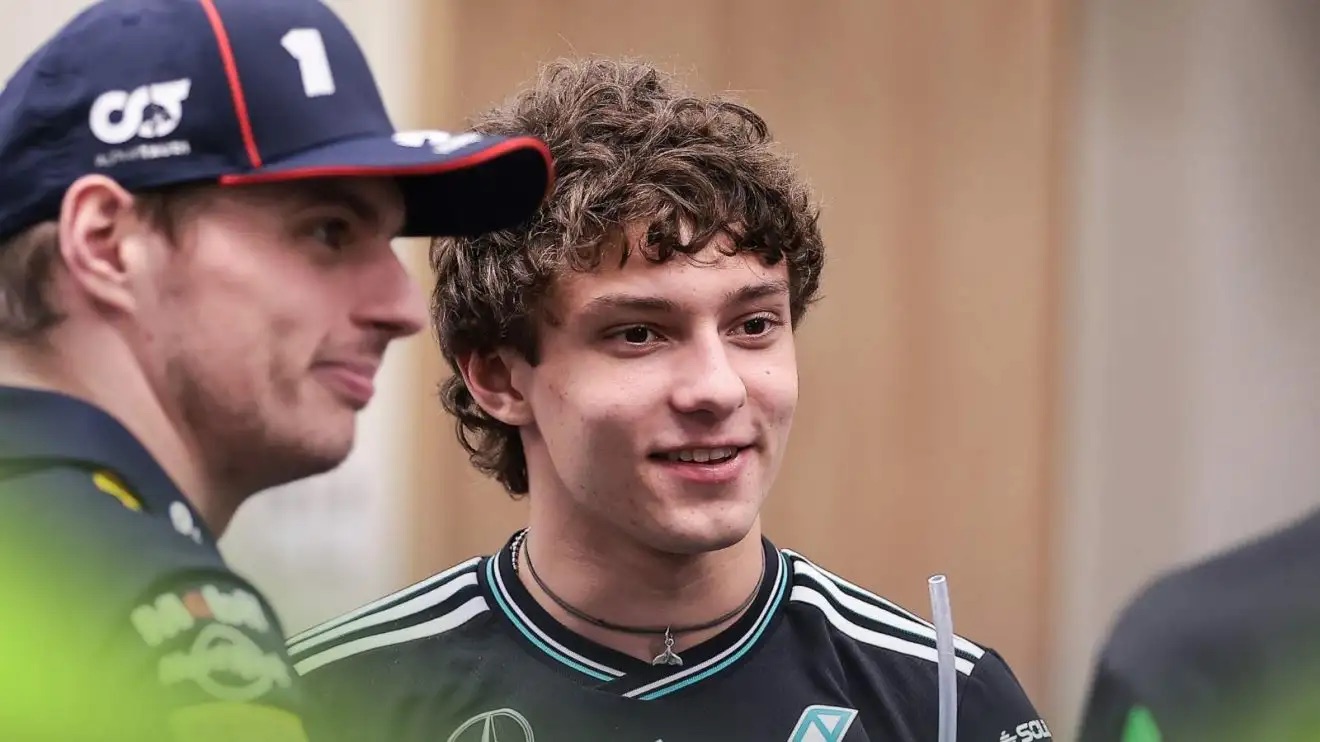
Mercedes-AMG Petronas Formula 1 Team has confirmed it will formally raise a serious concern with the Fédération Internationale de l’Automobile (FIA) after its teenage driver Andrea Kimi Antonelli became the focus of escalating online harassment, including explicit death threats, in the aftermath of the Qatar Grand Prix. The decision underscores a growing alarm within the sport about the rise of toxic fan behavior on social media and the real impact such abuse can have on young athletes.
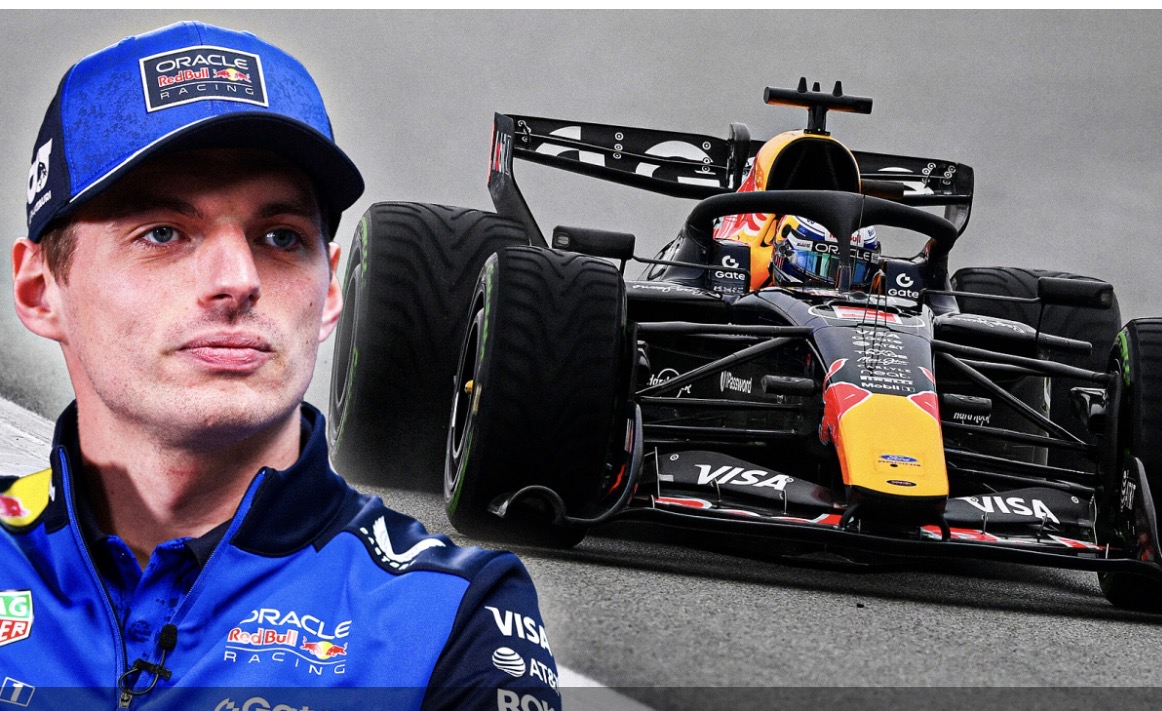
Antonelli — widely regarded as one of the most promising young talents to reach Formula 1 — encountered an intensely hostile digital backlash following a minor mistake during the penultimate lap of the Qatar race. In that moment, he lost position to McLaren’s Lando Norris, allowing him to overtake for fourth place. Although on the surface this seemed like a small error — one that happens regularly in the high-pressure environment of F1 — the implications were magnified by the championship context, as Norris gained crucial points in his fight with Max Verstappen.
The online response was swift and, in many cases, vicious. According to Mercedes’ internal monitoring, more than 1,100 comments directed at Antonelli’s own social media profiles were flagged for containing abusive language, with a subset of those identified as graphic and threatening in nature. Beyond Antonelli’s accounts, over 330 similarly severe messages were found on Mercedes’ official team pages. Given this alarming volume and severity, the team felt compelled to compile the offensive content and take it beyond its own internal moderation systems.
The Mercedes organization has stated that it intends to present this evidence to the FIA under its “United Against Online Abuse” campaign, a broader initiative aimed at tackling the growing issue of harassment, hate speech, and other harmful conduct within motorsport’s broader digital community. Through this step, Mercedes hopes that the governing body will use its influence to advocate for stronger deterrents and accountability for those who use the cover of anonymity to send death threats and harassing content to drivers and teams.
Mercedes’ concern isn’t only about the volume of the abuse but also its potential impact on the mental health and wellbeing of a driver who is still very young, both in age and in terms of Formula 1 experience. The team has publicly reaffirmed its commitment to Antonelli’s development, personally and professionally, emphasizing that the wellbeing of its drivers always takes priority over competition or championship narratives. Racing at the highest level is already psychologically demanding without the added stress of malicious attacks from anonymous users intent on causing distress.
The backlash that triggered this wave of online hostility began with comments made by Red Bull’s motorsport advisor Helmut Marko, who suggested that Antonelli may have intentionally allowed Norris to pass. Although Marko quickly walked back his remarks and issued a more sympathetic message, Mercedes’ team principal Toto Wolff was vocal in his criticism at the time, calling such speculation “brainless” and defending Antonelli’s mistake as nothing more than a normal racing error. Wolff’s staunch support for his driver reflected the team’s position that accusations of intentional wrongdoing were unfounded and that attributing malicious motives to ordinary race incidents is harmful.
The incident has sparked a broader conversation in the sport about how commentary — both from team insiders and media outlets — can inadvertently amplify negative fan reactions. Often, split-second moments that are unclear on camera can be interpreted incorrectly, and when those interpretations are broadcast without sufficient context, they can fuel misunderstandings and, in extreme cases, abusive behavior. The Mercedes team hopes that its decision to bring this issue to the FIA will encourage better standards for commentary and reporting, as well as stronger mechanisms to address abusive conduct online.
Teams and drivers around the paddock have shown increasing concern in recent seasons about the intense scrutiny that comes with modern social media. The ease with which fans can engage directly with athletes has benefits, but it also opens the door to targeted harassment and personal attacks that differ greatly from traditional fan criticism. For a team like Mercedes, which is invested in nurturing the next generation of top-level talent, protecting young drivers from extreme online negativity has become a priority.
Beyond the team’s response, elements of the sport itself have reacted. For example, Red Bull publicly expressed regret over the hostile online reaction directed at Antonelli, describing the comments about him as “clearly incorrect” and expressing support for ending the abuse. This kind of acknowledgment from rival teams signals a shared recognition that the digital harassment of drivers is a growing problem that cuts across sporting allegiances.
Some commentators have also weighed in on how the FIA’s response so far has been received as insufficient, suggesting that while statements condemning online abuse are important, more proactive and timely measures may be needed to meaningfully change fan behavior and set clear expectations about acceptable conduct. Broader calls for clearer policies and stronger enforcement around online harassment have echoed through motorsport communities in various forums and media outlets.
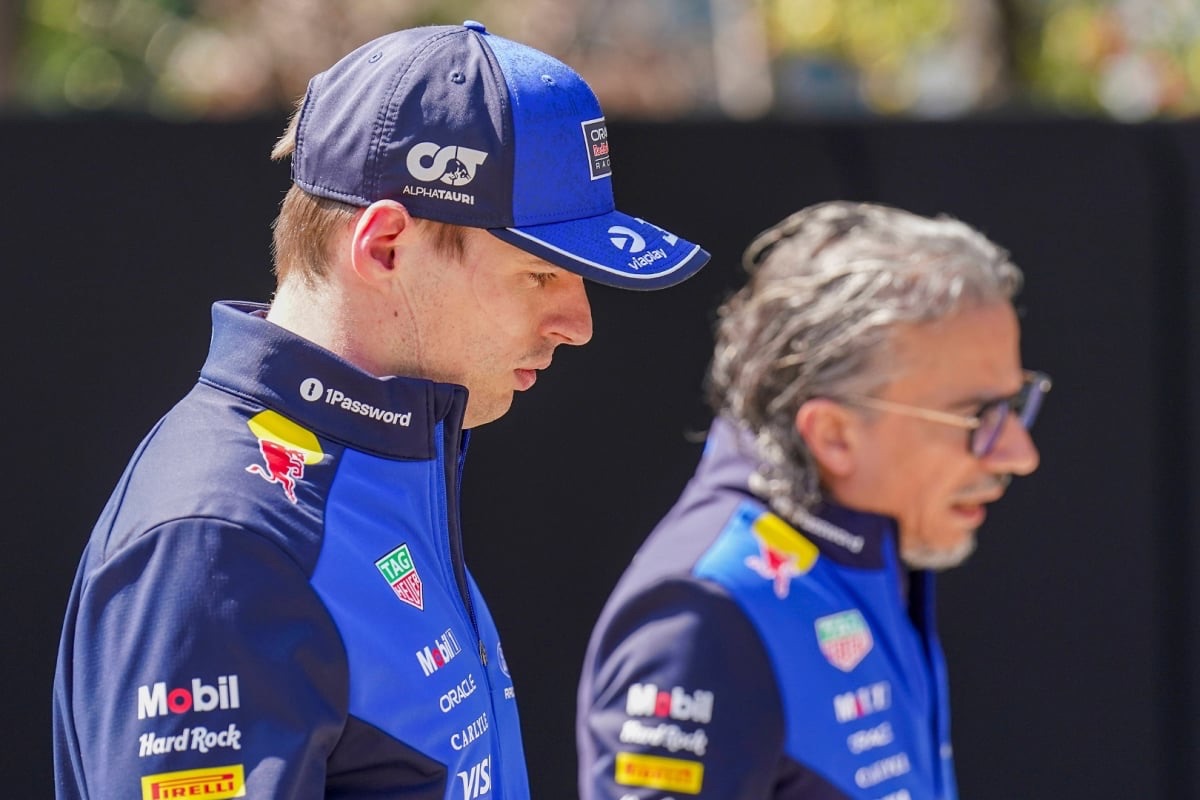
In the meantime, Antonelli himself has sought to focus on the positive aspects of the support he has received. After the incident, he publicly thanked Max Verstappen for reaching out, underscoring that support can come from unexpected quarters even in the midst of intense championship rivalries. Verstappen and his race engineer both expressed empathy for Antonelli’s situation, demonstrating a shared human concern beyond the competitive impulses of the sport.
As Formula 1’s 2025 season approaches its dramatic conclusion in Abu Dhabi, the spotlight will remain on the championship fight. But Mercedes’ move to take this matter to the FIA has made it clear that off-track issues — especially those involving wellbeing and respect — are now firmly part of the conversation. The team hopes that its proactive stance will help shift how the sport addresses online harassment and safeguarding for drivers of all ages, ensuring that the thrills of racing are not overshadowed by toxic behavior that detracts from both individuals and the sport as a whole.