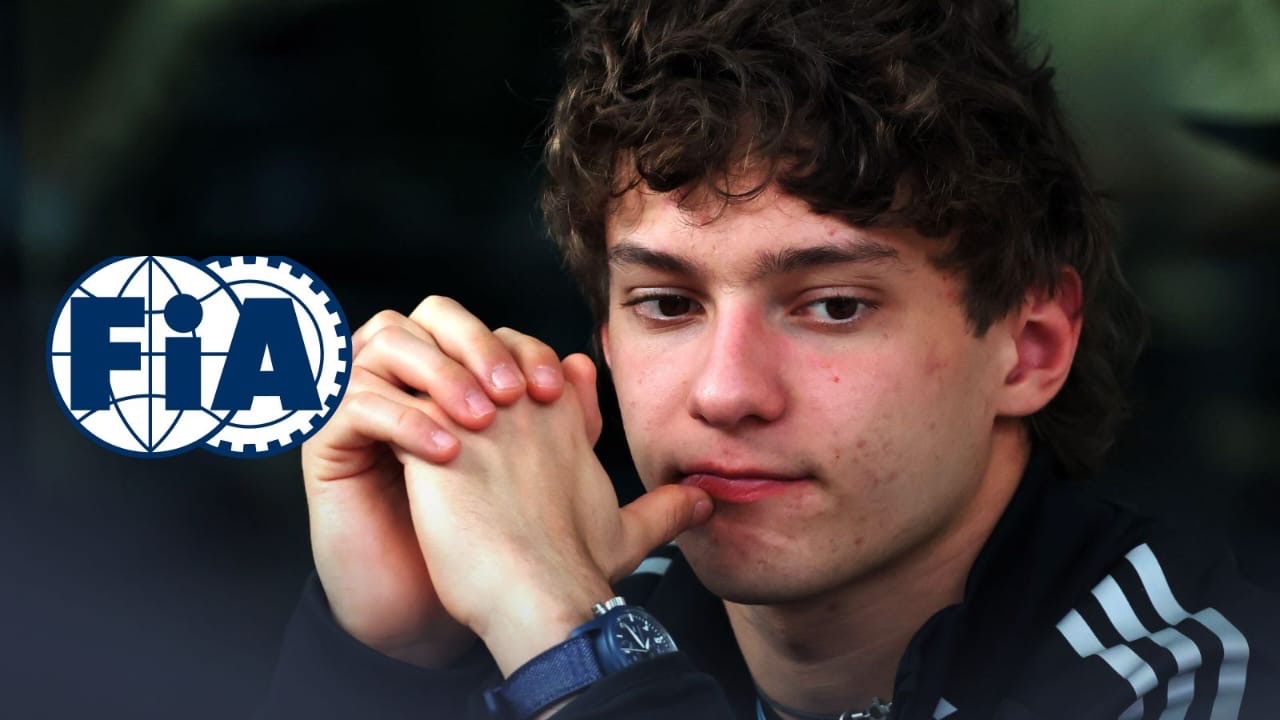
In the wake of the recent controversy following the 2025 Qatar Grand Prix, the Mercedes‑AMG Petronas Formula One Team (Mercedes) has announced it will escalate the matter of online abuse directed at their young driver Kimi Antonelli to the sport’s governing body, FIA (Fédération Internationale de l’Automobile). The decision comes after a wave of abusive messages — including death threats — were posted on social media following a contentious moment in the race, which had been misinterpreted by rival teams. The abuse triggered a broader reaction from Mercedes, culminating in formal action through FIA’s anti-abuse initiative.
What happened at the Qatar Grand Prix
During the final laps of the Qatar Grand Prix, Kimi Antonelli — a 19-year-old rookie driving for Mercedes — found himself defending against an overtake attempt from Lando Norris, driving for McLaren F1 Team. As the race approached its conclusion, Antonelli lost control of his car. On the penultimate lap, he ran wide, which allowed Norris to overtake and claim the fourth-place position. This overtake proved tactically important: those extra points for Norris strengthened his chances in the drivers’ championship fight heading into the season finale in Abu Dhabi.
The incident appeared straightforward: a racing error under pressure. Antonelli admitted as much, saying that he “pushed too hard … got out of shape … had a massive snap of oversteer.”
The Controversy and Accusations
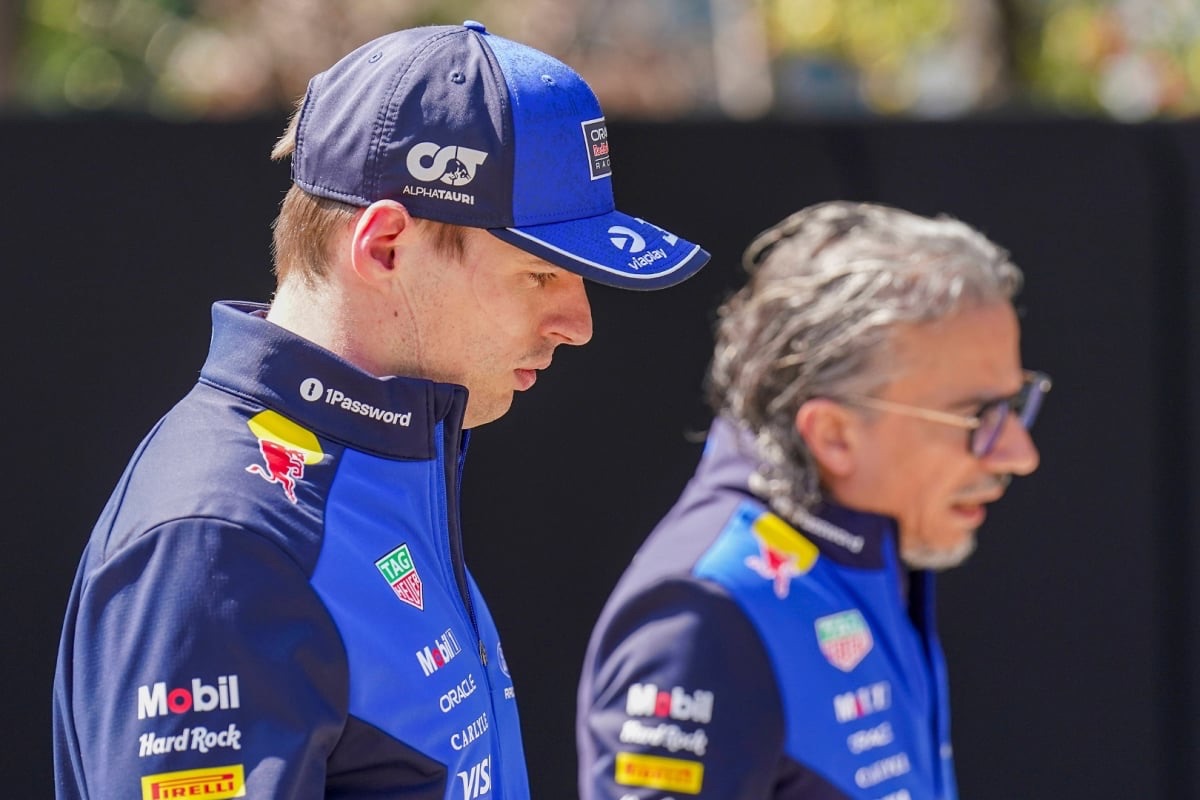
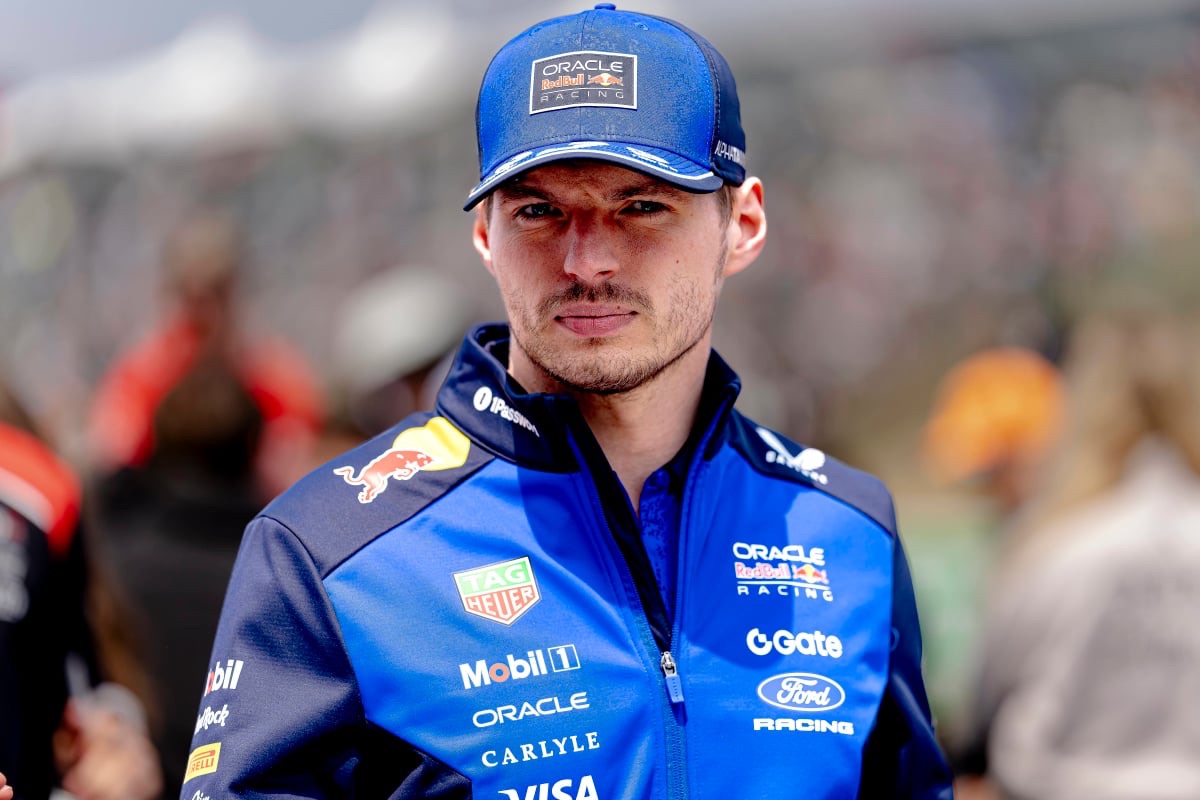
Despite the explanation, two high-profile figures from rival camps reacted strongly. During post-race radio communications, Norris’ race engineer, Gianpiero Lambiase, suggested to his driver that Antonelli had “just pulled over and let Lando through.” Shortly afterwards, senior advisor of Red Bull Racing, Helmut Marko, doubled down on this view. Marko publicly claimed that Antonelli had “waved Norris past” — implying that the overtake was intentional, possibly to influence the championship outcome.
These assertions triggered a massive backlash. Many fans and spectators interpreted the remarks as an implicit accusation of unsportsmanlike behavior, possibly team orders or collusion. As a result, Antonelli became the target of a torrent of vitriolic, abusive messages across social media. According to Mercedes’ internal community-management tools, more than 1,100 “severe or suspect” comments were logged on Antonelli’s own social media accounts; among these were “several” death threats. Meanwhile, the team’s own social media channels also flagged over 330 similar suspect comments.
In response to this wave of harassment, Antonelli changed his profile picture on Instagram to a plain black circle — a symbolic gesture signalling his protest against the negativity flooding his accounts.
Mercedes’ Response — Taking It to the FIA
The volume and severity of the abuse alarmed Mercedes. Recognizing the potential harm to their driver’s safety and mental well-being, and the broader culture of online harassment in motorsport, they decided to take formal action. Specifically, Mercedes intends to present the documented abuses to the FIA under the umbrella of its “United Against Online Abuse” campaign. That initiative aims to combat harassment, threats, and toxic content directed at drivers, teams, and other members of the racing community.
Mercedes’ decision underscores the seriousness with which they view online abuse and their commitment to protecting their personnel from harassment. It also reflects growing concern in the motorsport world about the harmful impact of social media toxicity on individuals — especially younger or less experienced drivers who may be more vulnerable.
Reaction From Red Bull and Apology
In light of the backlash — and with mounting internal and external pressure — Red Bull Racing issued an official statement Monday. The statement acknowledged their previous comments about Antonelli allowing Norris to pass were “clearly incorrect.” It clarified that replay video evidence showed Antonelli “momentarily losing control of his car, thus allowing Norris to pass him.” Red Bull expressed regret that their remarks had contributed to Antonelli receiving online abuse.
This apology represented a sharp reversal from the immediate post-race reactions, signalling that Red Bull recognized the gravity of the situation — not just in sporting terms but in human terms, given the hostility directed at a teenager.
What Officials Say — Defending Integrity
Toto Wolff, head of Mercedes’ Formula 1 team, publicly condemned the early accusations against Antonelli. Wolff described the suggestions that his driver had deliberately conceded a position as “utter nonsense” and “brainless.” He privately confronted Lambiase to get clarity, but maintained that the overtaking was the result of a genuine driving error, not orchestrated manipulation. Wolff noted that Mercedes were still fighting for second place in the constructors’ standings — and at that moment, Antonelli himself was trying to chase a podium, not surrender a place. This made claims of intentional interference illogical.
Wolff’s strong reaction underlined the principle many in the paddock still respect: even in the high-stakes world of Formula 1, sporting integrity and fair competition remain paramount. Fixed or manipulated overtakes, especially in the final laps, strike at the heart of what the sport stands for — and Wolff made clear that Mercedes would not stand for such accusations or implied misconduct.
Wider Implications — Online Abuse, Mental Health, and Sporting Culture
Beyond the immediate drama of the race and the controversy, this episode highlights deeper issues facing modern sport. Social media platforms offer unprecedented connection — but also unprecedented exposure to abuse. A single moment in a live race, misinterpreted or mischaracterized, can lead to thousands of hateful messages within hours. For a young driver like Antonelli — still early in his career — this kind of harassment can be emotionally damaging, distracting, and potentially dangerous.
By referring the case to FIA under “United Against Online Abuse,” Mercedes — and implicitly the broader F1 community — are acknowledging that hurtful words are not harmless. They can have real effects on mental health, team morale, and even physical safety. The need to hold people accountable for what they say — especially influential figures or teams — becomes more urgent in this context.
Moreover, the fact that senior figures in one team (Red Bull) initially made provocative comments — which then triggered the backlash — draws attention to the responsibilities that come with prominence. When influential voices in sport make assertions, they can influence fan reaction, often with unintended consequences. That makes it all the more important for teams and officials to be careful, balanced and responsible in their public communications.
Finally, the episode could serve as a precedent. If FIA investigates and takes some kind of action — or issues warnings — it could mark a turning point in how online abuse is handled in F1. It might encourage more drivers and teams to speak out against harassment. It might also push platforms to enforce their own anti-abuse policies more strictly.
Looking Ahead
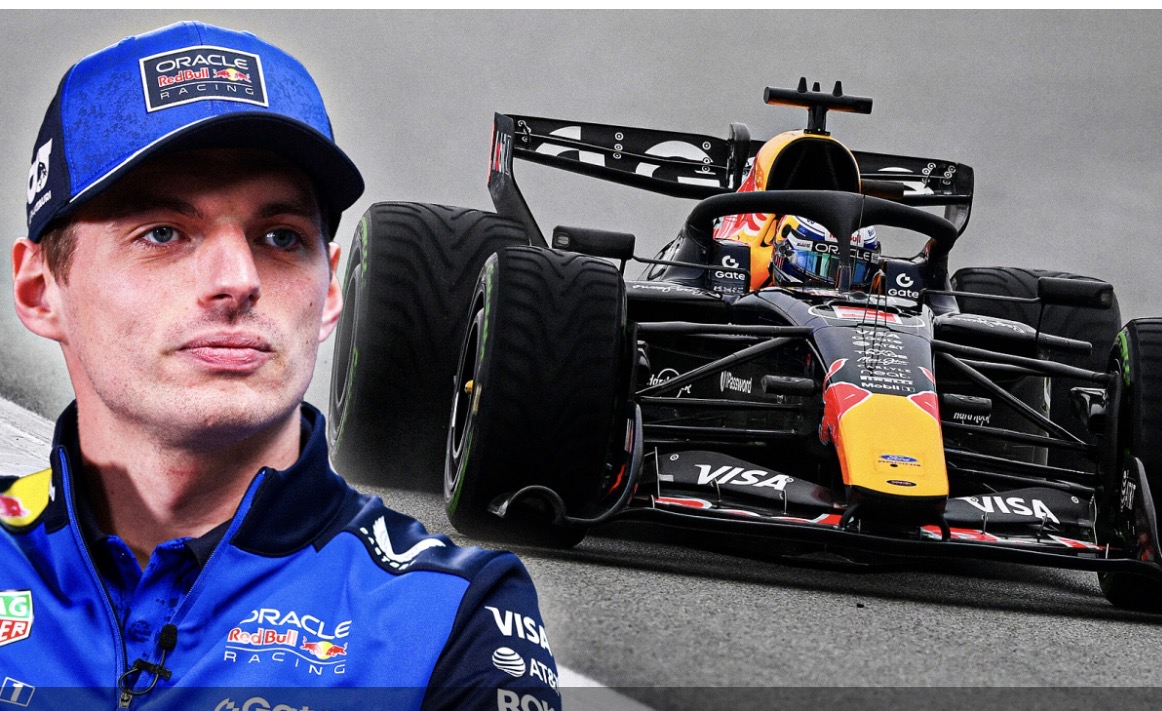
With one race remaining in the season — the upcoming finale in Abu Dhabi — the championship battle between Max Verstappen, Lando Norris, and other contenders looms large. The overtake at Qatar significantly changed the dynamics of that fight: Norris now heads into the finale with a stronger advantage.
Meanwhile, the reputational and emotional fallout for Antonelli and Mercedes continues. The team’s action with FIA may take time, but it sends a strong message that abuse — even behind the safety of a screen — will not be tolerated. Fans, pundits, and other stakeholders will no doubt be watching closely.
In the coming days, there may be further statements from FIA, possibly from anti-abuse or disciplinary committees. Reporting around how many of these threats are genuine (versus trolling) could emerge. There may also be broader reactions — from peer drivers, other teams — condemning the abuse and calling for more respect and civility in the sport.
The episode may go down in history as one of those moments that forced Formula 1 — and perhaps other sports — to reckon with the darker side of social media stardom. For now, what is clear is that Mercedes has chosen to push back: not just defend their driver, but challenge the culture that allowed such abuse to escalate so quickly.