Why the Issue Matters
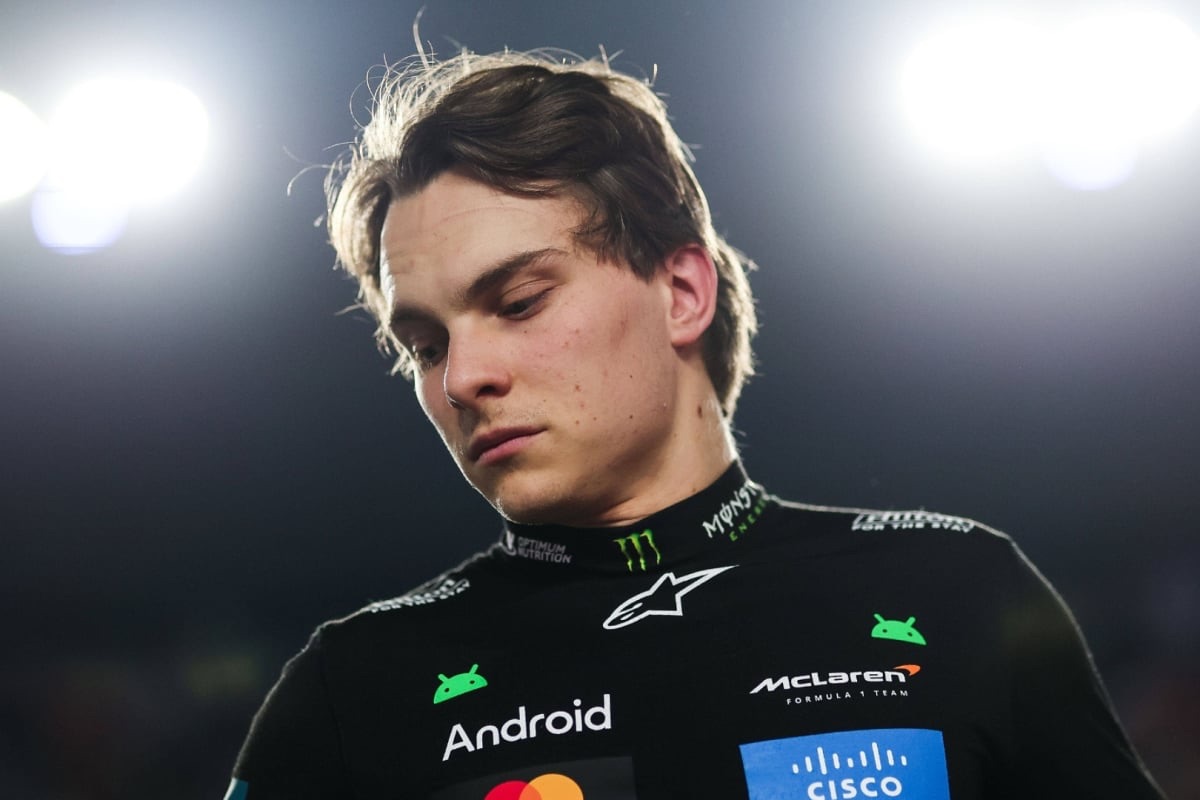
As the 2025 season comes to a close with the Abu Dhabi Grand Prix, Piastri finds himself deeply embroiled in a dramatic championship fight alongside his McLaren teammate Lando Norris — and against Max Verstappen of Red Bull Racing. After a disappointing result in Qatar, Piastri dropped to third in the championship standings, trailing Norris by 16 points and Verstappen by 4.

With multiple drivers still mathematically capable of winning the title, the prospect of “team orders” — instructions from McLaren to prioritize one driver over another — has reemerged as a big talking point.
What McLaren Said: Team Orders Are on the Table
Although earlier in the week McLaren claimed they weren’t planning to interfere, their stance has since hardened. The team’s CEO, Zak Brown, told reporters that if the race unfolds in a way that strongly favors one driver’s title chance over the other, McLaren would “do whatever we can” to secure the championship. In his words: “If we get into the race and it’s becoming pretty clear that one has a chance and the other doesn’t, we’re going to do what we can to win the drivers’ championship. It would be crazy not to.”
That remark implicitly acknowledges that under certain end-of-race scenarios, the team might request Piastri to let Norris pass — especially if it boosts Norris’s chance of beating Verstappen to the title.
Who Opposes Team Orders — and Why
Not everyone agrees with that approach, though. A prominent voice comes from George Russell (from Mercedes), who publicly urged Piastri to disregard any such team orders. Russell called the idea of asking a driver who is still championship-eligible to surrender position “not acceptable or reasonable.”
He argued that from a racer’s standpoint — especially with both drivers in title contention — being asked to sacrifice your own shot at the championship would compromise sporting integrity. He even joked that Piastri should simply “unplug the radio” if orders came through.
From a historical perspective, Russell pointed out that in the long run — a few years down the line — few would care about who passed whom to win the championship. What matters, for him, is earning it on merit — rather than relying on directives from race control or the pit wall.
What the Drivers Themselves Are Saying
As for the drivers inside McLaren: publicly, their words have painted a more complex and cautious picture.
Norris has admitted that he personally would appreciate team orders if it helped him win the championship — but he insisted he does not intend to ask the team to enforce them. Instead, he’s left that decision to Piastri and the team. Piastri, for his part, has been non-committal. He said he doesn’t yet know what he’ll do if the team asks him to let Norris past. He’s waiting to hear what will be “expected.” Both drivers, at earlier points this season, have emphasized that the team comes first. They’ve talked about valuing the people behind the car — the mechanics, the pit-crew — and maintaining fairness. That said, those comments were made before this late-season showdown.
What’s at Stake — and Why It’s So Tricky
This isn’t just another Grand Prix. The dynamics make it a high-stakes, emotionally charged decision that could define careers:
Championship glory vs. sporting integrity. If Piastri lets Norris pass, McLaren could well win the drivers’ title this season. But can such a victory feel fully earned, especially if it’s decided by a radio message rather than a wheel-to-wheel overtake? On the flip side: if Piastri races for himself, he could potentially deny Verstappen the title — but risk damaging team unity or his standing inside McLaren. Reputation and legacy. Many fans and fellow drivers believe that championships should be decided on the track — not via team strategy. As Russell pointed out, history often remembers how drivers won. Years from now, being “that guy who let his teammate win” might not look good. Team cohesion and future contracts. Piastri’s decision could influence how he is perceived within McLaren’s garage. Cooperating might please team leadership — but refusing could label him as selfish or disloyal, and that could have longer-term consequences. Unpredictability of racing. Even if McLaren wants to impose team orders, many things can happen during a race — crashes, mechanical failures, safety cars. What seems like a clear-cut scenario now may look completely different by lap 55.
What to Watch for at Abu Dhabi
Going into the grand prix, here are the key variables that could influence whether team orders come into play — and if Piastri will comply:
Race order during final laps. If Verstappen is leading and Piastri sits ahead of Norris — with Norris close behind — McLaren might radio Piastri to let Norris through to fight Verstappen for the title. How the drivers respond under pressure. Norris has already said he wouldn’t ask — but if team orders come, it falls on Piastri (and the team) to decide. Will Piastri listen to the radio, or tune it out? As Russell suggested, a lot depends on mindset. Reactions beyond McLaren. Voices like Russell’s — from outside teams and drivers — and broader fan sentiment may influence how this plays out. If backlash is heavy, McLaren might hesitate to force orders. McLaren’s internal stance. Ultimately, the decision will rest with team leadership. If they decide that a title — even via team orders — is worth more than optics, they may push for compliance.
Why Some Think Piastri Should Ignore Orders
The argument to ignore orders isn’t just based on emotion or “driving for the fans.” It reflects deep beliefs about what racing is meant to be:
Sporting integrity. Many feel that with all three drivers still with a shot at the title, it wouldn’t be fair for a team directive to decide the outcome. Laps on track should. Long-term legacy. A championship won only because someone gave it to you doesn’t carry the same weight. In the long run, such victories can feel hollow. Respect for competition. Drivers who outperform their rivals earn their place; giving a title via orders could undermine respect for the winner. Team loyalty and self-respect. By ignoring orders, Piastri could show that he values racing — and his own ambitions — over pleasing the pit wall. That could earn him respect, even if not a trophy.
As a voice from reddit put it:
“If he’s P3 I think he will [let Lando pass]. He likes Lando well enough and … he’s not going to punish Lando for it.”
But others warned that doing so might again label him as “betrayed” by the team, or risk future opportunities.
Why It Matters — for F1 and Fans
This moment is important not only for McLaren or the drivers, but for how the sport is perceived more broadly:
It revives debates around team orders and fairness. Many fans dislike the idea of championships being “gifted” via strategy. How this plays out could influence how teams and the governing body handle similar situations in the future. It tests driver loyalty vs. ambition. Can a driver who aspires to be world champion sacrifice that dream for team glory? Or is such a sacrifice unrealistic in modern F1? It could shape relationships inside the garage. How Piastri responds may influence team morale, trust, and dynamics — all of which ripple into 2026 and beyond. It reminds everyone how unpredictable — and political — F1 still is. Talent alone doesn’t always win championships. Strategy, timing — and sometimes, team orders — can play a huge part.
Conclusion: A Moment of Truth for Piastri
With the Abu Dhabi Grand Prix looming, Piastri is at a crossroads. On one side is a chance to win the world title — the greatest prize in motorsport — if he races on merit. On the other is team orders that insist he sacrifice that opportunity in favor of his teammate.
The recent shift in McLaren’s public stance — from denying to embracing the possibility of team orders — adds pressure. Meanwhile, respected figures like Russell urge Piastri to ignore such orders and fight for his own title. The drivers themselves are staying vague, waiting for the team’s direction.
In many ways, this is one of those rare moments where sportsmanship, ambition, loyalty, and strategy collide. And in the high-speed, high-pressure world of F1, the decision could define not just the 2025 championship — but the future reputations of those involved.
Whether Piastri yields to the team or chooses to fight — it won’t just be about one race. It will be about what kind of champion, and what kind of team, they want to be.