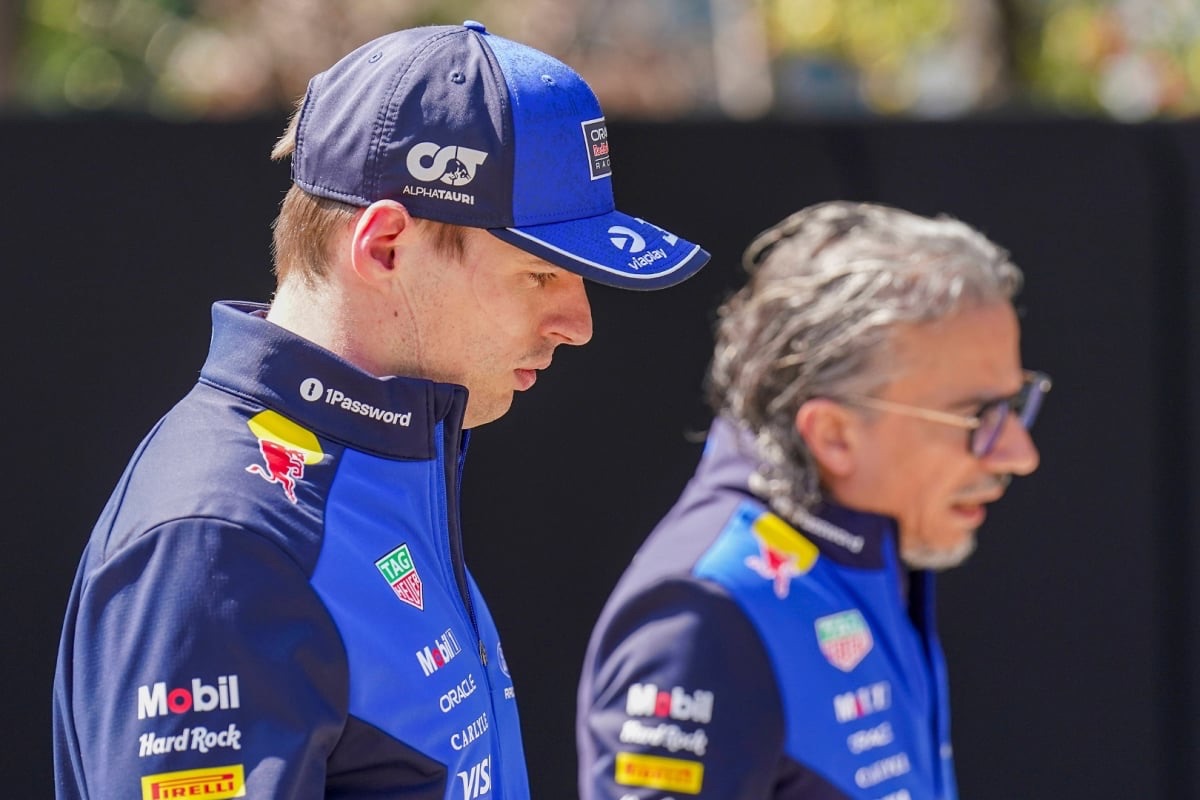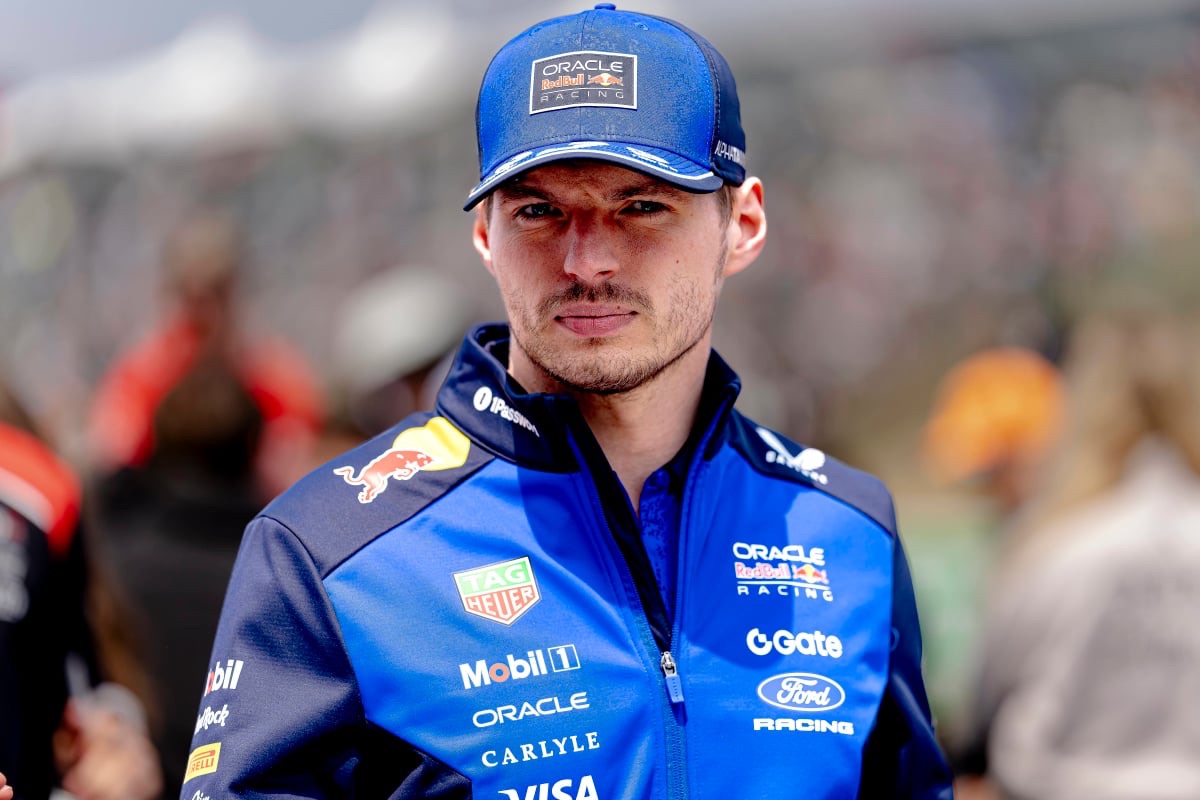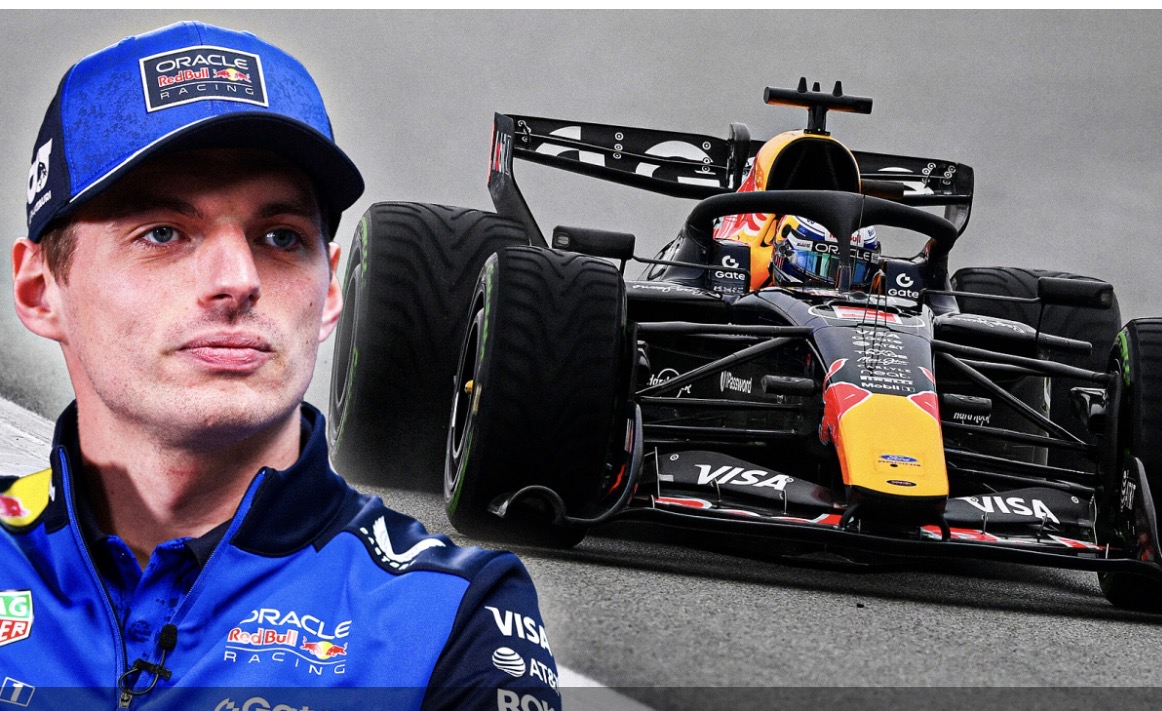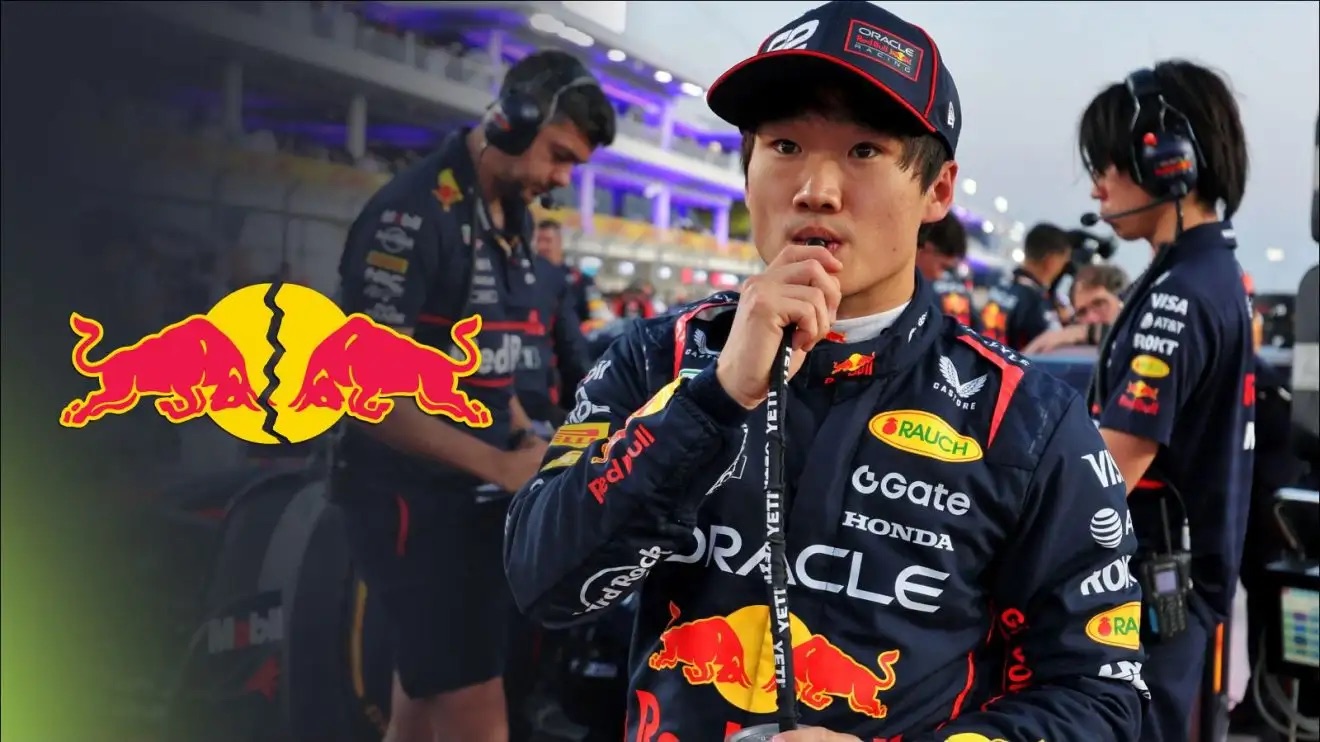
The decision by Red Bull to remove Yuki Tsunoda from its main Formula 1 roster for 2026 has drawn criticism and sympathy among fans — but many inside the paddock believe the move was justified. After months of speculation and internal trials, Red Bull finalized its driver lineup for the 2026 season: a promotion for Isack Hadjar, retention of Liam Lawson at the junior outfit Racing Bulls, and Tsunoda’s exit from a regular race seat.
Why Tsunoda was judged not good enough
One of the main arguments against Tsunoda comes from the belief that Red Bull doesn’t accept “mediocre.” As columnist Mat Coch puts it, Red Bull aims to build world champions — anything less is considered a failure. Tsunoda, while objectively competent enough to race in F1, has never shown signs that he could be a future world champion. After five seasons, he remains a known quantity — what he is, is what he’ll always be. For Red Bull, that isn’t enough. The program doesn’t simply want good drivers. It demands greatness.
In contrast, younger drivers — namely Lawson and the incoming Arvid Lindblad at Racing Bulls — represent an unknown. Their potential remains untested. The logic goes that if you’ve already seen how far a driver can go (as with Tsunoda), and the ceiling doesn’t look promising, then investing time in someone new whose ceiling could be higher makes sense. Retaining Lawson gives the junior team more stability, while Lindblad benefits from the company of a (somewhat) experienced teammate.
Meanwhile, for Hadjar, the upgrade is a reward for strong rookie form — but also the beginning of a much harder challenge. Being teammate to Max Verstappen at Red Bull isn’t about trying to outdo him — it might well be about survival. The car, team infrastructure, and pressure all centre around Verstappen, widely regarded as one of the greatest talents F1 has seen. For Hadjar, even delivering consistent performances rather than outright wins could be considered a success, just to get through the season intact.
The case for fresh blood after what the article calls a “Tsunoda flop”
Another perspective from pundit Thomas Maher describes Tsunoda’s promotion to Red Bull as a “monumental flop.” The 2025 car, the RB21, while not without quirks, was nonetheless capable: Verstappen used it to fight for wins and the championship. Yet Tsunoda, across nearly a full season, managed only 30 points — an unimpressive tally given the machinery.
If one of F1’s top teams hands you a competitive car and you can’t deliver regularly, especially compared to drivers in supposedly lesser machinery (like Lawson and Hadjar at Racing Bulls), it becomes hard to justify keeping you on. Tsunoda simply failed to adapt to the RB21’s characteristics, and after three years of waiting at the junior level plus two years on the main roster, he didn’t show improvement. In that light, replacing him with fresh talent makes sense.
For Racing Bulls, Lawson remains because, while he had a difficult start to the year, he showed enough mid-season growth to warrant another season of development. For Lindblad, the addition represents a chance to bed in among more experienced company, with the hope that he fulfills the potential many see in him from his junior-category results.
Some sympathy for Tsunoda — but results matter
Not all opinions in the article are harsh. A recurring theme across several commentaries is that perhaps Tsunoda deserved more time. After all, he’s been in the Red Bull program since 2021, backed by Honda, developed through the junior ranks to the big stage. It isn’t unreasonable to argue that F1 drivers need time — mistakes, crashes, rough seasons: all are part of learning.
But by 2025 — his fifth year associated with Red Bull — Tsunoda had exhausted the grace period. Former Red Bull-junior officials have often spoken of a minimum of three seasons to prove oneself; Tsunoda had two more. Despite that, he failed to make a lasting impression. Worse still, compared to his predecessor teammates, his results were poor: the disparity between his performance and Verstappen’s was stark. One driver finishing around P15, the other winning multiple grands prix. 33 points vs nearly 400. That isn’t a quirk. That’s a consistent gulf in performance.
Thus, even though the decision may feel cruel, perhaps even unfair to a likeable and hard-working driver like Tsunoda — sentiment rarely wins in F1. The sport demands performance above all else. In that light, his removal feels inevitable and justifiable.
Timing and opportunity for Hadjar and Racing Bulls
Taking a broader view, the decision makes strategic sense for Red Bull, especially with the sport entering a new era. Next season will come with new cars and new engines, which substantially reshuffles competitive dynamics. In such a reset, having a driver like Hadjar — youthful, hungry, and showing glimpses of speed — might pay off better than banking on a veteran of questionable ceiling. The “it’s the car’s fault” excuse will carry less weight when all drivers start from a relatively level playing field.
Hadjar, who showed emotional vulnerability earlier in the season after a tough race weekend in Australia, has since demonstrated mental resilience. If he can harness that resolve, keep consistent, and avoid the psychological pressure of being Reinforced’s teammate, he may well carve out a respectable career.
Meanwhile, at Racing Bulls, the pairing of a more seasoned young driver (Lawson) and a raw but promising newcomer (Lindblad) seems well-balanced. The team’s fundamental role as a feeder — a testing ground for talent — becomes clear. It’s less about immediate results, more about long–term development. Lindblad gets the runway to refine raw pace; Lawson gets stability and a second shot to grow within the structure.
Conclusion: Harsh, maybe. But logical.
So, was Red Bull right to drop Tsunoda? According to the writers at PlanetF1, yes. The decision may be cold — F1 rarely does kindness. Tsunoda had his chances, and while many may hold some sympathy for him, Formula 1 is not a sentimental sport. A driver seat at a team of Red Bull’s calibre isn’t a reward for effort or likability — it’s a license to deliver. Tsunoda’s five years with the programme, and two seasons on the big team, simply failed to show enough signs that he could climb much higher.
Promoting Hadjar, giving Lawson another year of growth, and handing Lindblad a spot at Racing Bulls may not guarantee future championships — but it aligns squarely with what Red Bull sees as their path forward: build up youthful potential, gamble strategically, and push relentlessly for excellence. In that sense, maybe it wasn’t just a good call — maybe it was the only reasonable call.