BARCELONA, Spain — (January 28, 2026) — Oracle Red Bull Racing finds itself at a critical crossroads in its 2026 Formula 1 preseason preparation after rookie driver Isack Hadjar suffered a significant crash at the Circuit de Barcelona-Catalunya this week, raising questions about whether the team will be able to run again during the current Barcelona test session.
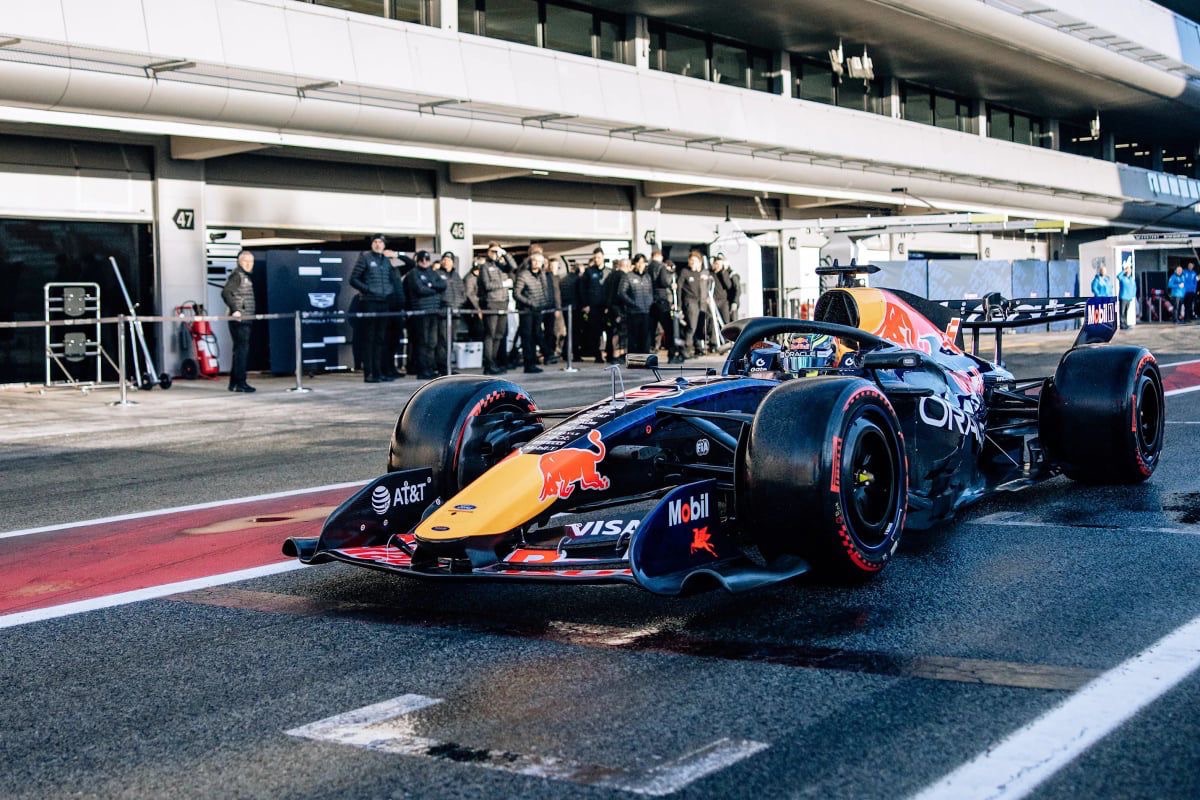
The incident occurred on Tuesday, the second day of a five-day closed pre-season testing shakedown, where only select teams are participating behind closed doors ahead of the upcoming season’s official start in March. Red Bull, one of the sport’s most successful outfits in recent years, had planned to complete three of the available five days of running — a crucial opportunity to gather data on its new RB22 chassis and the team’s first in-house power unit under the 2026 technical regulations.
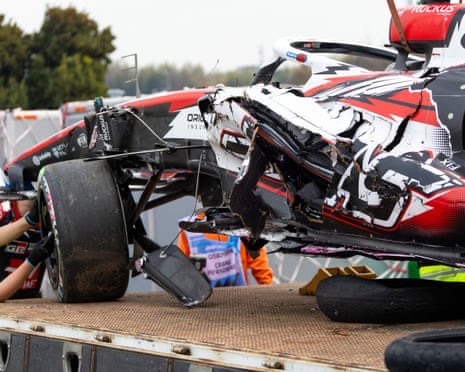
However, an unexpected crash involving 21-year-old French driver Isack Hadjar late on Tuesday has thrown those plans into doubt. According to multiple reports, Hadjar lost control of the car in wet conditions at the final corner of the circuit, spinning backwards into the barriers and causing damage to the rear end of the car.
Crash Sparks Testing Dilemma
The crash brought an abrupt end to Red Bull’s second day of running, forcing the mechanics to immediately begin assessing the damage rather than continue development and data collection. Initial reports indicate the car sustained notable damage to suspension components and the rear bodywork, raising concerns about how long repairs will take and whether the team has enough spare parts on hand.
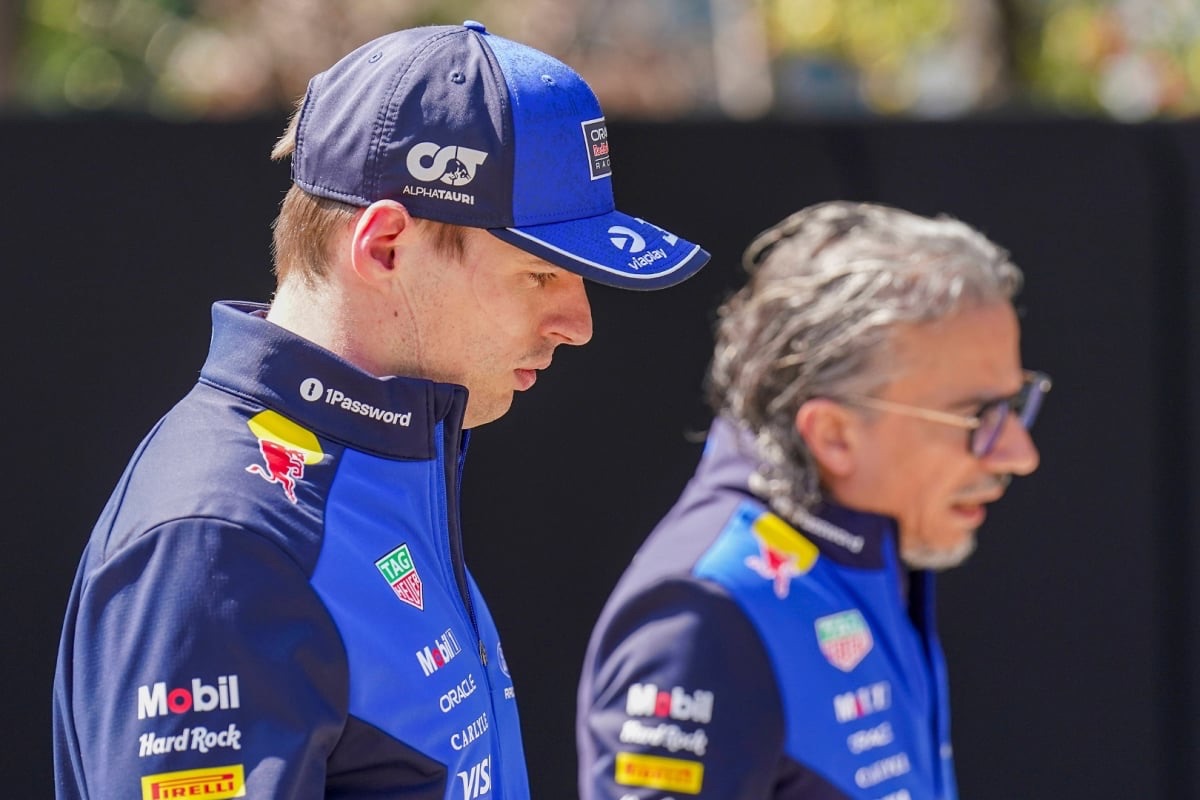
Team principal Laurent Mekies described the crash as “very unfortunate” and emphasized that the priority was confirming Hadjar was unhurt and then evaluating the extent of the damage. Mekies noted that his engineers would need several hours to assess whether they can repair the RB22 in time to return to the track later in the week.
“We must analyse this very carefully,” Mekies said, acknowledging that Red Bull has already used two of its three allocated test days and now must decide how to handle the remaining schedule with only one day left.
Will Red Bull Run Again This Week?
Reports from RacingNews365 suggest that Red Bull has decided not to field the car on Wednesday as originally planned, opting instead to focus on repairs and recovery. This decision — while cautious — raises the possibility that the team might not run again in Barcelona until Friday, or potentially skip the final day entirely if the repairs take longer than expected.
Such a move would be highly unusual, given how vital preseason testing is for teams under the new regulations. Normally, a team hitting its allocated test days would be keen to maximize its track time to refine aerodynamics, brake cooling, power unit performance, and reliability. But the complexity and novelty of the 2026 technical package have increased the cost of losing even short periods of running.
Sources close to the team have indicated that Red Bull is “unsure when it can run again” following the crash, a testament to the scale of the repairs and the difficulties involved with a new car that has limited spare parts available at this early stage of the season.
Strategic and Technical Implications
The situation is complicated further by the fact that each team in this closed test can only run on three of five days, and Red Bull has already opted for the first two. If the damage cannot be repaired in time, it could mean Red Bull effectively loses its final Barcelona track slot — a serious setback that could ripple into the rest of the preseason and even into the season opener.
This is particularly significant as Formula 1 enters a new era of power unit and aerodynamic regulations. These changes mean teams are in a race not only against their competitors but also against time to understand how these systems interact on track. Preseason mileage — especially in a controlled environment like Barcelona — provides invaluable early data that can expose weaknesses in reliability and performance long before the first race.
While Red Bull has been a dominant force in recent seasons, this incident highlights how even the most successful teams are vulnerable during periods of transition. A failure to complete all planned testing could leave the team with a knowledge gap compared to rivals such as Ferrari, Mercedes, and McLaren — all keen to hit the ground running in the new engine era.
Driver and Team Reactions
Despite the setback, members of the Red Bull stable are maintaining a sense of perspective. Hadjar, the team’s newest driver, was reported to be unharmed after the crash, and Mekies stressed that driver safety is paramount. Reports suggest that Hadjar had completed a strong day’s work before the incident and that his feedback had already delivered valuable data to the engineers.
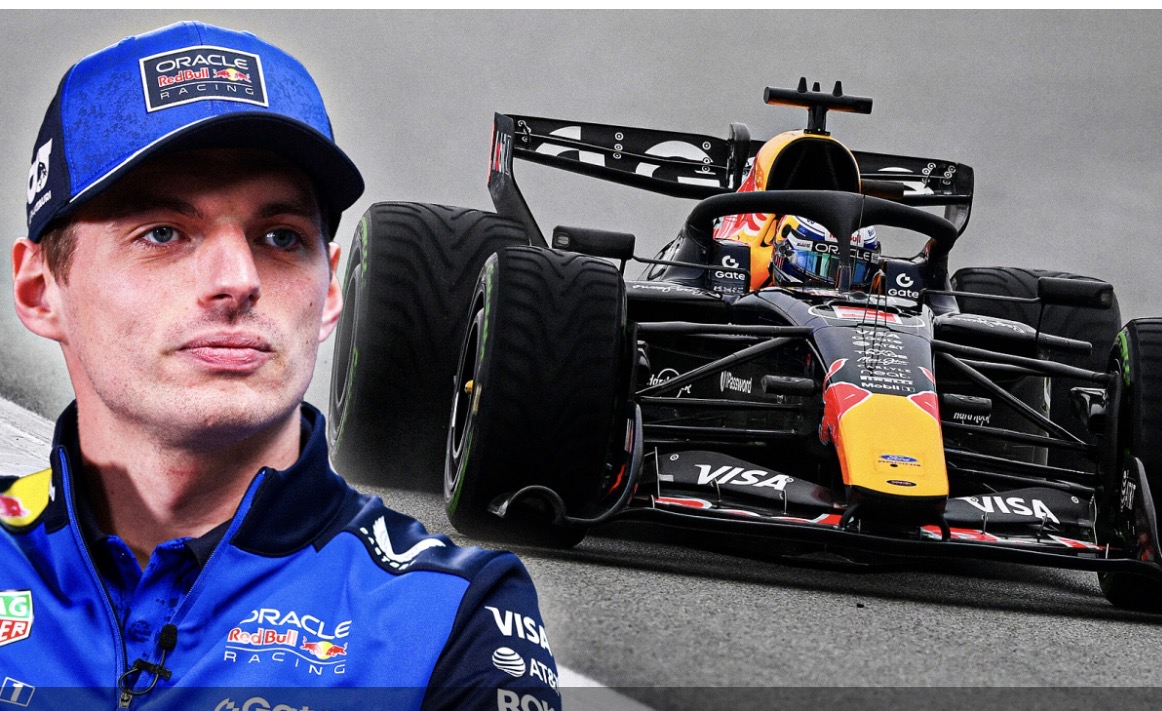
Max Verstappen, Red Bull’s lead driver and multiple-time world champion, also had a limited outing on Tuesday morning due to the weather, completing a series of laps before the rain became too intense. Verstappen’s feedback in those conditions is seen as valuable despite the truncated programme and may help the team prepare for the next phase of testing.
Looking Ahead
As Red Bull continues to study the damage and work on repairs, questions remain about when — or even if — the team will return to the track in Barcelona. If the team decides to forgo its final scheduled day, it will need to rely on the official preseason tests in Bahrain next month to make up for lost time. How well Red Bull adapts to this situation may prove crucial as the season unfolds.
The early incident also serves as a reminder that in motorsport, variables such as weather, technical complexity, and unforeseen events can dramatically alter even the most meticulously planned programmes.
For now, the motorsport world watches closely as Red Bull assesses the wreckage of its RB22 — and whether that damage will force it to miss the remainder of its test schedule altogether.