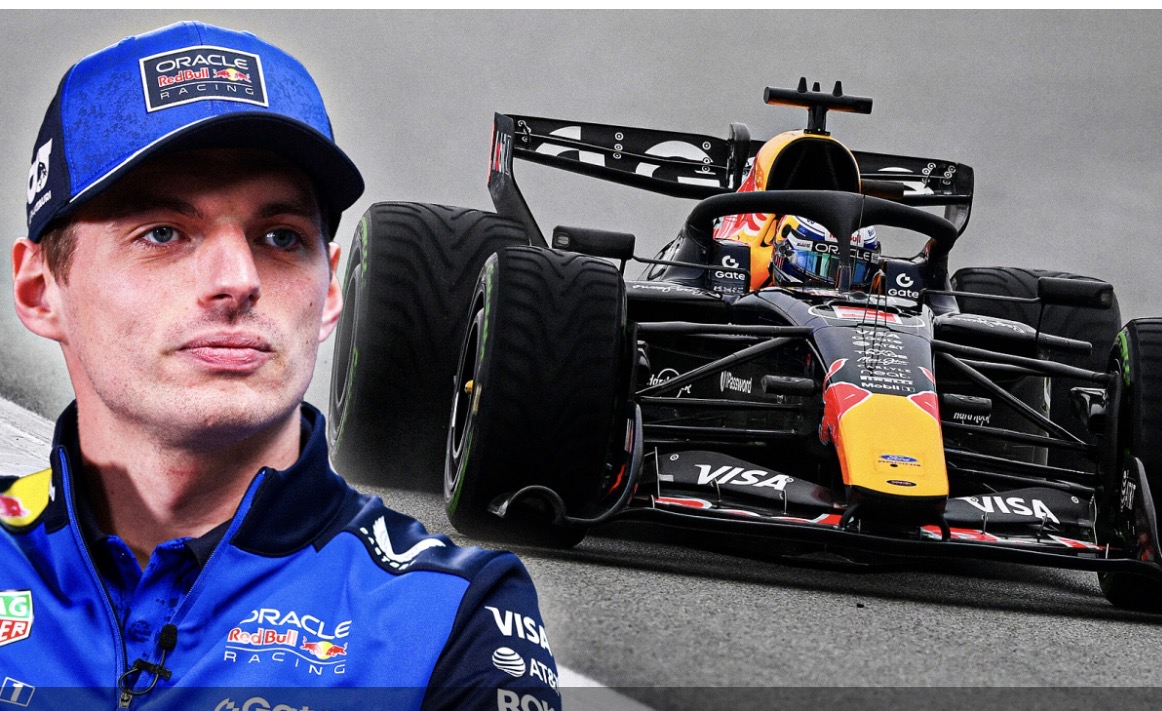

In Formula 1, controversies and technical battles often emerge long before cars even begin racing, and the latest off-season headlines are no different. Recently, two of the sport’s most dominant and influential teams — Oracle Red Bull Racing and Mercedes-AMG Petronas Formula One Team — have found themselves the focus of early scrutiny from motorsport’s governing authority, the Fédération Internationale de l’Automobile (FIA). Rather than relating to on-track incidents, this latest situation centers on the technical regulations governing engine design and performance for the upcoming 2026 season, which signals a new power unit era for Formula 1.
As the sport transitions into the next generation of machinery, one of the most substantial regulatory changes concerns the internal combustion engine’s compression ratio — a fundamental parameter in engine performance that impacts combustion efficiency and power delivery. Under the revised technical framework agreed upon by teams and regulators, the maximum permitted compression ratio has been lowered from 18.0:1 to 16.0:1, reflecting Formula 1’s broader strategic push toward hybrid performance and environmental goals. The intention behind this reduction is to limit peak engine performance while encouraging advancements in hybrid systems and electrical energy deployment, aligning with the sport’s evolving technological priorities.
While regulations may appear straightforward on paper, their real-world interpretation often involves intense engineering analysis and strategic maneuvering. Ahead of any official competitive running, concerns have arisen among rival manufacturers about potential loopholes or grey areas in how compression ratios are measured and enforced. Specifically, several teams — notably Ferrari, Audi and Honda — have reportedly raised formal technical queries with the FIA, questioning whether it is possible for a power unit to comply with static, pre-event compression ratio checks while effectively exceeding the intended limits once the engine reaches operating temperature under race conditions.
The core of these suspicions lies in how engineering materials behave as temperatures rise during regular engine operation. Some compounds expand or change shape slightly when heated, which can alter the effective volume within the combustion chamber and therefore the actual compression ratio. Under the current static testing methods, engines are checked at ambient temperature before they ever hit the track, meaning the measured figures could be compliant even if they change once the engine cycles through its normal heat range on a race weekend. This potential discrepancy has become the focus of technical debate, with critics arguing that such an interpretation would undermine the spirit of the rules — which stipulate that cars must remain within regulatory constraints throughout all phases of competition — and could give any team that finds such a solution an undue competitive advantage.
In this emerging scenario, both Mercedes and Red Bull have been mentioned as manufacturers possibly at the center of these engineering interpretations or innovations. It’s important to note that no formal violation has yet been established, and the FIA’s role so far has been to facilitate discussions and seek clarification rather than to levy penalties or declare wrongdoing. The governing body has publicly acknowledged that compression ratio interpretation is an active topic within technical working groups composed of all power unit manufacturers. A spokesperson for the FIA confirmed that this dialogue is ongoing, and that regular regulatory reviews are part of ensuring a level playing field.
This early off-season focus underscores how intensely competitive and closely scrutinized Formula 1’s technical regulations have become, particularly with a new engine formula on the horizon. Historically, disputes over technical compliance and interpretation are not new in Formula 1 — teams frequently push the boundaries of what the rules allow. However, the timing and complexity of this latest issue illustrate how even before cars hit the circuit, a combination of high-stakes engineering and regulatory oversight can lead to tension and investigation.
The implication of these concerns extends beyond technical housekeeping and into the broader championship narrative. Both teams have storied histories with the FIA over interpretation battles. For example, Red Bull was previously found in breach of the 2021 cost cap regulations, resulting in a fine and testing sanctions, although that breach was classified as procedural and not as a deliberate attempt to gain a sporting advantage. Similarly, Mercedes has been involved in its own regulatory discussions over the years, whether related to aerodynamic interpretations or sporting compliance during Grand Prix weekends.
What makes the current situation particularly intriguing is that it arises not from race performance data or competitive results, but from predictive concerns over potential interpretation once the new regulations are active. If rival teams believe others have found a way to exploit a rule’s technical translation, they naturally turn to the FIA to intervene or clarify before the competitive season begins. In this sense, the investigation — or ongoing regulatory dialogue — acts as a pre-emptive measure to avoid escalation once teams are actually on track.
The FIA has emphasized that, under the existing rulebook, the methods for measuring compression ratio remain unchanged, with all checks defined to occur under static, ambient conditions. While this does not eliminate the concerns raised, it does provide a current regulatory baseline that engineers and team strategists must work within. The question now shifts to whether additional safeguards or measurement procedures — perhaps involving dynamic or elevated-temperature checks — might be required to ensure compliance throughout all operating conditions.
Beyond the technical specifics, this episode highlights some of the broader themes inherent in elite motorsport: the continuous push for innovation, the razor-thin margins separating legal ingenuity from regulatory breach, and the critical role of governing bodies in ensuring fair competition. As the countdown to the first 2026 engine tests continues, the compression ratio debate already serves as an early reminder of how deeply Formula 1’s next era will be defined by both engineering excellence and clarity in rule enforcement.
Ultimately, while neither Red Bull nor Mercedes has been formally charged with a breach at this stage, their mention in connection with ongoing FIA technical inquiries reflects the intense level of scrutiny their engineering departments face. With the sport’s regulatory landscape evolving and competitor teams eager to protect their own interests, this off-season investigation could shape how the new power unit regulations are interpreted and enforced well into the 2026 season and beyond.