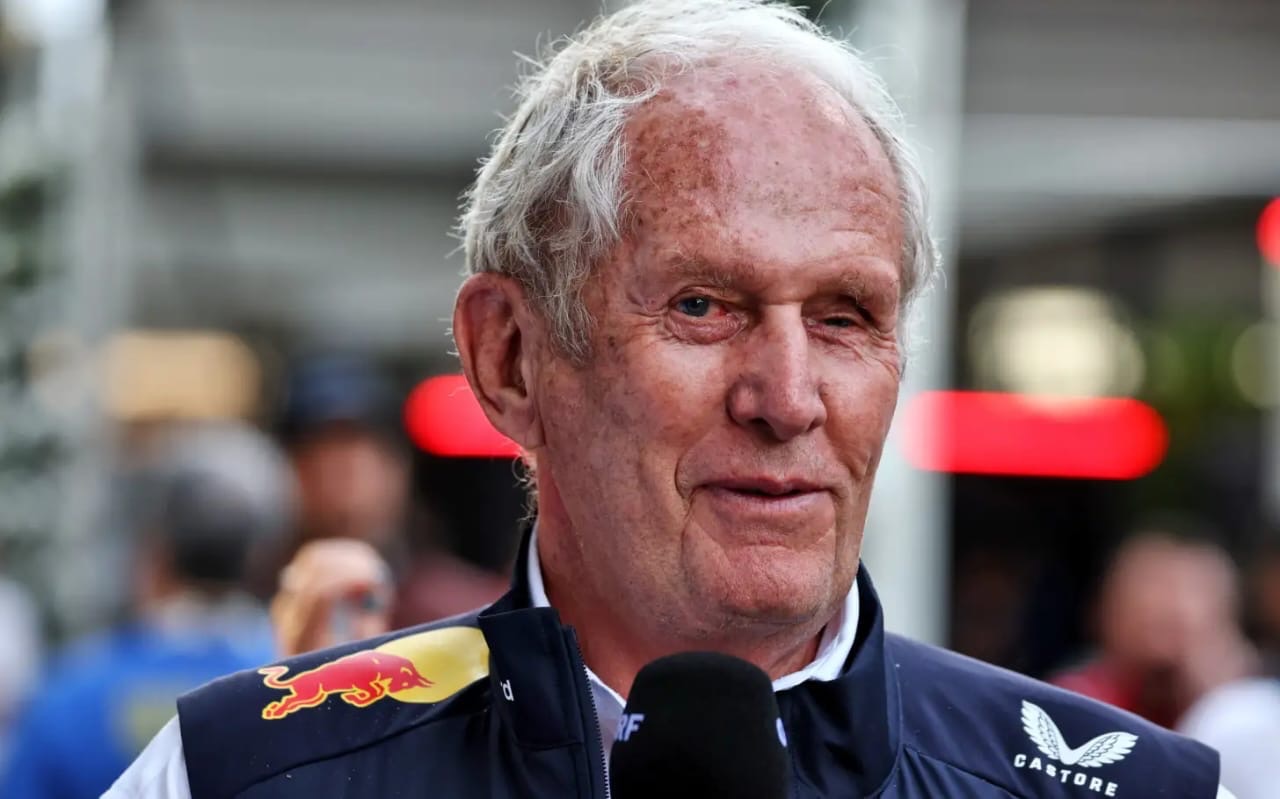
For the first time in decades, the long-time inner circle of Red Bull Racing may be breaking up. According to recent reports, Helmut Marko — the veteran Austrian who has served as a senior adviser to the team for more than 20 years — is preparing to leave the Formula 1 outfit at the end of this year. The move, if confirmed, would mark the end of one of the most influential eras in Red Bull’s motorsport history.

A Massive Shake-Up: Timings and Context
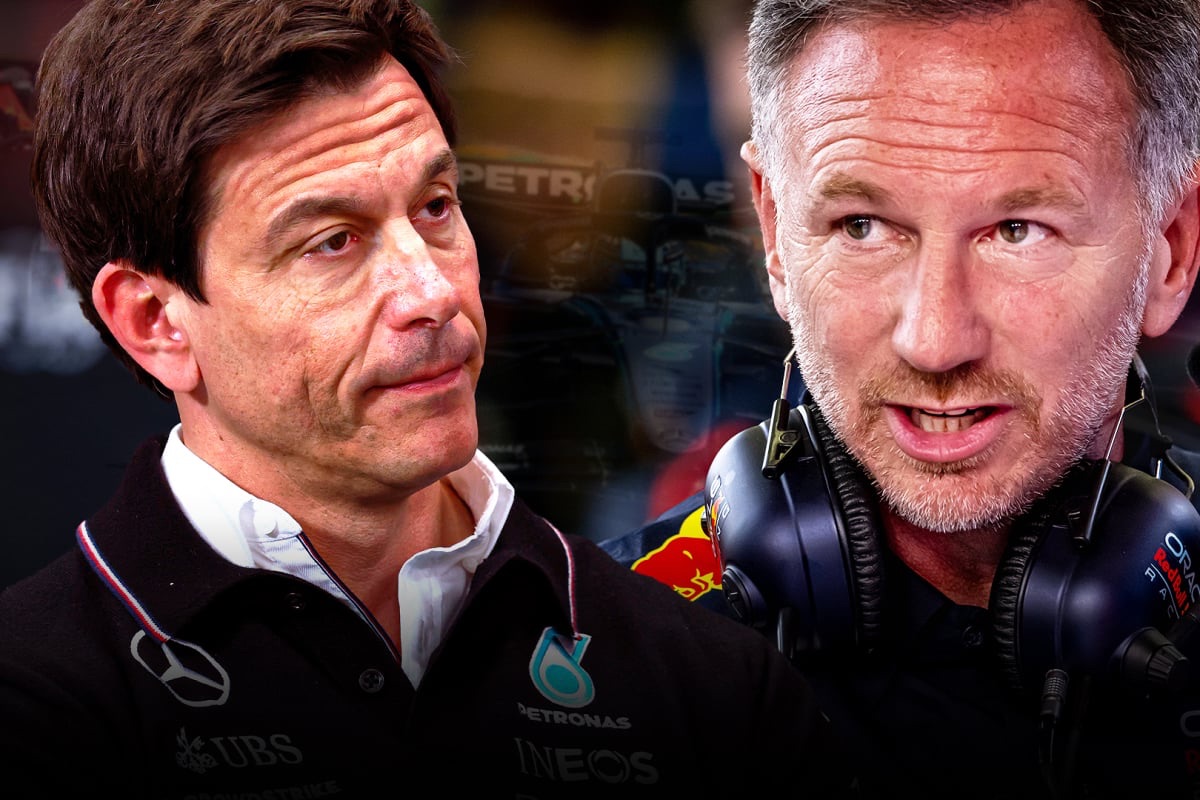
Marko’s potential exit comes at a moment of major upheaval at Red Bull. Just months earlier, the team had already parted ways with long-time team principal Christian Horner. Together, Horner and Marko had shaped Red Bull’s identity for almost two decades.
In 2025, during the final weekend of the season at the Abu Dhabi Grand Prix, Marko was asked about his future. Unlike his usual confident public stance, this time he sounded uncertain. He said that he and the team would discuss the matter, signalling that something might be changing.
The following day, after what were described as “intensive talks” with top Red Bull executives — including sporting CEO Oliver Mintzlaff — the decision was reportedly made: Marko would step down from his role as motorsport advisor at the end of 2025.
Notably, this comes despite Marko having had a contract that extended into 2026 — which suggests his exit is based on his own decision rather than an automatic contract expiration.
Marko’s Legacy: Two Decades of Shaping Red Bull
Marko’s role at Red Bull went far beyond what his official title — “advisor” — might suggest. For many years, he effectively acted as the gatekeeper of talent, making critical decisions about which young drivers would be promoted to F1 and which would be left behind.
Under his stewardship, Red Bull’s junior-driver development programme blossomed into one of the most successful in motorsport. He oversaw the progression of around 20 drivers into Formula 1 — among them household names like Sebastian Vettel and Max Verstappen — many of whom went on to win world championships.
Across his tenure, Red Bull secured six Constructors’ titles and eight Drivers’ Championships, cementing its place as a powerhouse in the sport. Marko’s influence on driver selection, team culture, and strategic direction was central to that success.
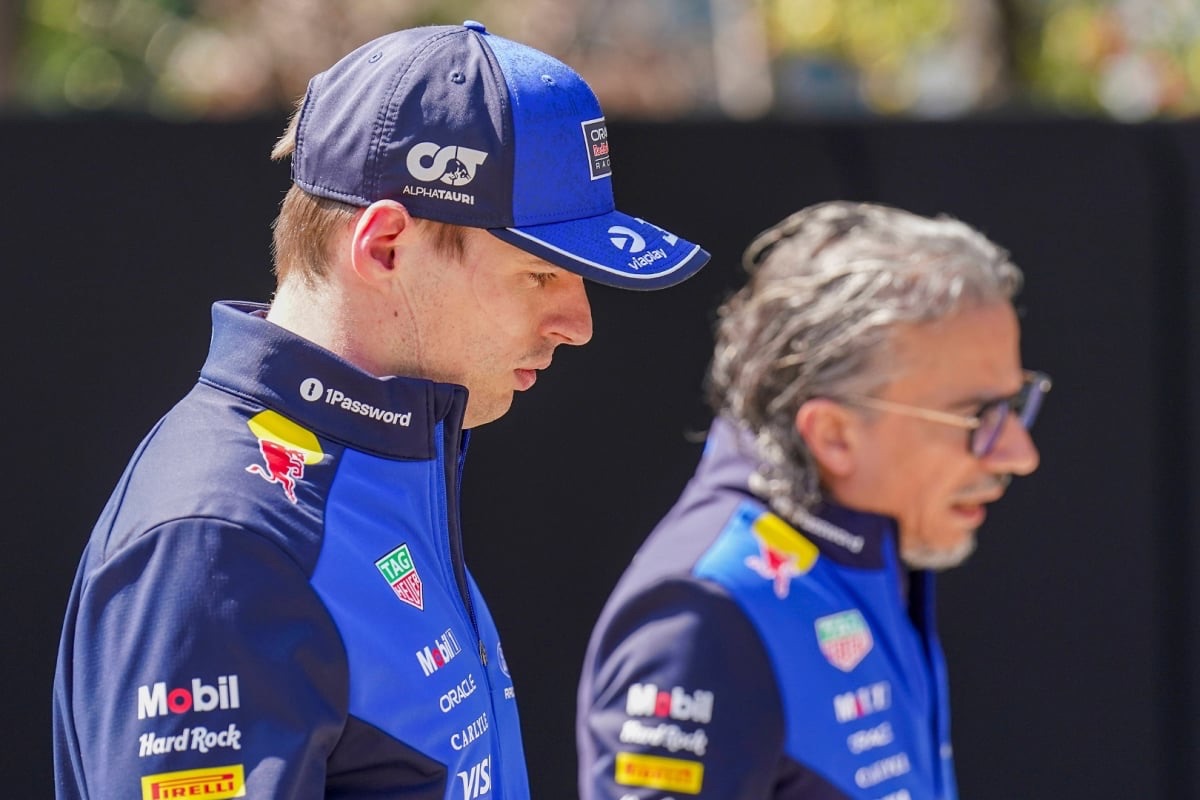
Even internally, his departure was described as the end of a remarkable chapter. In comments praising Marko, Red Bull’s current team principal Laurent Mekies acknowledged how deeply ingrained he was within the team and how much his guidance had shaped Red Bull’s path — especially through challenging periods.
The Reason: Why Now?
According to statements from Marko himself, the decisive factor for stepping down appears to be a deeply personal and reflective one. He said that narrowly missing out on a world championship this season had “moved him deeply,” convincing him that now — after decades of intense work — was the right time to close this significant chapter in his life.
That said, observers point to broader factors at play, which likely contributed to the timing: Red Bull’s internal shake-ups, shifting management dynamics since Horner’s departure, and the context of upcoming regulatory and organisational changes for the team (including a transition in engines for 2026). Many see Marko’s exit as part of a broader restructuring at Red Bull, rather than an isolated event.
Although his contract extended into 2026, Marko’s announcement underlines that this was a personal decision, influenced by a combination of factors — emotional, strategic, and perhaps a recognition that the next chapter of Red Bull will belong to a new generation.
Implications: What Marko’s Exit Means for Red Bull — and F1
If this transition goes ahead, multiple immediate and long-term consequences follow:
End of an era: Marko’s exit — especially following Horner’s departure — closes the chapter on the founders of Red Bull’s dominance era in F1. Leadership that spanned nearly two decades is now being replaced, shifting the culture and decision-making style of the team. Driver development in flux: As the architect of the junior programme, Marko’s absence raises questions about the future of talent scouting and development at Red Bull. With no clear successor yet, the efficiency of promoting young talents might be affected, and the criteria for driver selection may shift. Impact on team identity and cohesion: Much of Red Bull’s identity has been wrapped up in the hard-edged, uncompromising personality of Marko — someone who demanded results and was not afraid to make tough calls. Without him, the team may adopt a different — perhaps more corporate or less personality-driven — style. Uncertainty for star drivers: For some, especially for long-standing Red Bull driver Max Verstappen, Marko’s exit could affect loyalty or long-term plans at the team. Fans and analysts alike believe that the personal bond between Marko and Verstappen was a foundation of trust — a dynamic that may be difficult to replicate under new leadership. A new organizational chapter: With regulatory changes coming to Formula 1 (new technical regulations, a shift in engine supply in 2026), Red Bull may use this moment to restructure its management and strategy, laying down a fresh blueprint for the next generation. Marko’s exit could be the symbolic — and practical — start of that transformation.
In Short: A Personal Decision with Wide-Ranging Effects
Helmut Marko’s decision to step away from Red Bull at the close of 2025 isn’t simply the retirement of an 82-year-old veteran. It represents the winding down of a defining chapter in Red Bull’s history — one shaped by bold talent scouting, aggressive management decisions, and a ruthless focus on success.
For over two decades, Marko guided the team through multiple championship wins, shaped the careers of top drivers, and helped forge a unique Red Bull identity in Formula 1. His departure comes at a naturally reflective moment: after a season that ended just short of ultimate victory, and at a time of major internal change.
As Red Bull moves toward 2026 with new leadership, new regulations, and a fresh generation of talent, the absence of Marko’s influence will undoubtedly be felt. Whether the team will continue to thrive, or whether this marks the end of Red Bull’s dominance, remains to be seen — but one thing is certain: a remarkable era in motorsport is drawing to a close.