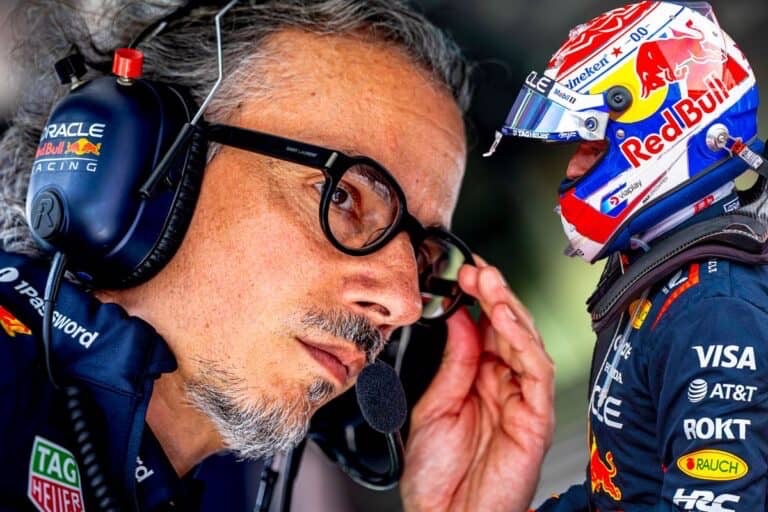
Team principal expected to return for second pre-season session as Formula 1 testing ramps up
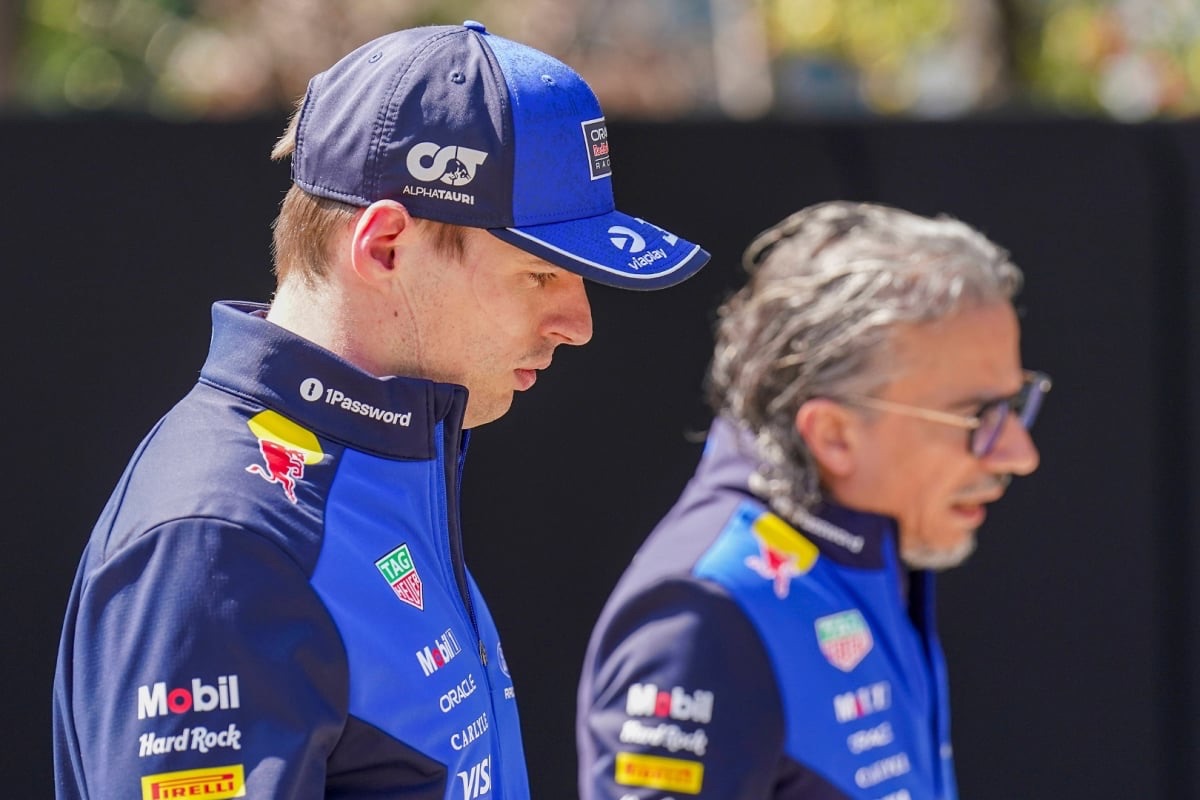
Red Bull team principal Laurent Mekies will reportedly be absent from the opening phase of Formula 1’s pre-season testing in Bahrain due to a scheduled medical procedure. The operation is understood to be routine and minor, but it will keep the Red Bull boss away from trackside duties during the first three-day test window.
According to reports from Dutch newspaper De Telegraaf, Mekies’ absence is purely precautionary and not linked to any serious health issue. He is expected to make a swift recovery and return to the paddock in time for the second Bahrain test later in the month. Red Bull has been approached for official confirmation, but the expectation within the paddock is that his time away will be brief.
His temporary unavailability comes at a key moment in the F1 calendar, as teams begin their most important pre-season preparations. Following months of development work behind factory doors, all 11 teams are now bringing their new cars to the circuit for the first meaningful track running of the year.
The sport is transitioning fully out of its winter break phase. In recent days, every team has unveiled its new livery, showcasing updated designs and sponsor packages ahead of the new campaign. These launches were followed by a private shakedown test in Barcelona, where teams conducted low-key initial runs primarily focused on reliability checks and system validation rather than outright speed.
That Barcelona running took place behind closed doors, with no live timing or broadcast coverage available. Teams used the opportunity to confirm that core systems — including power units, electronics, hydraulics, and cooling packages — were functioning correctly before committing to more intensive programs.
Now the spotlight turns to Bahrain, where the first official pre-season test will run from February 11 to February 13 at the Bahrain International Circuit. A second three-day test is scheduled shortly afterward, from February 18 to 20, giving teams a total of six days of running at the same venue that hosts the season opener.
Conditions in Bahrain are expected to provide far more representative data than the earlier Spanish shakedown. Warmer temperatures and a more demanding track surface will allow engineers to better understand tire behavior, cooling performance, and car balance. As a result, teams will gradually shift from basic reliability programs toward more performance-focused testing, including longer race simulations and lower-fuel qualifying-style runs.
Fan access and media visibility will also increase compared to Barcelona. During the first Bahrain test, only the final hour of each day will be shown live on television, but continuous live timing will be available throughout each session. Spectators will be permitted to attend from the second day onward. The second Bahrain test week will receive full live broadcast coverage across all running hours, offering a clearer public view of team progress.
Early paddock impressions from Barcelona suggested Mercedes may have started strongly. The Brackley-based squad reportedly accumulated more than 500 laps across the three days — one of the highest totals among all teams — indicating a solid reliability baseline. There is also ongoing speculation that Mercedes could have found a clever interpretation within the engine regulations that might yield a small performance gain, with some estimates suggesting a potential advantage measured in tenths of a second. However, such claims remain unproven until more competitive running takes place.
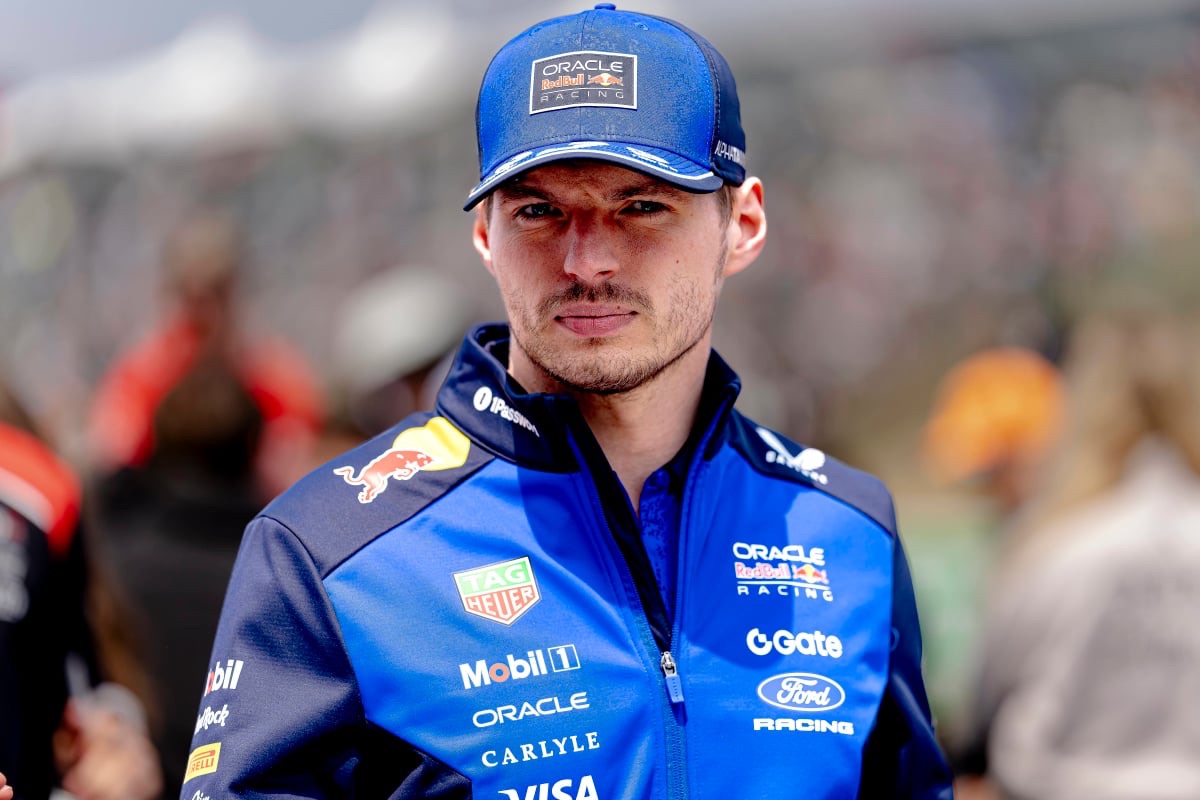
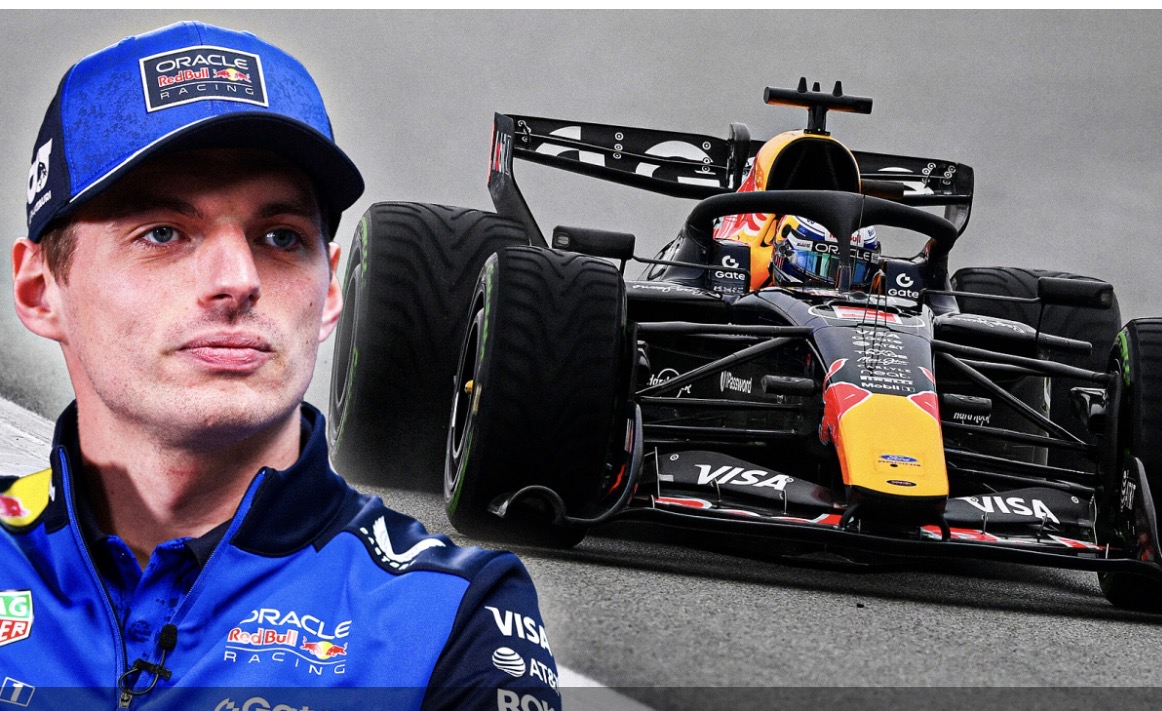
Red Bull’s own early running also drew attention, particularly because of its new power unit program developed in partnership with Ford. The DM01 engine represents the first full product of the Red Bull Ford Powertrains project and marks a significant strategic shift for the team toward in-house engine development. During the Barcelona shakedown, the unit completed more than 300 laps shared between reigning world champion Max Verstappen and young driver Isack Hadjar, with reliability reportedly meeting internal expectations.
Even so, Bahrain’s harsher environment will present a tougher challenge. Higher ambient temperatures and longer runs will test engine cooling, component durability, and energy recovery systems more thoroughly. Teams typically treat these Bahrain sessions as the most meaningful indicator of readiness before the season begins.
Red Bull has already outlined how it will divide cockpit duties during the first Bahrain test. Verstappen will take full responsibility on the opening day, giving him maximum time to evaluate the new car’s baseline characteristics and provide feedback to engineers. Hadjar will then drive throughout the second day, gaining valuable experience and contributing to setup comparisons. On the third and final day of the first test, the team plans to split running time, with Verstappen scheduled for the morning session and Hadjar taking over in the afternoon.
Although lap times in testing are often difficult to interpret due to varying fuel loads, tire choices, and program priorities, patterns in reliability, consistency, and long-run pace can still offer useful clues. With Mekies temporarily away and teams entering their first true performance phase of the year, the Bahrain tests are set to play a crucial role in shaping early expectations for the upcoming Formula 1 season.