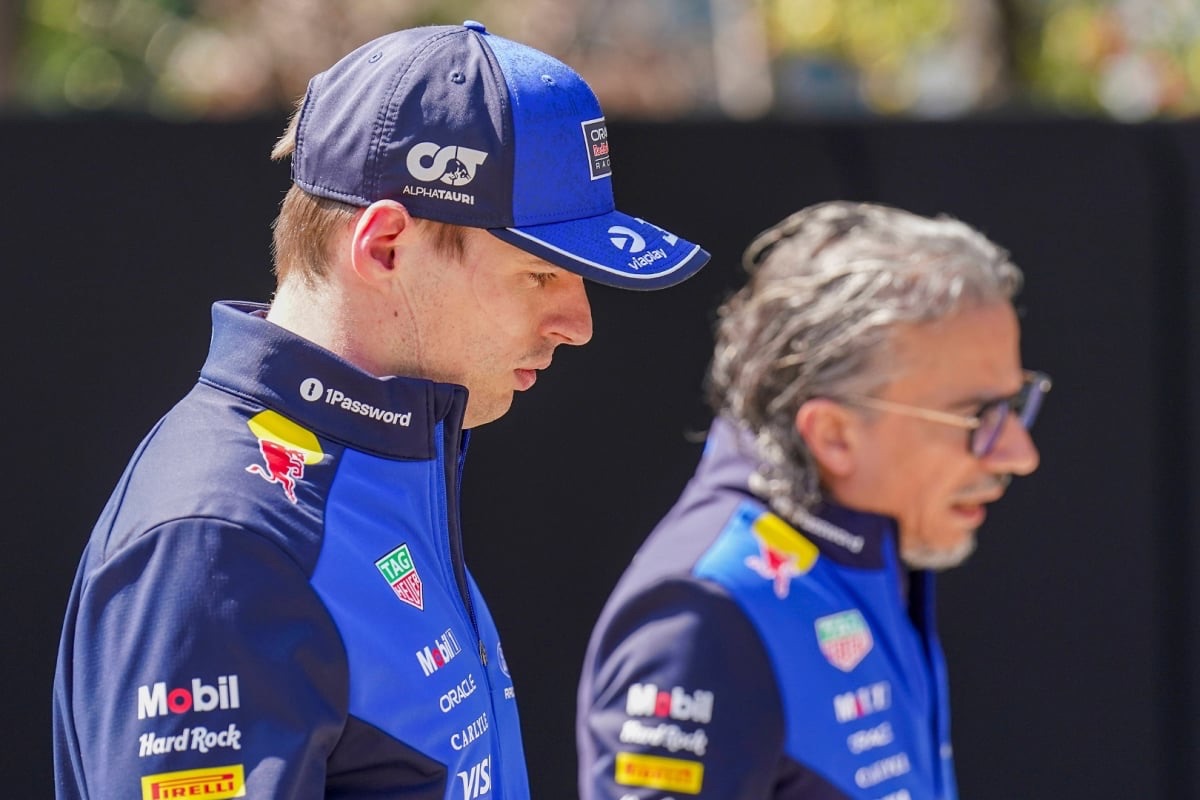
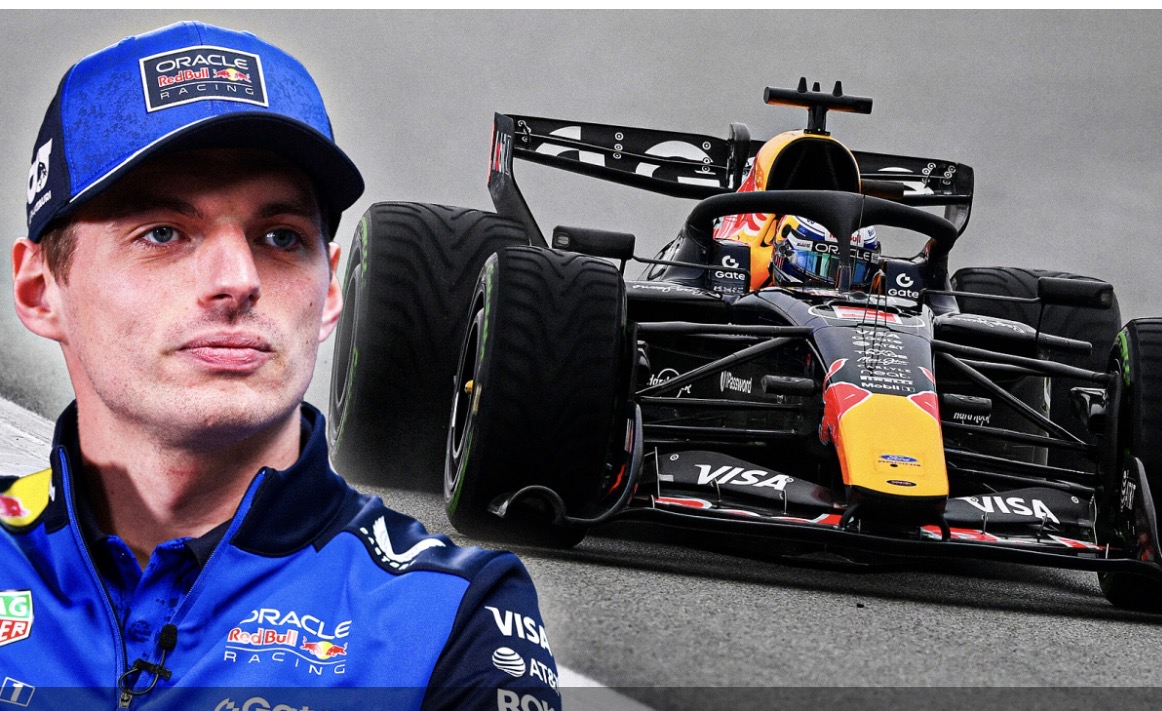
The headline from Red Bull Racing (RB) reveals that the team has made a significant technical alteration to the car of Max Verstappen during the 2025 Qatar Grand Prix weekend — a move that helps explain why the reigning world champion has been grappling with handling difficulties at the Lusail International Circuit.
What went wrong — and what changed
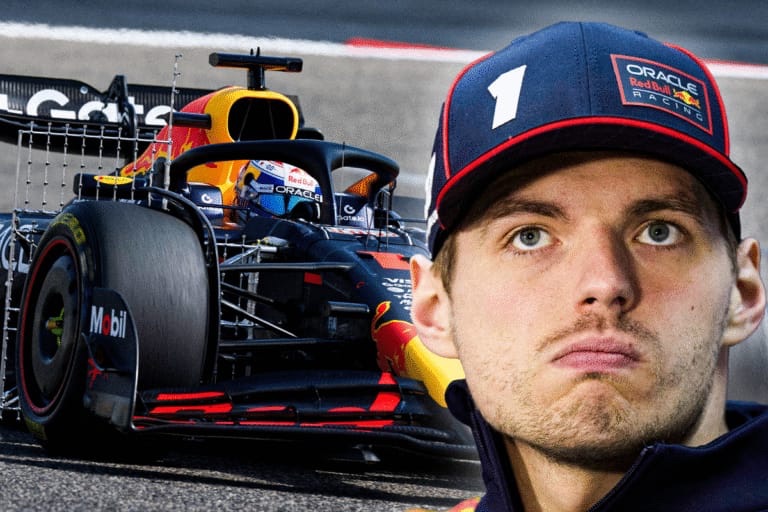
From the early practice sessions, through the sprint race, up to qualifying, Verstappen repeatedly voiced his discomfort with the car’s behavior. He struggled with clear issues: persistent understeer, an unpredictable front end, and bouncing — especially over high-speed sections of the track — all of which severely compromised the balance and stability he would expect from a usual RB car.
It turns out this wasn’t simply a matter of car setup or chance: the team confirmed that Verstappen had elected to run an earlier version of the floor (a critical aerodynamic component) — the same floor spec first used at the 2025 Italian Grand Prix in Monza — instead of the newer, upgraded floor that RB had introduced a few weeks prior during the 2025 Mexico Grand Prix weekend.
This was not due to supply issues or a forced downgrade — it was purely a personal preference from Verstappen. After trying the new floor, he judged that it did not match his driving style, especially in terms of front-end precision and braking stability.
Why the new floor still wasn’t “bad” — but just didn’t suit Max
Interestingly, the floor upgrade had worked well for the other Red Bull–supported driver running similar components, Yuki Tsunoda (from the sister RB squad). Tsunoda reportedly adapted quickly and had no issues with the revised layout.
This suggests that the floor itself was not faulty — but that in Formula 1, even subtle changes to aerodynamics and chassis behavior can produce wildly different results depending on a driver’s style, preferences, and the car setup. For Verstappen, the new spec apparently disrupted the “feel” that allowed him to extract consistent performance.
Red Bull’s senior advisor Helmut Marko acknowledged that the floor was only part of the problem. According to him, the handling woes — bouncing and instability — were likely the result of a combination of factors: setup inconsistencies, the Lusail circuit’s aggressive kerbs, and the general sensitivity of the RB21 chassis to aero balance changes.
What happened on track during Qatar
Despite the discomfort and sub-optimal car behavior, Verstappen showed resilience throughout the Qatar weekend. In the sprint qualifying, he could manage only sixth on the grid. Still, during the sprint race, he battled back to finish fourth, which — although not a victory — demonstrated that with enough skill and effort he could mitigate some of the car’s shortcomings.
Qualifying for Sunday’s Grand Prix was somewhat better: Verstappen ended up on the second row, securing third on the grid, behind the two frontrunners from McLaren F1 Team — Oscar Piastri and Lando Norris — who locked out the front row in impressive form.
Still, even with improved pace and grid position, the car looked “less planted” than rival machinery, highlighting that the underlying aero and setup problems had not been fully solved. RB hope that reverting to the older floor spec will at least provide Verstappen enough confidence and stability to fight effectively in the race — though they remain uncertain whether the bouncing and balance problems stem solely from the floor, or whether deeper mechanical or aero adjustments will be needed.
Why this change matters — and what it says about Red Bull’s 2025 season
This change is significant not just because it illustrates how finely tuned and sensitive F1 cars are — but also because it shines a spotlight on the pressures and trade-offs even a top driver like Verstappen and a top team like Red Bull face during challenging weekends.
Since the start of the 2025 season, the car’s competitiveness has been questioned by analysts and fans alike. With rivals such as McLaren pushing hard, any drop in performance — even if linked to aerodynamics or driver comfort — is a major concern. By openly confirming that the floor spec for Verstappen’s RB21 has been reverted, Red Bull is being transparent about the challenge, and implicitly acknowledging that “one-size-fits-all” upgrades don’t always work uniformly for every driver.
Moreover, RB’s willingness to make adjustments — rather than force a “latest spec for all” mentality — suggests a flexible, driver-oriented approach, at least in this instance. This could help keep morale high within the team and ensure Verstappen remains comfortable enough to compete at his usual level, even if things are not perfectly optimal.
What’s next — and what to watch
In the coming days and during the rest of the Grand Prix weekend, much will depend on whether this back-to-older-floor decision delivers the stability Verstappen needs on race day. The team still plans to analyze the data thoroughly to figure out whether the bouncing and instability can be fully addressed by setup tweaks or whether more structural tweaks will be required.
Meanwhile, with rival teams — especially McLaren — in strong form, every ounce of comfort, balance and confidence will be critical if Verstappen is to remain competitive in the championship fight as the season heads toward its finale.
For fans and pundits, this technical tweak is a reminder of how delicate F1 setup decisions can be, and how even proven upgrades can backfire depending on driver preference and circuit demands. For Red Bull (and Verstappen), it’s a calculated gamble: revert to what works — at least until a better upgrade comes along that matches driver and track demands.