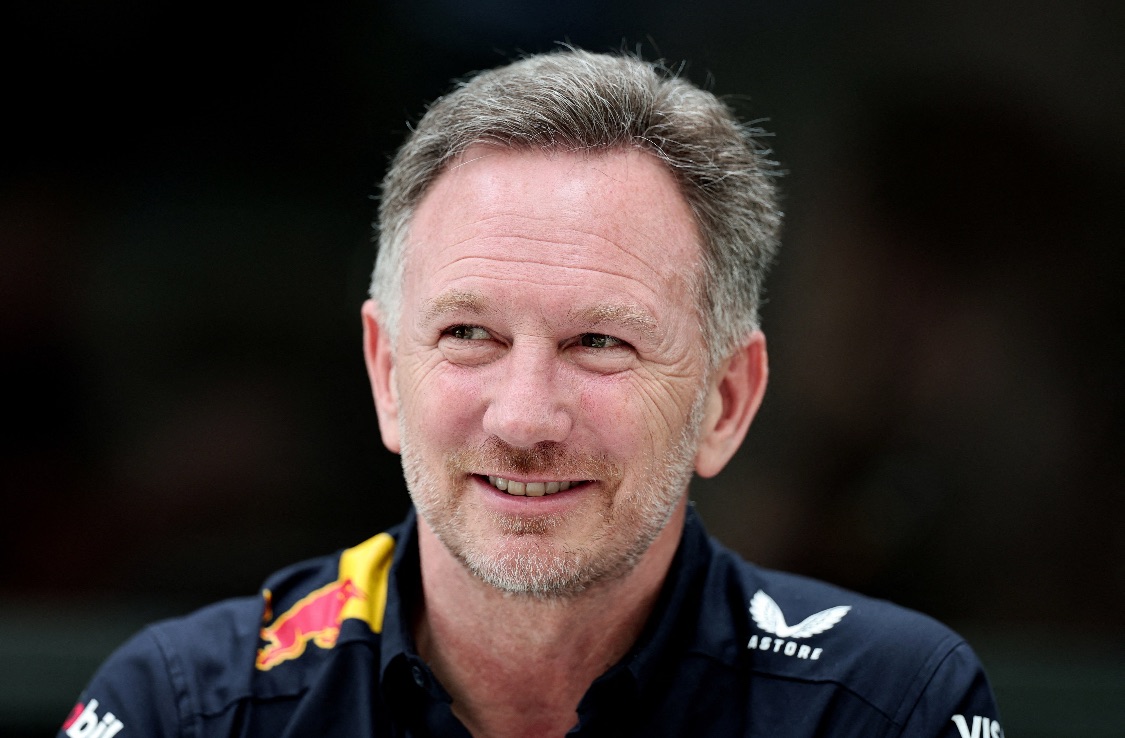
The headline-making news is that Red Bull Racing has seemingly decided to retire one of its most familiar and humanizing rituals, linked to the long-time face of the team, Christian Horner. For nearly twenty years, Horner had a signature way of welcoming every new driver who joined the squad: with the words, “Welcome to Red Bull Racing.” That simple phrase a phone-call or handshake from the man himself became more than a formal greeting: it represented personal recognition, welcome, and acceptance into the team’s tight-knit family.
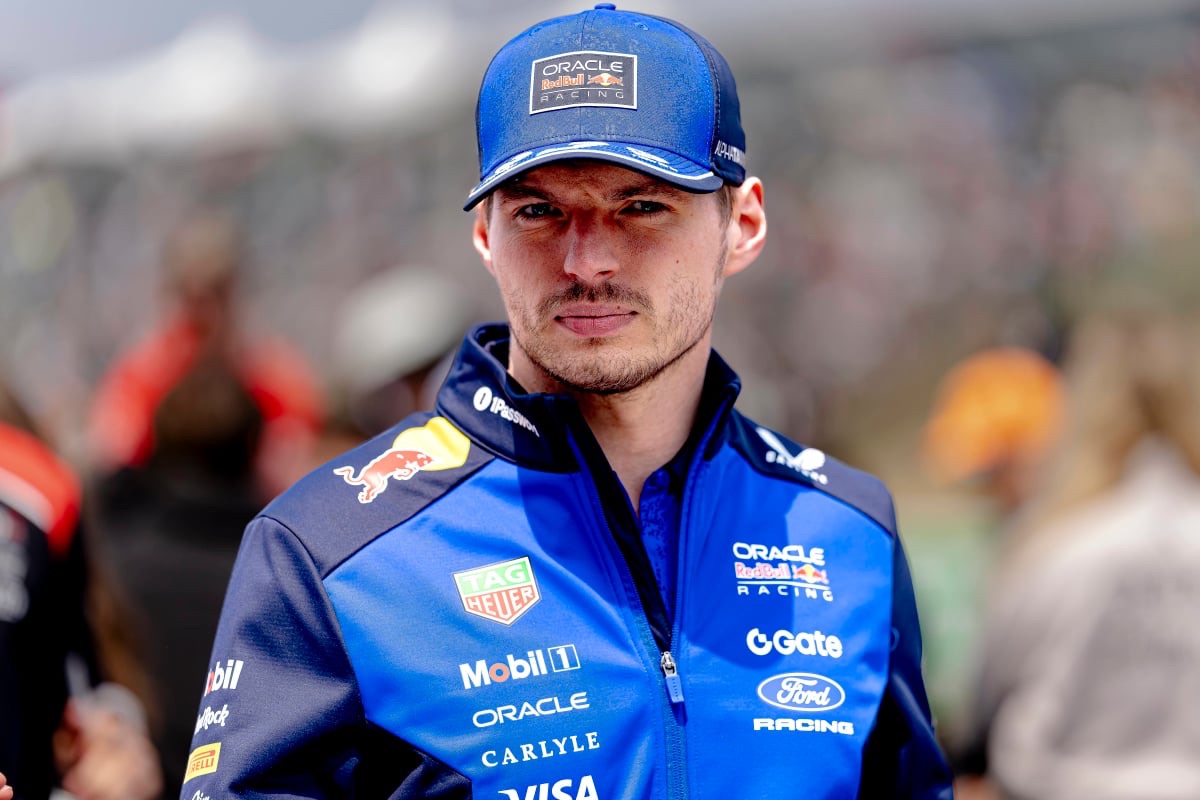
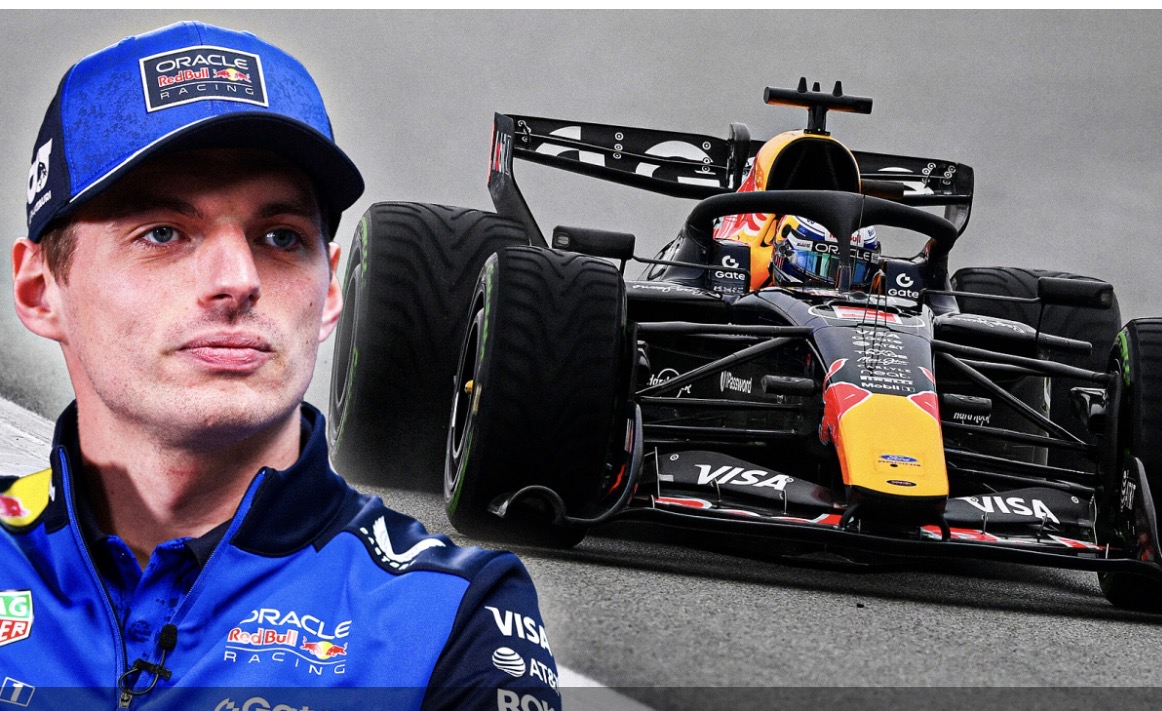
But with Horner’s departure, that custom appears to have quietly ended. According to the article, rookie driver Isack Hadjar who has just been confirmed as a teammate to Max Verstappen for the 2026 season said he did not receive that traditional “welcome” when he got the news. Rather than a friendly phone-call from Horner, he said the announcement came through a conversation with long-time Red Bull advisor Helmut Marko. That alone, the article suggests, speaks volumes about how the culture and tone at Red Bull are changing in the post-Horner era.
This shift isn’t just symbolic. It underscores a broader transformation in the organization’s leadership, style, and internal culture after a major shake-up at the top. Horner had been ousted earlier this year; after more than two decades running the team since their entry into Formula 1 in 2005 his tenure came to an abrupt end post–British Grand Prix. Under his leadership, Red Bull had ascended from a fledgling team to a powerhouse, collecting six Constructors’ Championships and eight Drivers’ titles.
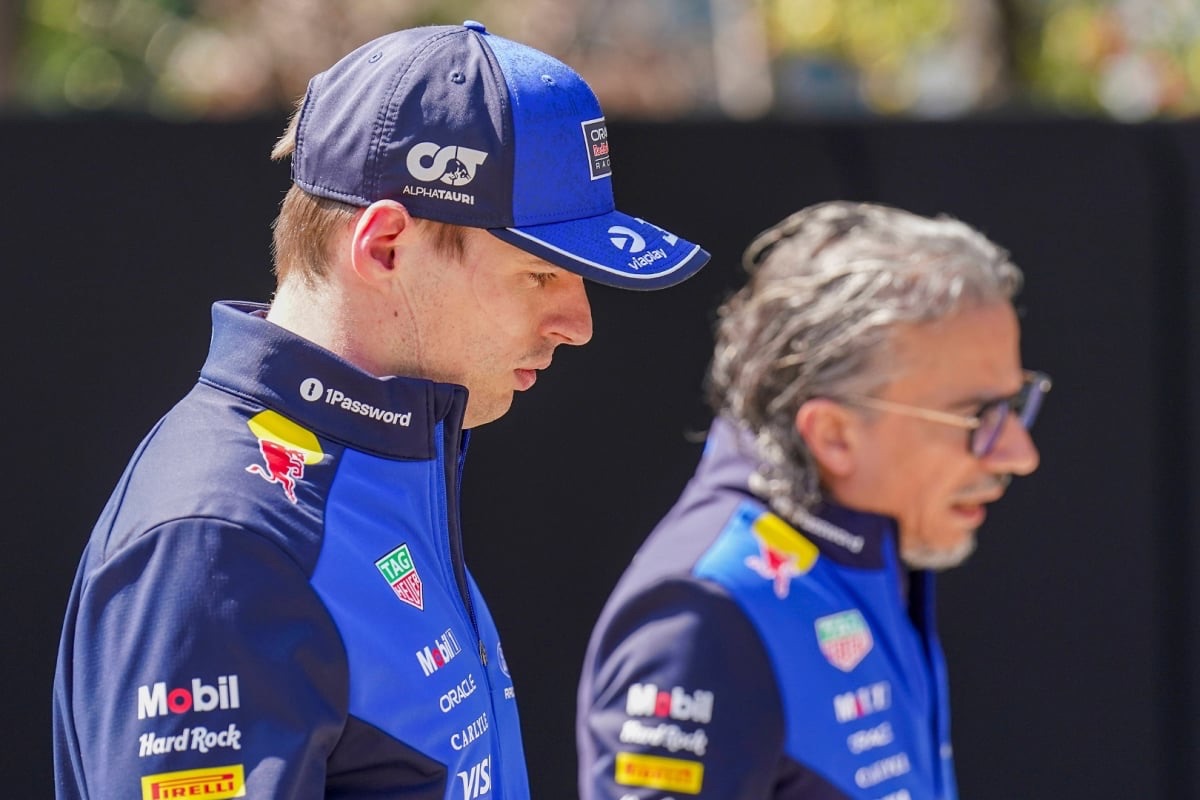
Stepping into Horner’s shoes is Laurent Mekies (a former boss at Red Bull’s junior outfit, Racing Bulls), who now serves as both team principal and chief executive of Red Bull Racing. As a result, some of the personal touches associated with Horner’s style such as that iconic greeting have been set aside, replaced with a more formal, corporate approach.
For many drivers who graduated through Red Bull’s system, receiving Horner’s personal “Welcome to Red Bull Racing” was a milestone a memorable rite of passage that validated their hard work and ambition. For instance, drivers like Liam Lawson, who was promoted the previous season, publicly shared how meaningful that moment was for them. But Hadjar’s different experience signals how much things have changed and perhaps how Red Bull’s priorities are shifting, with less emphasis on personal rituals and more on structure, efficiency, and professionalism under new leadership.
The article presents Hadjar’s acceptance of this change as pragmatic: he seemed unbothered by the absence of the traditional phone-call, viewing simply earning the seat as more important than how the news was delivered. As he reportedly put it — whether jokingly or with a hint of resignation — “there was no very cool phone call, it was just a talk with Helmut Marko.”
But beyond that personal moment lies a broader commentary on evolving dynamics at Red Bull. With new leaders, new ways of doing things, and a fresh driver roster coming in, the team appears to be embracing a different identity one that may be more businesslike, streamlined, and less dependent on the singular personality of a long-serving team principal. The change in how new drivers are welcomed may be small on paper, but symbolically, it shows that Red Bull is putting Horner’s era firmly in the rear-view mirror, and ushering in a new chapter under Mekies’s stewardship.
Ultimately, while the “Welcome to Red Bull Racing” line may be gone, the article argues that the organisation’s ambition remains intact. Red Bull is still very much committed to nurturing top-tier talent, investing in new drivers, and pushing forward as it prepares for the next phase of its Formula 1 journey — even if the tone feels a bit colder, a bit less personal, than it once did.