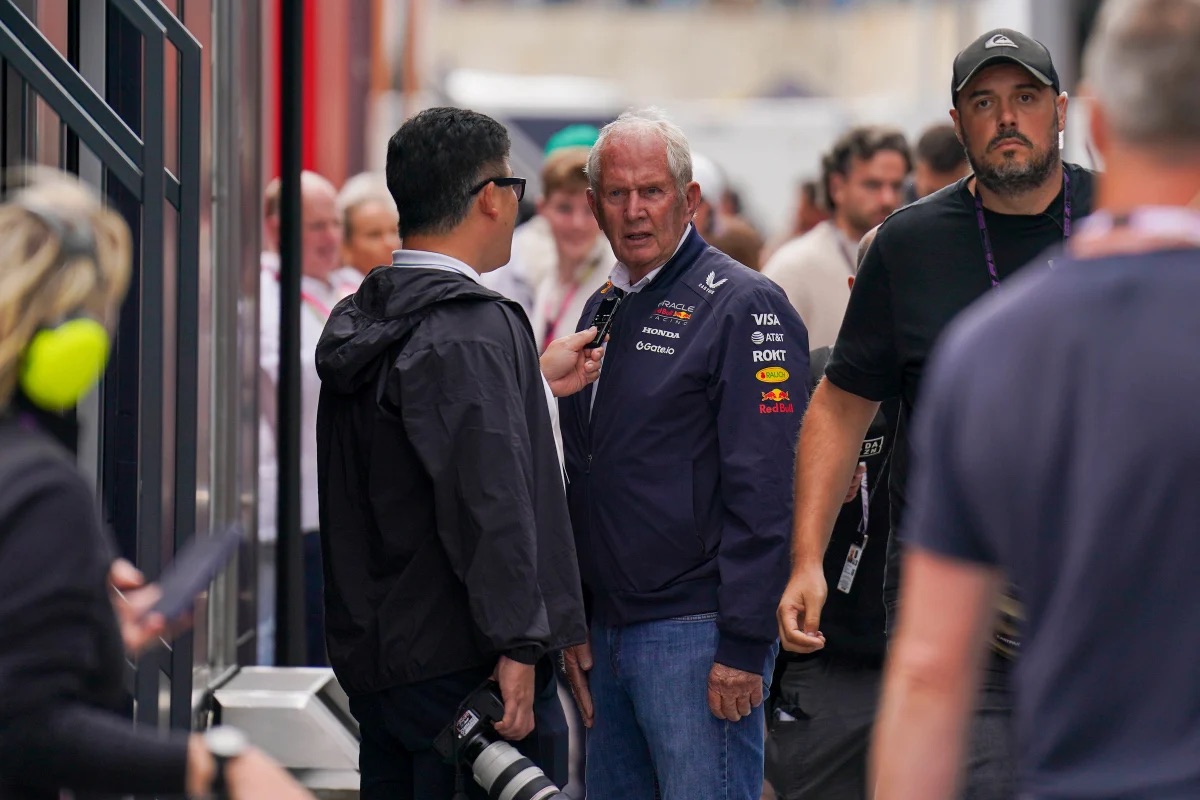
The Formula 1 world has been rocked by confirmation that Helmut Marko, one of the most influential figures in Red Bull Racing’s history, has officially had his role as a director within the team terminated just days before Christmas 2025. The news marks the end of an era in the sport, given Marko’s extraordinary two-decade tenure that saw him help build Red Bull into a dominant force in Formula 1.
For many years, Marko was more than just an advisor; he was one of the key architects behind Red Bull’s success on the world stage. Overseeing the team’s motorsport strategy, he founded and ran the Red Bull Junior Programme, which was responsible for identifying and developing some of the brightest young talents in racing. Drivers such as Sebastian Vettel and Max Verstappen, both of whom went on to become multiple-time world champions, were products of this program that Marko championed.
Even though Marko’s departure from Red Bull has been anticipated for some weeks, the confirmation that his directorship has been formally terminated as of December 19 2025 brings his involvement with the team to a definitive close. According to official filings, Marko’s name has been removed from the roles he held with Red Bull Racing Ltd, Red Bull Powertrains, and Red Bull Advanced Services, among other associated companies within the Red Bull motorsport ecosystem.
His farewell message was reflective and poignant, echoing the significance of his long career in motorsport. He stated that being involved in racing for six decades had been “extraordinary and extremely successful,” and that his time at Red Bull had been a pivotal and rewarding chapter in that journey. Marko spoke fondly of the talented people he had worked with and the milestones the team had achieved together, emphasizing his pride in what had been built. He closed with well-wishes for the team’s continued success and expressed confidence that Red Bull would again be a force to contend with for future championships.
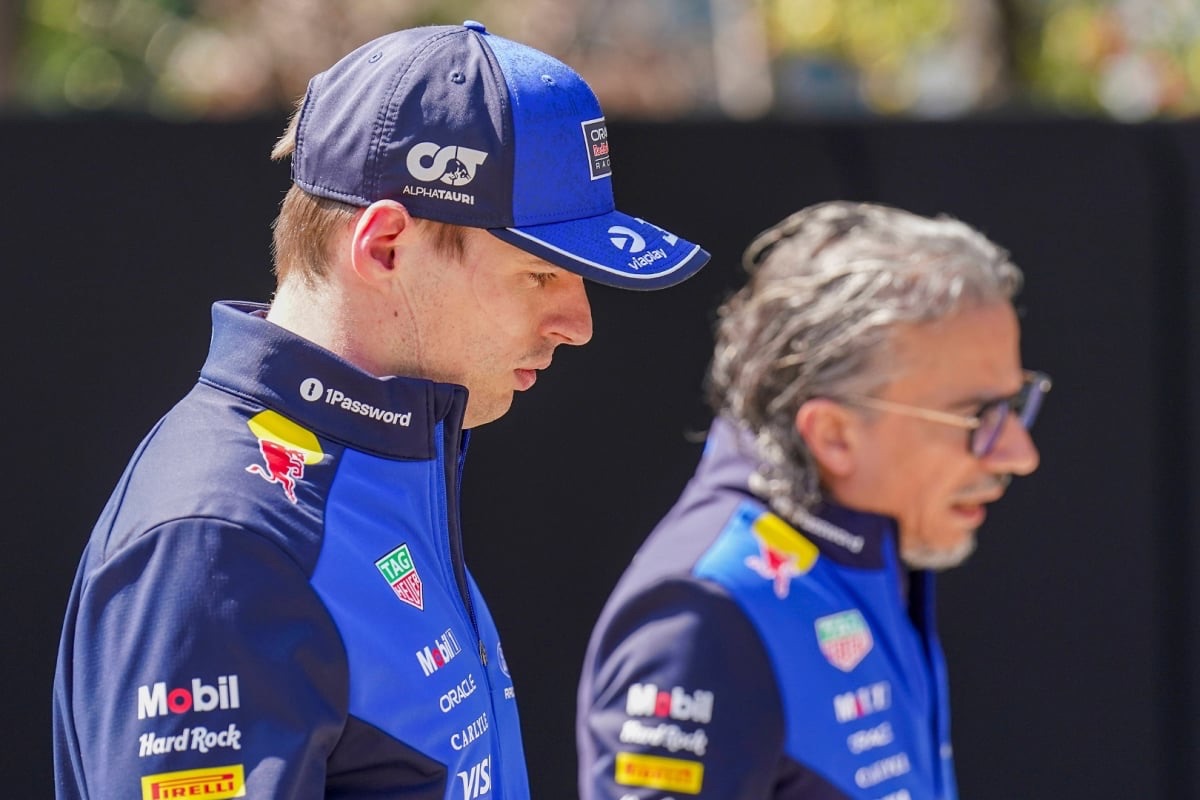
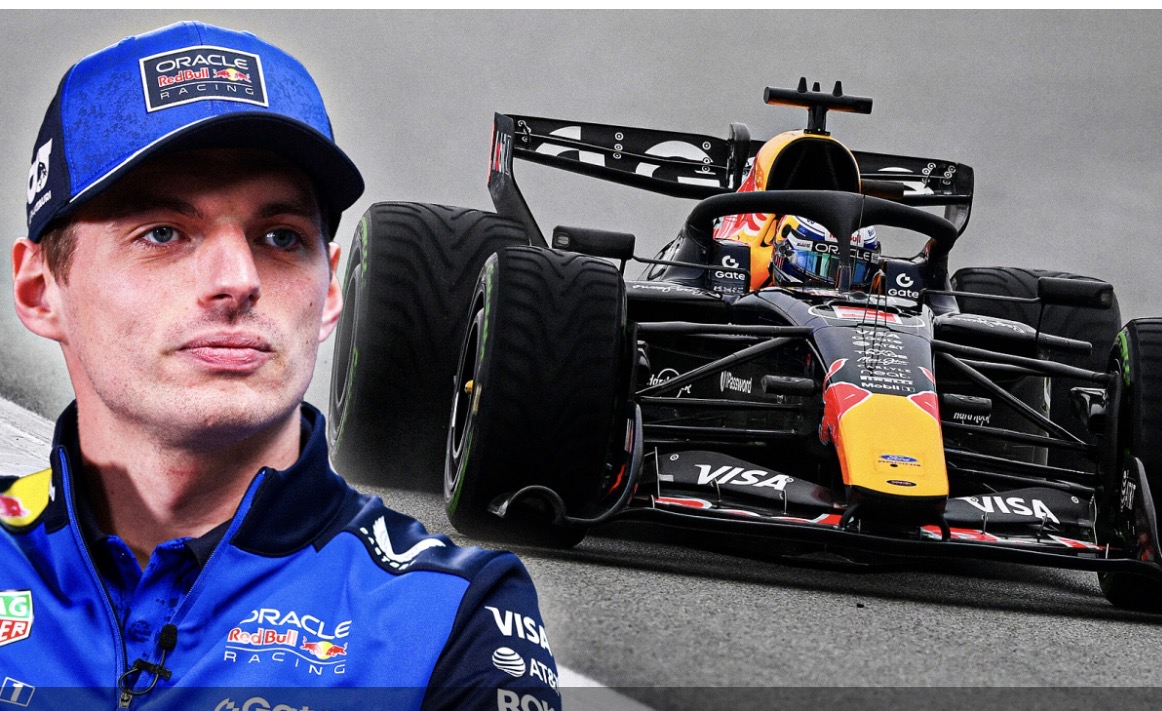
Though Marko’s statement painted his exit as a personal decision shaped by the emotional impact of Red Bull narrowly missing out on the 2025 world championship—where Max Verstappen lost the title by a slim margin—it’s clear that his departure also fits into a broader restructuring at the team. Red Bull’s leadership has been in transition this year, with Christian Horner’s exit as team principal earlier in 2025 and his replacement by Laurent Mekies. Following those changes, Red Bull appears to be reshaping its management structure, with Alistair Rew—already the CFO of Red Bull GmbH—appointed as a new director alongside Mekies in the motorsport business.
Multiple media reports from the wider Formula 1 press add further layers to the story surrounding Marko’s exit. According to outlets like motorsport.com and ESPN, Marko himself confirmed that he wasn’t forced out under pressure from the team but made the decision to step aside after a long career. He reportedly spoke candidly about the emotional toll of the 2025 season and said that missing the championship by such a narrow margin was a decisive factor in his choice to retire.
That said, some sources have implied that internal disagreements and organizational shifts may have played a part as well. There has been speculation that Marko’s contract, which extended into 2026, was brought to an early end following discussions with Red Bull executives, and that his departure comes at a time when the Austrian team is attempting to redefine its leadership structure. The timing—so close to Christmas and immediately after the culmination of the 2025 season—suggests a significant moment of transition not just for Red Bull, but for Formula 1’s leadership landscape.
Marko’s departure is significant because it represents the loss of one of the last remaining figures connected directly to Red Bull’s very first entry into Formula 1. He joined the organization in 2005, shortly before the team made its competitive debut, and played an instrumental role in everything from driver recruitment to major technical and strategic decisions. His influence extended far beyond the pit lane—he was a polarizing, outspoken voice whose assessments and judgments were often candid and occasionally controversial.
Indeed, some commentators in the motorsport media have argued that Marko’s exit could contribute to what they term a “character crisis” in Formula 1. Because the sport is increasingly dominated by engineers and technically minded team bosses, the loss of high-profile personalities like Marko and Horner—both known for their bold, outspoken public personas—has prompted discussions about whether the paddock will have fewer strong, recognizable figures who help define its identity for fans and media alike.
The Red Bull Junior Programme, which Marko ran with great influence, is expected to continue under new leadership, but his absence will be felt, particularly in how young talent is scouted and nurtured. Red Bull’s pipeline has been one of the most successful in the sport, having delivered a stream of drivers into Formula 1 over many years. With Marko no longer at the helm of that system, long-term fans and insiders will be watching closely to see how the team manages driver development moving forward.
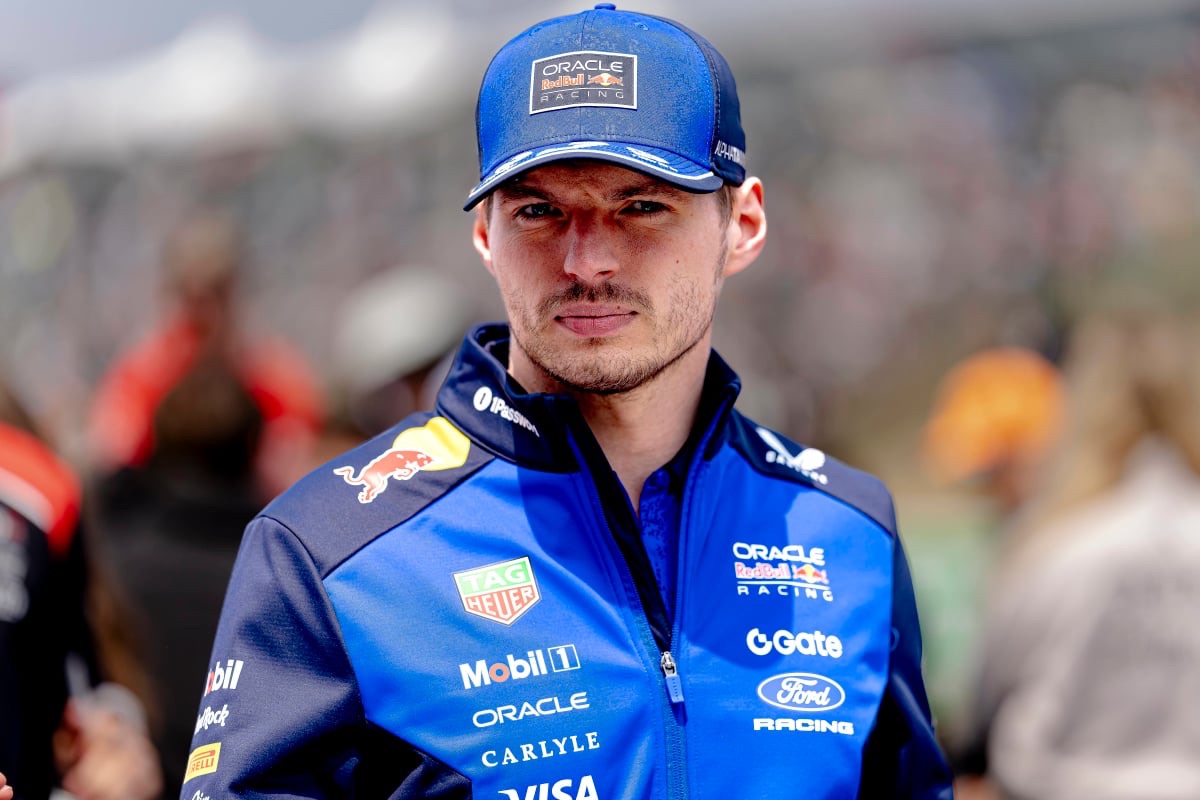
Importantly, Marko was also known for his close relationship with Verstappen. The two had worked together for over a decade, with Marko playing a vital role in bringing Verstappen into the Red Bull program at a very young age and supporting him throughout his rise to the top of the sport. Verstappen himself has publicly paid tribute to Marko’s contributions and influence.
Looking at the broader picture, Red Bull’s decision to remove Marko’s name from official company directorships signals a clean administrative separation between him and the team’s corporate structure. While he had already announced plans to step down at the end of the year, the formal termination crystallizes what many have been referring to as the end of an era for one of Formula 1’s most experienced and capable operators.
In conclusion, Helmut Marko’s official termination as a director of Red Bull Racing is a pivotal moment in Formula 1 history. It not only marks the end of a remarkable career but also reflects broader changes sweeping through one of the sport’s most successful teams. The legacy he leaves behind—characterized by world championships, iconic drivers, and a vast global influence on the sport—is likely to be remembered long after his departure.