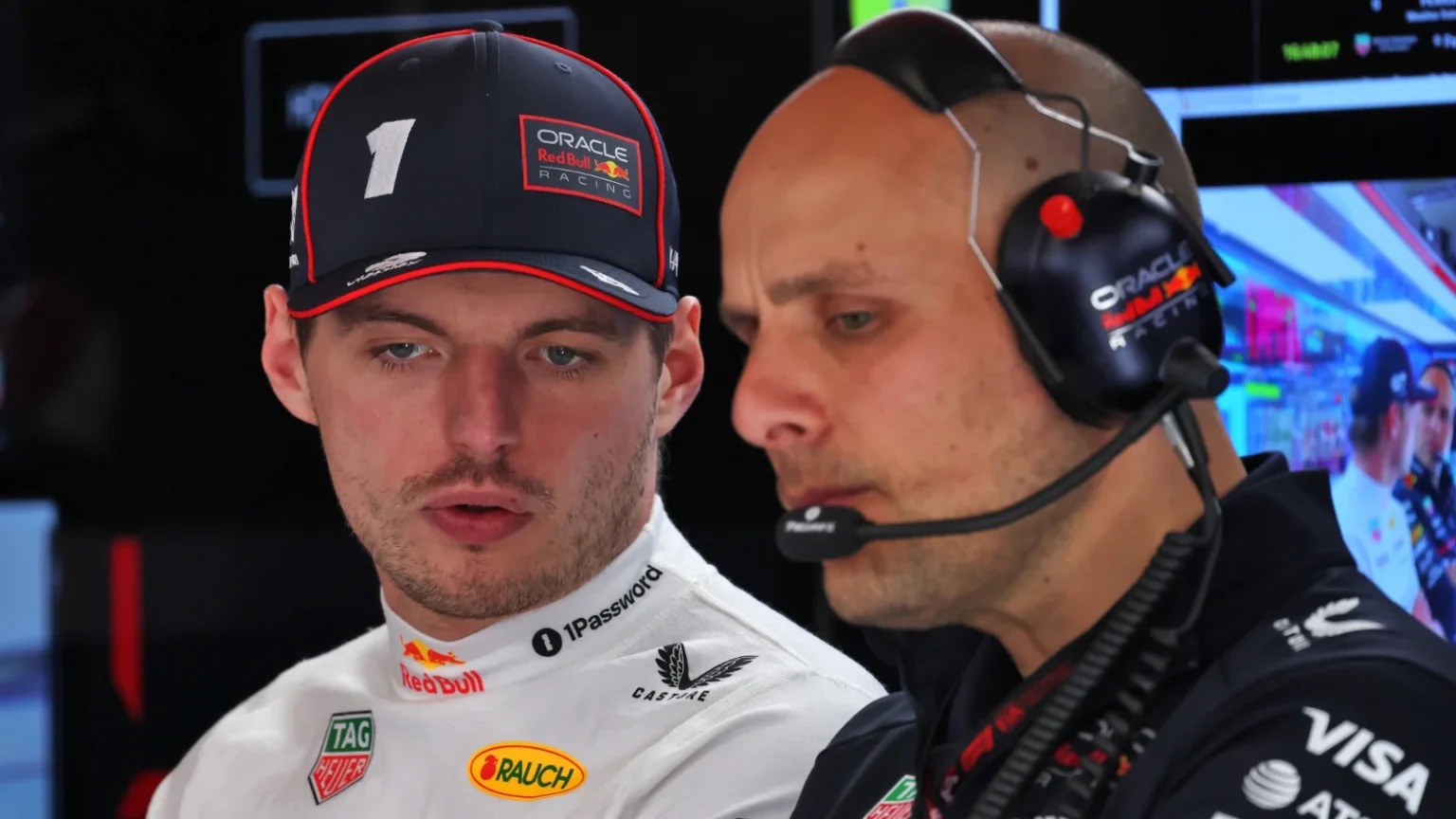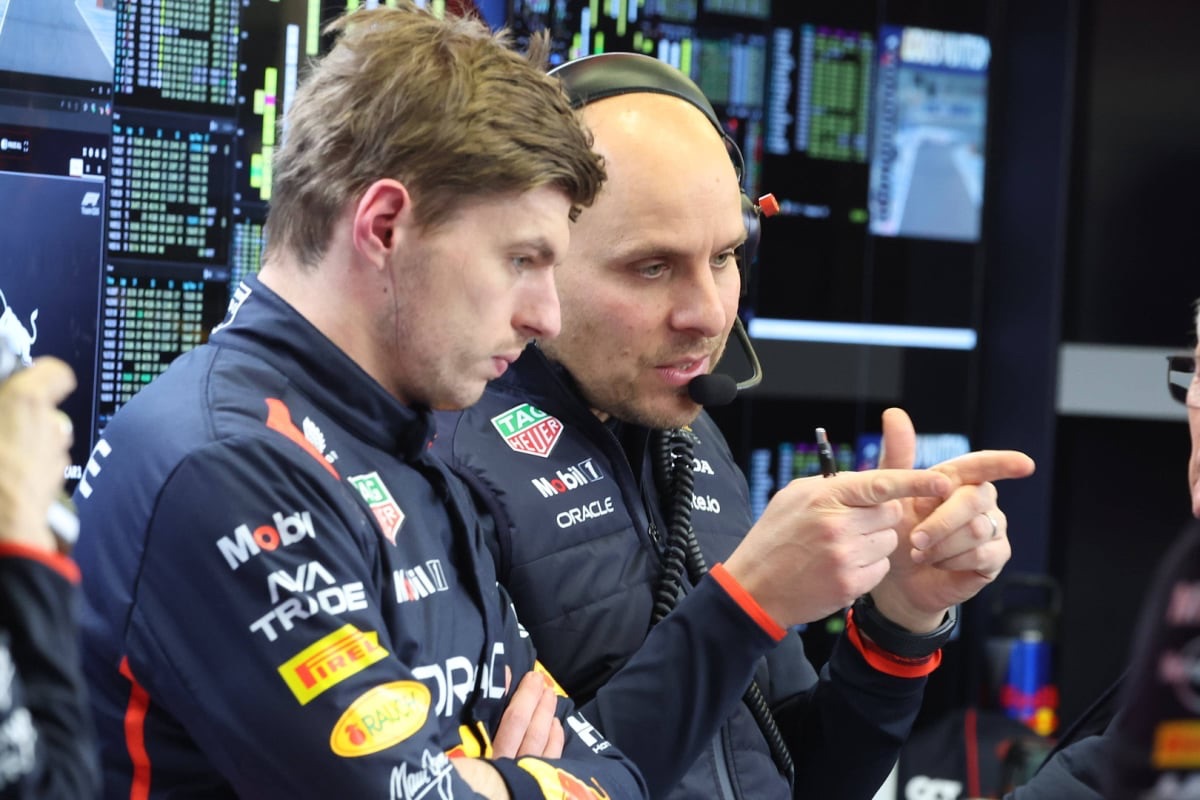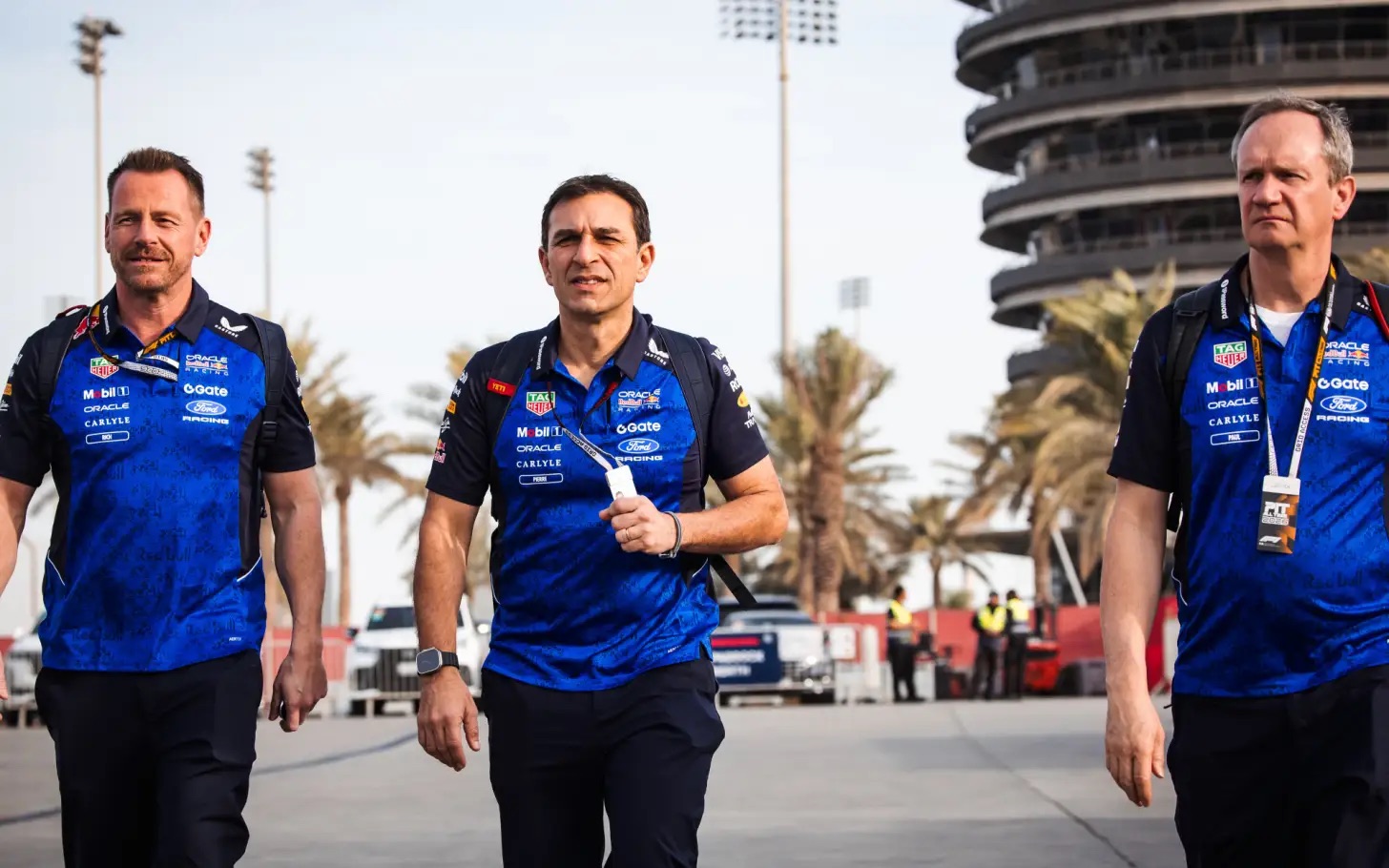
In the early stages of the 2026 Formula 1 season, all eyes were on the first official pre-season test at the Bahrain International Circuit. With a completely redesigned car and new power unit regulations in play this year, teams are eager to establish where they stand before the season gets underway. After three days of running in the heat of Sakhir, several squads impressed—but perhaps none drew as much attention as Max Verstappen and Oracle Red Bull Racing.
At first glance, many in the paddock interpreted the data from Bahrain as a sign that Red Bull was more competitive than expected. On track, the Red Bull RB22 showed promising pace and reliability, and its drivers completed valuable mileage testing the car’s behaviour under the new technical rules. In particular, the team’s new in-house power unit, developed in partnership with Ford, produced strong energy deployment figures and consistent performance over multiple laps. Rival teams, including some of the usual front-runners, were forced to acknowledge that Red Bull’s hardware looked strong in certain key areas.
Despite this external perception, Red Bull’s own technical director, Pierre Waché, issued a notably modest and even contrarian assessment of his team’s performance after Bahrain wrapped up. In an interview with RacingNews365, Waché insisted that Red Bull currently believes it is not the benchmark for the year and is actually behind several of its key rivals in the early pecking order.
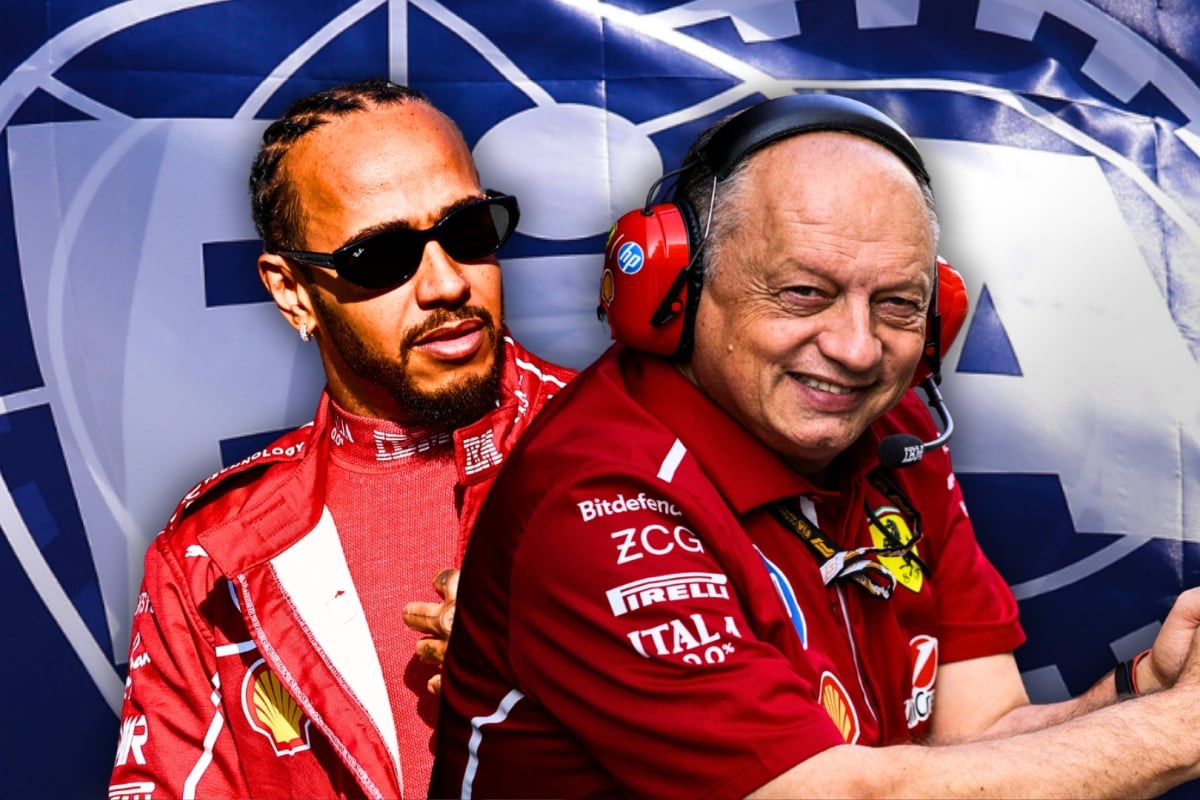
Waché’s comments were striking because they came at a moment when many observers were talking about Red Bull as a potential threat to competitors like Scuderia Ferrari, Mercedes AMG Petronas Formula One Team, and McLaren F1 Team. Instead of embracing that narrative, Red Bull’s technical chief downplayed his team’s pace and suggested that the evidence from Bahrain doesn’t currently support the idea that Red Bull sits ahead of everyone else.
Red Bull’s Stance: We’re Behind, Not Ahead
According to Waché, Red Bull’s internal analysis points to Ferrari, Mercedes, and McLaren showing stronger overall performance during the Bahrain test. While Red Bull did show moments of competitive running, the data suggests that these other teams were quicker over the course of the session and may have a better handle on the new regulations so far. As Waché put it, Red Bull is “clearly behind” these teams based on the information they have right now.
Part of the uncertainty comes from how different squads approached their test programmes. Fuel loads, engine modes, tyre strategies, and development goals can vary dramatically from team to team, especially in pre-season testing. This makes it hard to compare raw lap times directly. However, even with those caveats in mind, Waché felt his team’s own figures still placed it behind the front runners.
Despite this, Red Bull was careful not to dismiss the importance of the Bahrain running. Waché acknowledged that the test provided useful insights into where improvements are needed, particularly around areas like low-speed traction and stability, where the RB22 seemed to lose time relative to some rivals. He also stressed that the team was focused more on getting solid data and understanding the car’s behaviour than on chasing outright lap times.
What the Paddock Thought
Many rival teams reacted strongly to Red Bull’s display in Bahrain, though their interpretations varied. Some analysts pointed to Red Bull’s energy management and straight-line speed as promising signs, especially given that this was the squad’s first full pre-season test with its own power plant after splitting from previous engine suppliers. Both Mercedes team principal Toto Wolff and other drivers acknowledged that Red Bull’s hybrid system seemed very efficient compared to rivals, with particularly impressive energy deployment figures over extended laps.
But even Wolff’s comments, while respectful, stopped short of calling Red Bull definitively faster than everyone else. Instead, he suggested that the Milton Keynes-based team had done a good job but that it was still early in the process and that much could change before the season opener.
Similarly, Lando Norris and other competitors noted that while Red Bull’s power unit performance was impressive, it wasn’t yet clear how this advantage would translate over an entire race distance or across the full calendar. They also stressed that Bahrain is only one data point, and often teams use testing to focus on different things rather than show true race pace.
Why Red Bull Might Be Conservative
There are a few reasons Red Bull’s leadership may have chosen to publicly temper expectations:
Protect Against Pressure: By underplaying their own speed, Red Bull reduces external pressure and scrutiny on their development programme. This allows them to work on upgrades and strategies without appearing overly vulnerable or overconfident. Accounting for Unknowns: Pre-season testing is notoriously unreliable for predicting true performance. Track conditions, weather, and differing test programs can distort how fast a car appears. Waché’s comments might simply reflect a realistic acknowledgment of this uncertainty. Psychological Gamesmanship: In a sport as strategic as F1, teams sometimes make statements that play mind games with rivals. Suggesting they’re behind could lull others into complacency or mislead them about Red Bull’s true development targets. Internal Goals Over Prestige: Red Bull’s priority appears to be gathering clean data and improving the car rather than chasing headlines. By emphasizing weaknesses, the team sends a signal internally that work still needs to be done.
What Comes Next
With a second Bahrain pre-season test scheduled soon and the 2026 season opener in Australia on the horizon, all teams will be looking to refine their cars and strategies. It’s important to remember that pre-season testing is just the beginning. Performance can evolve rapidly as teams install upgrades, adjust to the new technical regulations, and learn more about tyre behaviour and race simulation.
Red Bull’s insistence that it is behind its rivals is an intriguing twist in the early narrative of the 2026 Formula 1 season. Whether this is a genuine reflection of reality or a strategic understatement remains to be seen. But one thing is clear: every team is pushing hard to solve the challenges posed by the sport’s biggest rule changes in years, and the competitive order could look very different by the time the lights go out on race day.