Red Bull Fires Back After McLaren’s “Hand Grenade” Cost-Cap Challenge
In a dramatic twist off the race track, Red Bull has come out strongly in defense of its engine decision for Max Verstappen at the Brazilian Grand Prix — responding sharply to McLaren’s pointed cost-cap challenge.
The Origin of the Dispute
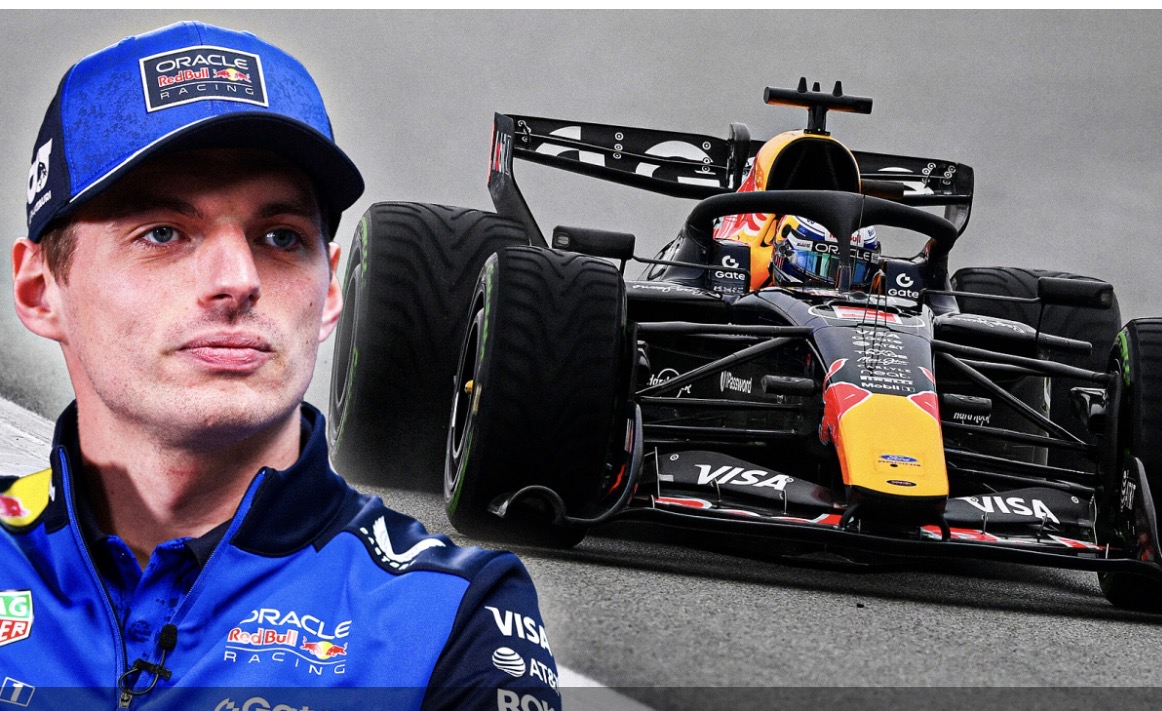
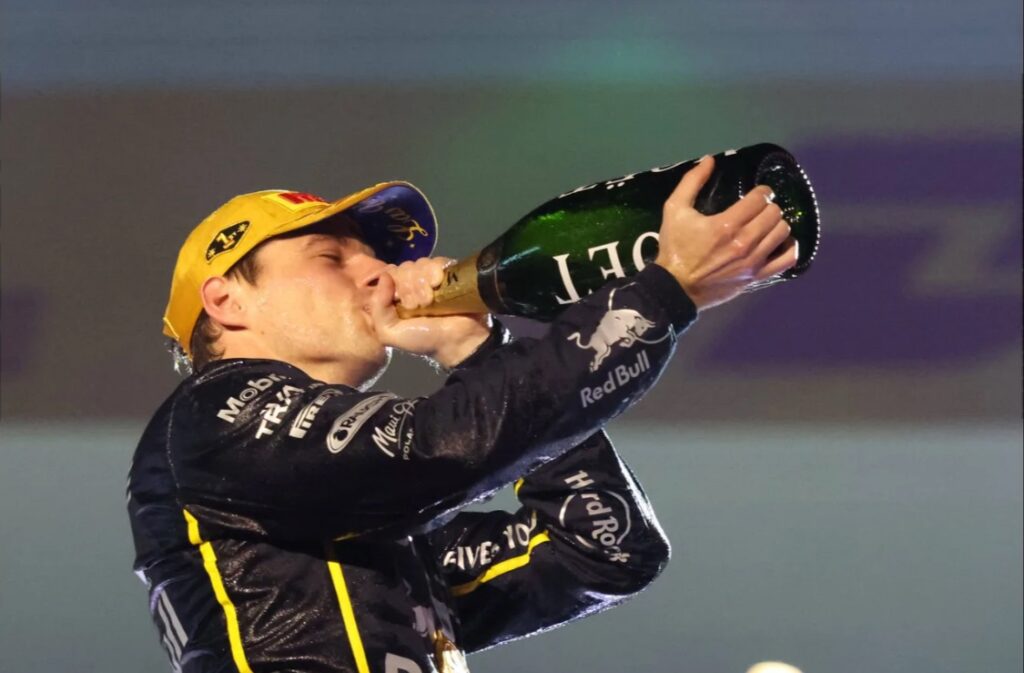
During the Brazil GP weekend, Red Bull opted to overhaul Verstappen’s car setup. This involved a major swap: a brand-new Honda power unit was fitted into his RB21 after he exited Q1 in qualifying. The result was that Verstappen had to start the Grand Prix from the pit lane — a penalty triggered by the parc fermé rules he broke. Despite this setback, he mounted an impressive recovery drive and secured a podium finish, proving just how well the gamble paid off.
However, McLaren’s team principal, Andrea Stella, raised an eyebrow at the decision. He questioned whether this engine change was purely for reliability or if there were underlying performance motives — implications that carry profound cost-cap consequences. Stella reportedly said that such “power unit changes challenge the regulations,” stressing that if the swap was performance-driven, its cost ought to count against Red Bull’s budget cap.
Red Bull’s Unapologetic Rebuttal
Red Bull’s chief engineer, Paul Monaghan, didn’t mince words in response. He pushed back hard, suggesting that McLaren had essentially “rolled a hand grenade” into the debate. According to him, the move was neither illegitimate nor unusual — other teams in previous seasons have made similar changes. Monaghan emphasized that Red Bull had thoroughly justified the decision internally, and if questioned, they are more than ready to defend their position.
He called the situation “a grey area,” acknowledging the uncertainty but remaining confident: Red Bull believes their rationale is “defendable” and “legitimate.” Crucially, Monaghan expects that they will not be penalized at the end of the season for the engine change. He stood by the explanation given by Honda — which reportedly advised that the outgoing unit could still run “a few more kilometres” if absolutely pressed, but that it was strategically more valuable to replace it proactively.
Why the FIA Is Staying Clear … For Now
What makes this conflict more layered is the FIA’s response — or lack of it. Rather than launch a formal investigation, the governing body has taken a step back. According to Nikolas Tombazis, FIA’s single-seater director, the instance highlights a real weakness in F1’s current regulations. The FIA admitted it doesn’t always feel equipped to argue telemetry-based nuances with teams: essentially, they say they don’t have the technical expertise to challenge a manufacturer’s claim about whether a change was for reliability or performance.
As Tombazis put it, when teams make such power unit changes, the FIA often defaults to accepting the explanation rather than entering a complex debate. For now, they’ve adopted this pragmatic approach rather than risk a prolonged technical showdown.
A Regulatory Loophole — But Not for Long
That said, the situation won’t remain unresolved forever. The FIA itself views this as a loophole, but one that is set to close in the near future. Starting in 2026, there will be a cost cap not only for teams but also specifically for power unit manufacturers. Tombazis explained that this change should eliminate the kind of strategic engine swapping that raises red flags today. Why? Because replacing an engine strategically will then carry a real cost for manufacturers — making such moves less appealing.
In his words, once this new cap is in place, “each time it’s going to cost them approximately the cost of an engine,” creating a natural disincentive to make performance-driven changes. According to Tombazis, this regulatory update will “stop being a topic of discussion.”
The Bigger Picture: Power, Strategy, and Cost
This whole exchange reveals something important about modern F1: the interplay between performance strategy and financial regulations is becoming more complex. What used to be purely a technical or sporting decision now has deep financial implications. For works teams with tight manufacturer relationships — like Red Bull and Honda — there’s more flexibility to make such bold moves. Customer teams, however, may not have the same freedom, and that’s what McLaren seems to be pushing on.
Red Bull’s defense underscores its confidence. By calling McLaren’s challenge a “hand grenade,” they’re not only defending their own decision — they’re signaling that they see this as fair game in a strategic battle. After all, if the roles were reversed, Monaghan argues, Red Bull could make similar demands on a rival.
At the same time, the FIA conceding a lack of capacity to deeply scrutinize these decisions suggests that the sport is still catching up with its own financial rules. Engineers and strategists may be evolving faster than the regulatory framework, but the upcoming changes in 2026 show that F1 is ready to close that gap.
What It Means for the Championship
For Red Bull and Verstappen, this moment could turn out to be a masterclass in taking a calculated risk. The team made a bold call: sacrifice a grid position for a potentially stronger race performance. It paid off with a podium, and if there are no further repercussions, it could be seen as a smart strategic play.
From McLaren’s side, the challenge isn’t just about one engine. Their public questioning might be a way to draw attention to broader fairness issues in budget regulation — especially between works and customer teams. Whether their push leads to a formal rule change or simply shines a spotlight on what some see as an uneven playing field, they’re making a calculated political play as much as a sporting one.
Final Thoughts
Red Bull is standing firm on its engine swap: confident it’s within the rules, ready to justify it if needed, and unafraid of McLaren’s public challenge. McLaren, in turn, is signaling that it won’t shy away from calling out potential gray areas in the cost-cap regime. Meanwhile, the FIA’s admission of a regulatory blind spot underscores just how fast Formula 1’s financial and technical landscapes are evolving.
But the real resolution may be just around the corner: with engine manufacturers facing their own cost cap starting next year, the kind of debate sparked by Verstappen’s Brazil engine could soon be a thing of the past.