Just In: Red Bull officially Confirms an issue with 2026 F1 car following…read more
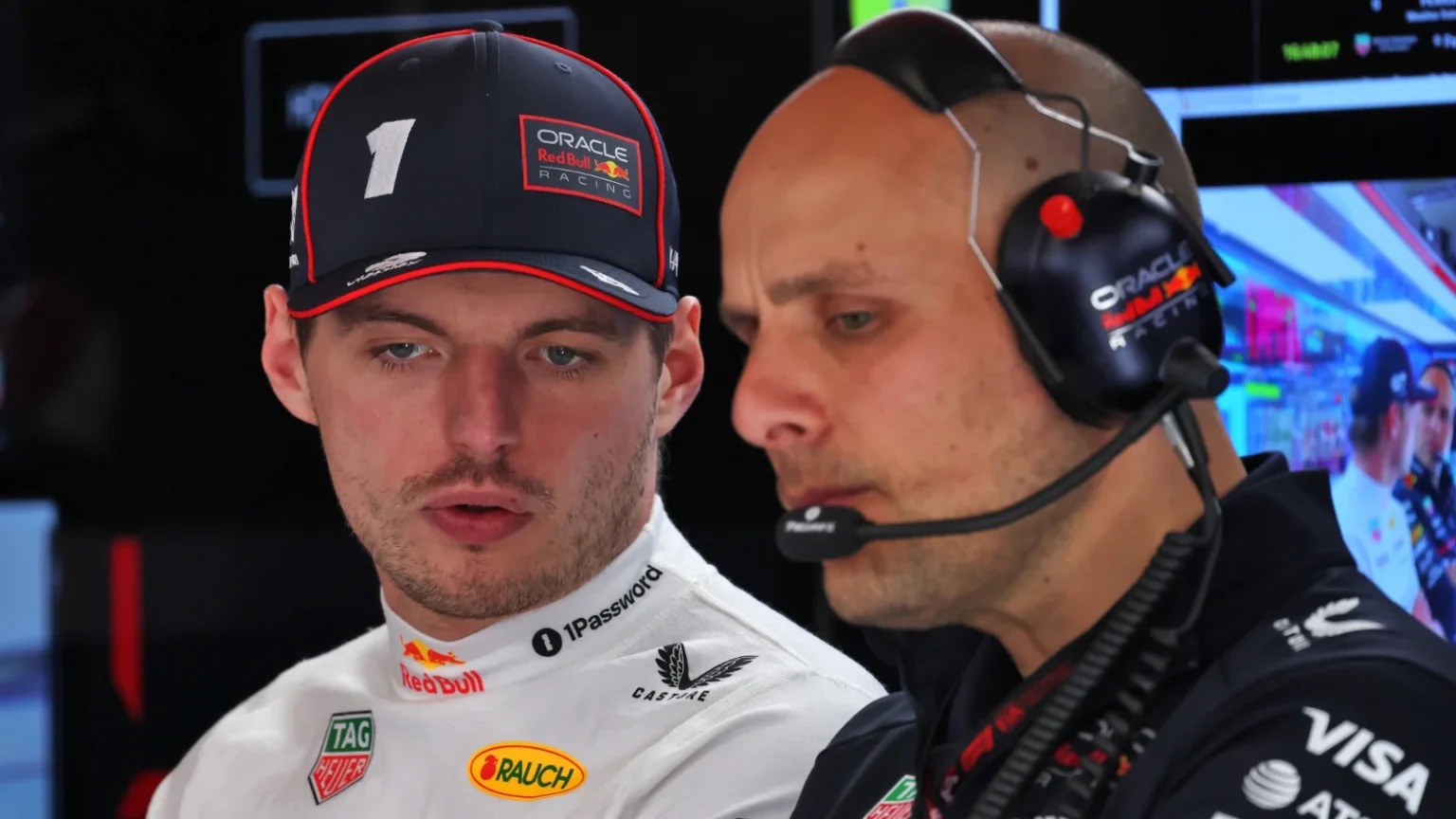
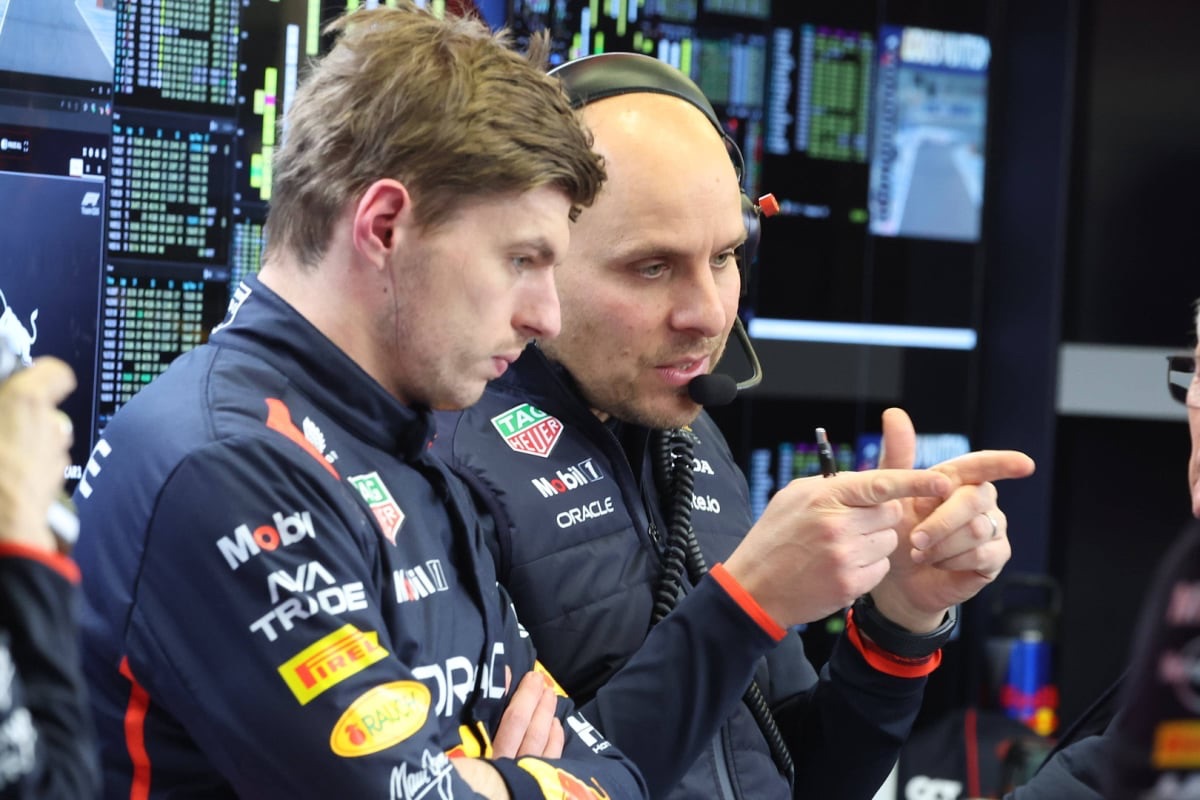
Red Bull Racing has acknowledged that its upcoming 2026 Formula 1 challenger, the RB22, is facing early development hurdles as the sport approaches one of the biggest technical rule resets in its history. The team’s technical director, Pierre Waché, has confirmed that vehicle weight is currently one of the most difficult targets to meet, highlighting how demanding the new regulations have become for constructors across the grid.
The 2026 season will introduce a sweeping overhaul of both chassis and power unit rules in Formula 1. The updated framework is intended to push the championship toward greater sustainability, improved efficiency, and more dynamic racing. Hybrid systems will play a larger role than ever before, with expanded electrical energy deployment and revised aerodynamic concepts designed to support closer on-track competition. Because of this, teams are being forced to redesign nearly every major system of their cars, including aerodynamics, structural layout, cooling architecture, and energy recovery integration.
Such a fundamental rule shift inevitably creates technical friction, and weight control has quickly emerged as a central concern. The new rules set by the Fédération Internationale de l’Automobile lower the minimum car weight compared with the previous generation. While that might appear beneficial for performance on paper, engineers are finding it difficult in practice because the new cars incorporate more advanced hybrid elements and complex supporting hardware. These additions can increase baseline mass, leaving teams fighting to shed kilograms without weakening reliability or safety margins.
In modern F1 engineering, even marginal weight differences can translate directly into lap time gains or losses. A few extra kilograms can affect tire wear, braking performance, and cornering speed over a race distance. To stay competitive, teams must carefully balance structural robustness with aggressive light-weighting strategies. That balancing act often requires difficult compromises in materials, packaging, and component design. Waché has indicated that the RB22 is presently above the ideal weight window, though he emphasized that this is not an isolated issue unique to his organization.
According to him, multiple teams throughout the paddock are encountering similar challenges as they adapt to the new formula. Early prototypes tend to prioritize durability, packaging feasibility, and system reliability. Only after these fundamentals are proven do teams typically begin an intensive phase of weight reduction, shaving excess mass through refined manufacturing techniques and revised component designs. This phased approach has been seen before during previous regulation resets.
A comparable pattern occurred during the last major aerodynamic rule change cycle, when several leading cars initially appeared heavier than desired but improved significantly as development progressed. Red Bull itself experienced that situation in the early ground-effect era, ultimately overcoming initial weight disadvantages to build a highly competitive package. The current project follows a similar trajectory, with engineers expecting progressive gains as understanding of the new platform improves.
An additional layer of complexity for the 2026 car is the power unit program. For the first time, Red Bull’s engine will be produced internally through its own division, Red Bull Powertrains, working in collaboration with Ford. This marks a major strategic shift after years of relying on external suppliers such as Honda and Renault. Designing and integrating a completely new power unit under fresh regulations — while also finalizing a new chassis concept — significantly increases the technical workload and risk profile. Packaging, cooling, and energy deployment systems must all work seamlessly together, which can influence overall vehicle mass and layout efficiency.
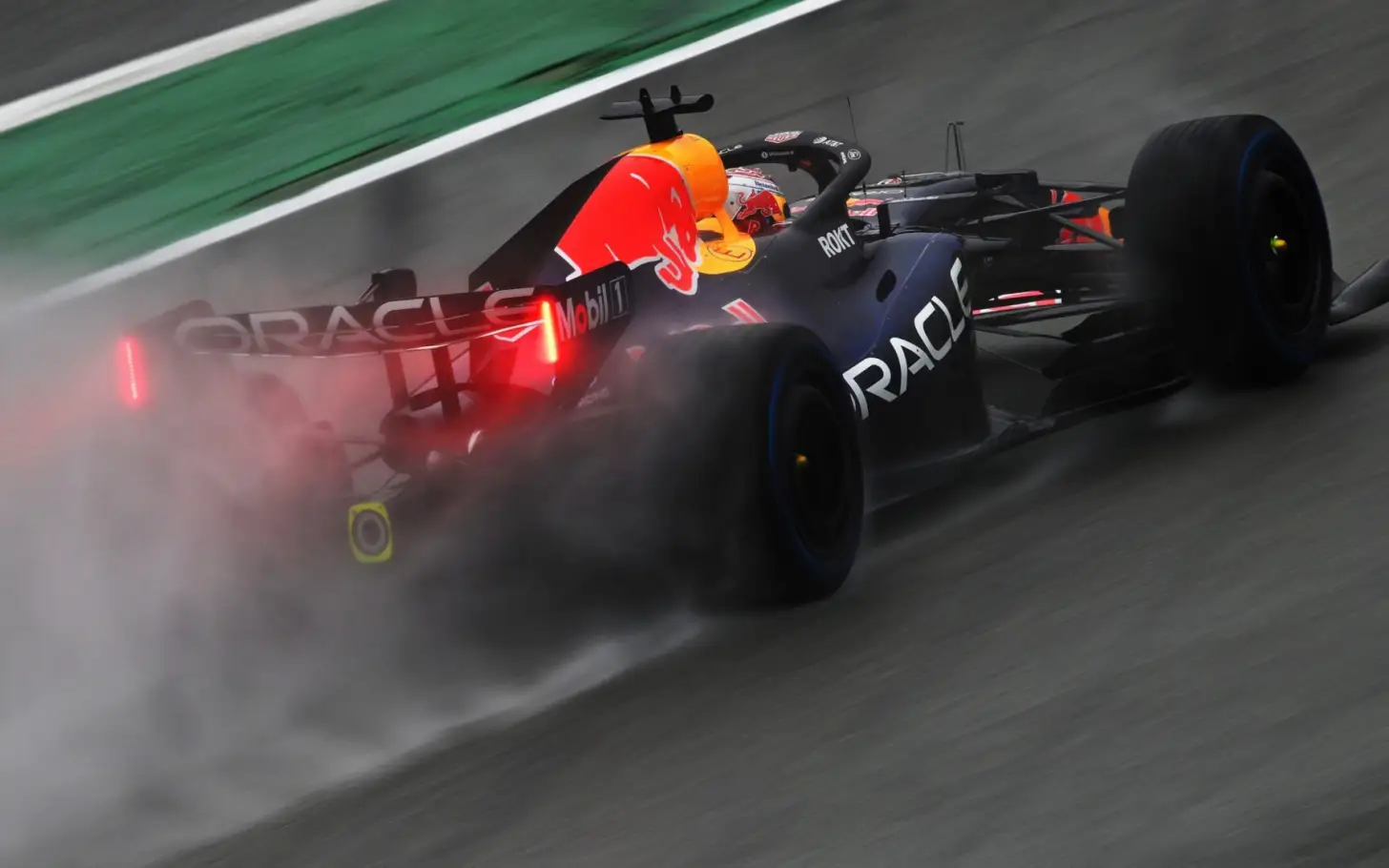
Despite the weight concerns, early running has not revealed major reliability weaknesses relative to competitors. Initial pre-season testing in Bahrain showed that the RB22 was capable of completing extended runs without critical failures. Long-run consistency remains a priority at this stage, as teams focus on data collection and system validation before chasing ultimate performance figures. Stable mileage in testing is often considered more valuable than outright speed during the first outings of a new rules era.
Driver feedback has also drawn attention. Reigning champion Max Verstappen has spoken candidly about the feel of the new-generation machinery, suggesting that the driving experience is less engaging than previous F1 cars. He has pointed to the heavier emphasis on energy management and hybrid deployment as changing the character of how the cars behave on track, at times comparing the sensation to more electrically focused racing categories. While such remarks reflect personal preference, they underline how dramatically the technical direction of the sport is evolving.
Overall, Red Bull’s situation illustrates a broader trend across the grid: the 2026 reset is forcing every constructor into tough engineering trade-offs. Weight targets, hybrid complexity, and new aerodynamic philosophies are colliding at once. Although early versions of the cars may not yet meet ideal performance metrics, history suggests rapid development gains are likely as teams refine their concepts. The RB22’s current excess weight is therefore seen internally as a challenge — but not an unexpected one — in the opening phase of a new Formula 1 era.