Red Bull’s Bold Pre-Season Strategy: A Deep Dive into Their Barcelona Testing Plan
As the 2026 Formula 1 season prepares to kick off, the paddock buzz isn’t just about brand-new cars or driver line-ups — it’s also about tyres. Since Pirelli, the sport’s exclusive tyre supplier, released the compound allocations for the first round of pre-season testing at the Circuit de Barcelona-Catalunya, there’s been plenty of discussion about what each team’s choices reveal about their strategies and priorities. At the centre of that conversation is Red Bull Racing’s exceptionally aggressive tyre plan — and it’s got many in the F1 world sitting up and taking notice.
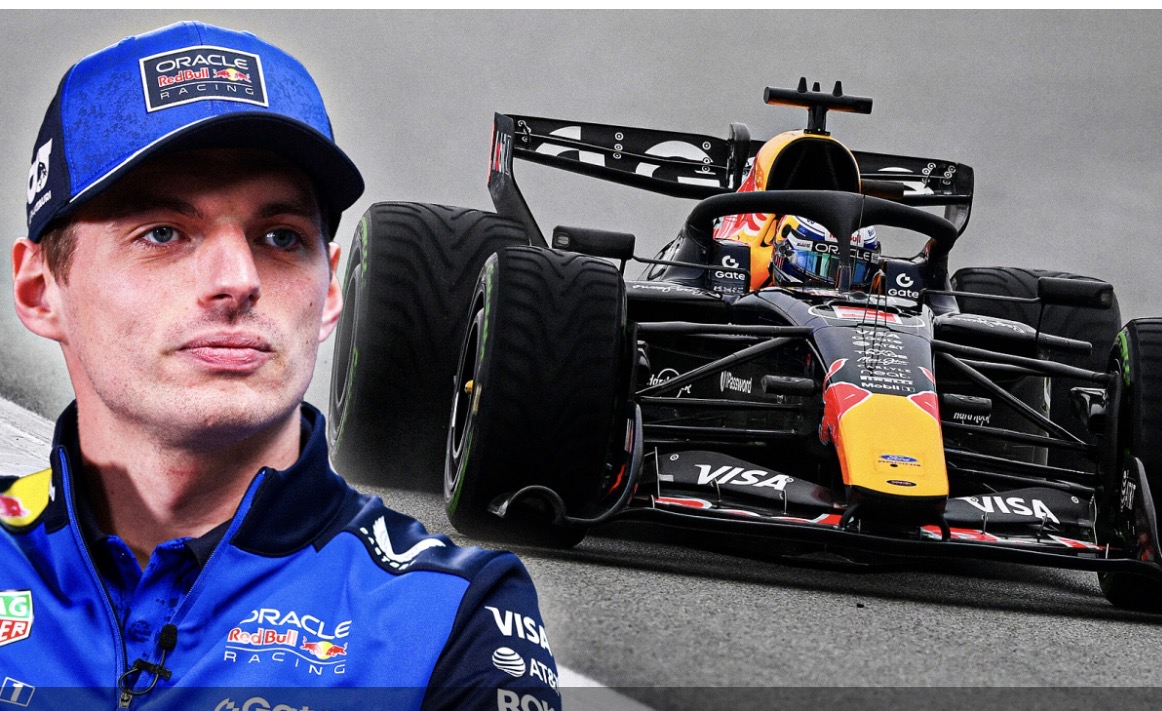
Red Bull’s approach stands out from nearly every other team because of how heavily they’ve invested in soft compound tyres for the upcoming test. In total, the team has brought a staggering 18 sets of C3 soft tyres along with just one set of medium rubber for the five-day Barcelona session. By contrast, there are no hard tyres in their allocation at all — a choice that is anything but conservative.
In Formula 1, tyre compounds matter greatly. The softer the compound, the quicker it heats up, the more grip it typically produces, and the faster a lap time can be. However, that grip often comes at the cost of increased wear and degradation over distance. Harder tyres, on the other hand, may take longer to reach peak temperature, but they’re more durable and better suited to longer runs. Teams usually balance their allocations to gather a mix of data — from outright pace to long-distance performance — but Red Bull’s decision to focus almost exclusively on soft rubber suggests something different is on their mind.
Why Choose Softs? Understanding the Logic Behind Red Bull’s Allocation
There are a few likely reasons that explain why Red Bull has gone “all-in” on the soft tyre option — and they all point toward particular priorities as they head into the first real running of the 2026 specification cars.
First and perhaps most straightforwardly, focusing on soft tyres lets the squad gather a lot of high-performance, high-resolution data right away. The C3 compound heats up quickly and delivers maximum grip in cooler conditions — and Barcelona’s winter ambient temperatures are often on the cooler side. This makes softs a logical choice for understanding how the car behaves right at the limit of grip. Red Bull will be able to see how the car reacts during qualifying-style laps as well as shorter stints that push the tyres hard.
Gathering this kind of data early can be especially useful when teams are still getting accustomed to radical changes in car design and aerodynamics. It helps engineers understand how quickly tyres come up to temperature, how the car’s balance shifts as grip increases, and how different chassis and aero settings affect overall performance. By loading up on softs, Red Bull is essentially saying: “We want as much performance insight right away as possible.”
There’s also a clue in the fact that the team has only brought one set of mediums. Rather than focusing on durability or long-run testing, Red Bull seems primarily interested in peak performance windows and how the tyres interface with their car in those conditions. With 18 sets of soft rubber to play with, the team can repeat similar performance runs, isolate variables, and compare key metrics without distraction. For a squad always keen to extract a competitive edge from detailed data analysis, this data-first mindset makes sense.
How Red Bull’s Strategy Compares to Rivals
Of course, Red Bull isn’t the only team thinking carefully about tyre use in Barcelona — but they are the most extreme in their approach.
For example, Mercedes has taken almost the opposite route in its tyre allocation. According to Pirelli’s published numbers, Mercedes has opted for a greater number of hard tyres — eight sets of C1 compounds — and a complementary stock of softer rubber. This suggests a heavier emphasis on long-run durability, consistency, and race-pace data. Gathering insights on how the car behaves over extended distances can be crucial for understanding fuel usage, thermal degradation, and reliability — and Mercedes appears to be placing a stronger initial focus here.
Ferrari and other midfield teams, meanwhile, have chosen more balanced portfolios with a mix of hards, mediums, and softs. This more traditional approach allows them to gather broad insights across a variety of scenarios. Compared with Red Bull’s almost “tunnel-vision” approach on soft tyre performance, these plans appear more versatile, albeit less targeted.
What This Might Mean for Red Bull’s Early Season Ambitions
Red Bull’s aggressive soft tyre strategy doesn’t just tell us about tyre preferences — it also hints at their competitive mindset as the season dawns.
By prioritizing soft tyre performance, the team could be signaling confidence in the fundamental design of their car. If they believe their new machine is already close to optimum performance, it makes sense to emphasize gathering data that highlights strengths and confirms areas that need refinement. This approach could accelerate development and reduce uncertainty early in the season.
There’s also a strategic element: data collected on soft tyre performance is often directly transferable to qualifying simulations and early race pace projections. If Red Bull can understand how their car behaves when driven close to the limit, they can better shape setups for both qualifying and race strategy, possibly gaining an early edge in the first few races of the campaign.
Of course, there’s risk involved. Soft tyres can wear out quickly if the car or track conditions aren’t ideal, and not having a broader variety of compounds could limit Red Bull’s ability to test how the car performs on harder, longer-lasting rubber. But given the team’s history of meticulous preparation and engineering depth, it’s reasonable to assume they’ve made this choice informed by simulation data and internal confidence.
Final Thoughts
Red Bull’s aggressive tyre allocation for the 2026 Barcelona pre-season test is one of the most talked-about tactical decisions of the build-up to the new Formula 1 season. By choosing to focus overwhelmingly on soft tyres, they’re positioning themselves to extract high-value data on performance limits and tyre behaviour — a decision that reflects both ambition and confidence.
While other teams have adopted more diversified strategies, Red Bull’s all-soft approach will likely provide them with precise performance insights early on, helping guide development decisions and race preparation as 2026 gets underway. With the first official test now in motion, it won’t be long before we start to see just how effective this bold tactic proves to be when the rubber hits the road.