What happened — a brief background
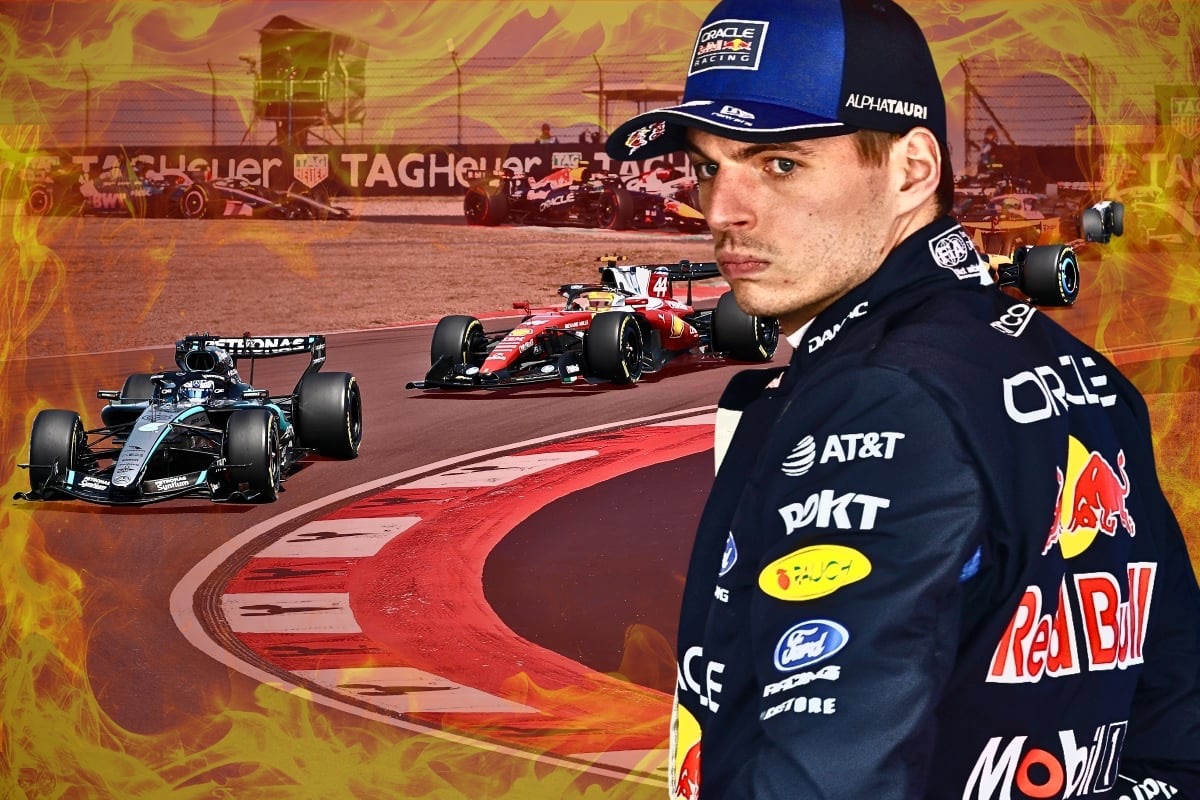
In the closing laps of the 2025 season, just before the finale in Abu Dhabi, the penultimate race, the 2025 Qatar Grand Prix, shaped up to carry huge consequences for the championship battle. During that race, young Mercedes driver Andrea Kimi Antonelli made a mistake while battling for position, and as a result, he lost track position — allowing title-contender Lando Norris (from McLaren) to slip past and take fourth place. That extra result awarded Norris two precious points.
Those two points turned out to matter: after the final race in Abu Dhabi, Norris clinched the world championship by just a two-point margin over Verstappen — even though Verstappen won that last race.
Because Antonelli’s mistake had effectively shifted the balance in Norris’s favour, many blamed him for “costing” Verstappen the title. The criticism quickly escalated — especially on social media. Antonelli was subjected to a torrent of hateful messages, including death threats. According to reports, his social-media profiles were flooded with more than 1,100 “severe or suspect comments.”
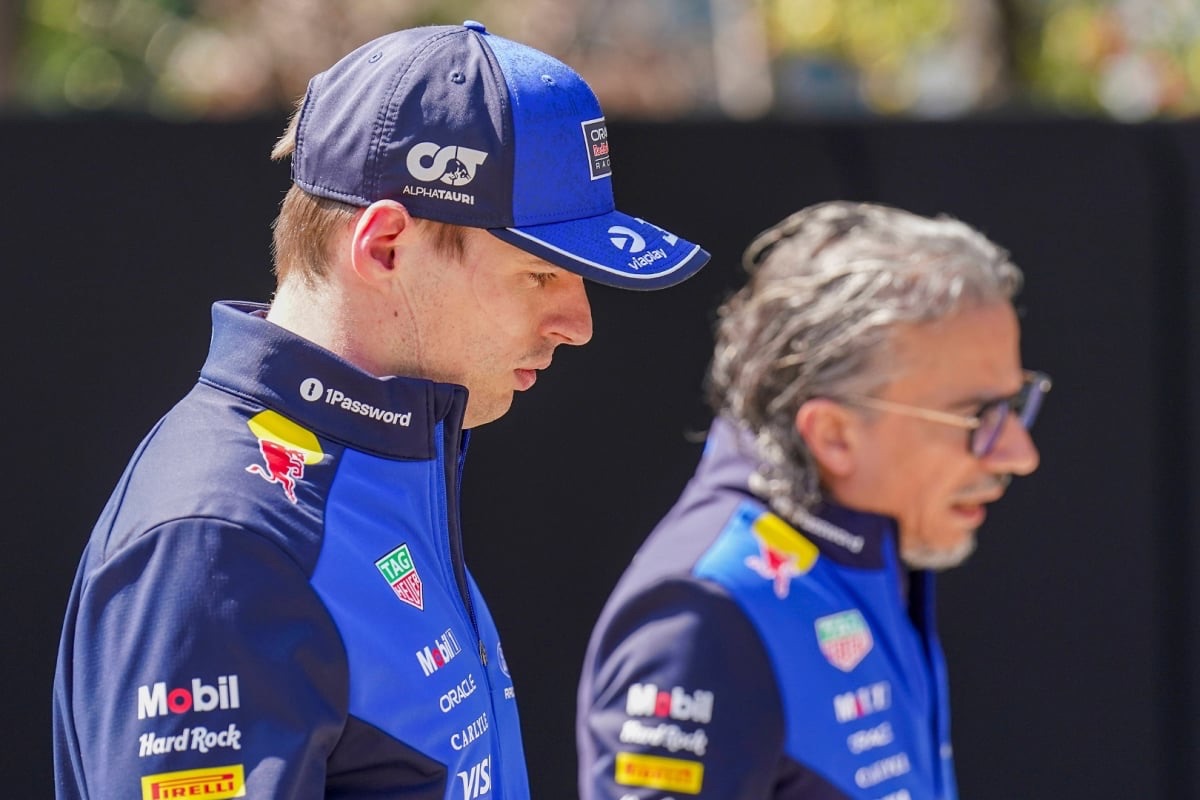
Initially, within hours after the race, members of the camp around Red Bull — notably race engineer Gianpiero Lambiase and senior advisor Helmut Marko — publicly suggested that Antonelli had “waved past” Norris deliberately. These comments stirred huge backlash. The leadership and major figures in F1 condemned such insinuations, calling them unfounded. One of them described the remarks as “brainless.”
Faced with mounting criticism and the real possibility that their words had triggered serious abuse toward a young driver, Red Bull eventually issued a public apology. They admitted their earlier assertion was “incorrect” and expressed “sincere regret” for the fallout.
Antonelli’s apology to Verstappen in Abu Dhabi
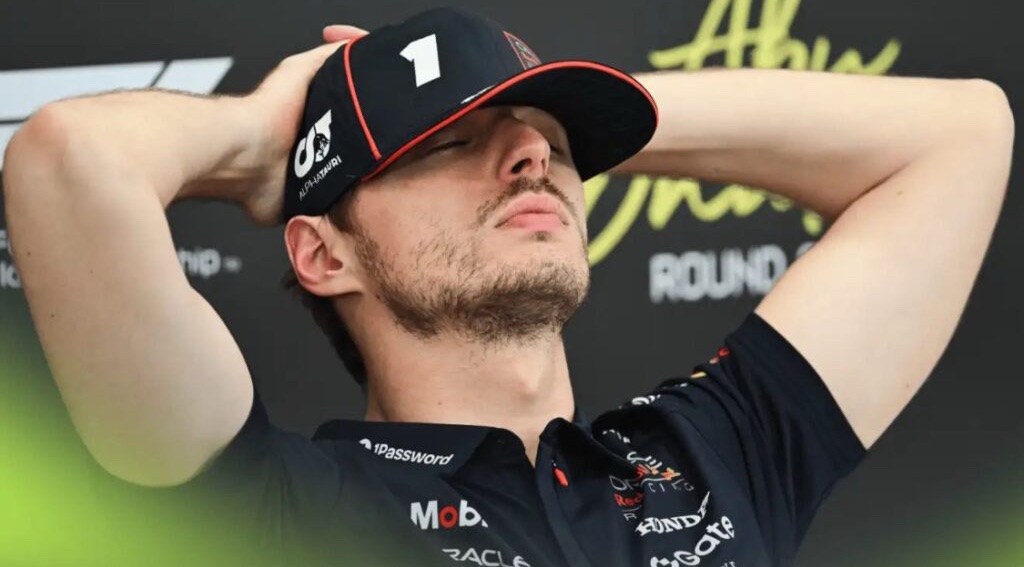
After the championship was decided at the Abu Dhabi Grand Prix, and with the shockwaves of the Qatar incident still lingering, Antonelli approached Verstappen in the media pen. In what became a widely covered and emotionally charged moment, the young Italian driver offered a heartfelt apology: “Sorry about last week.”
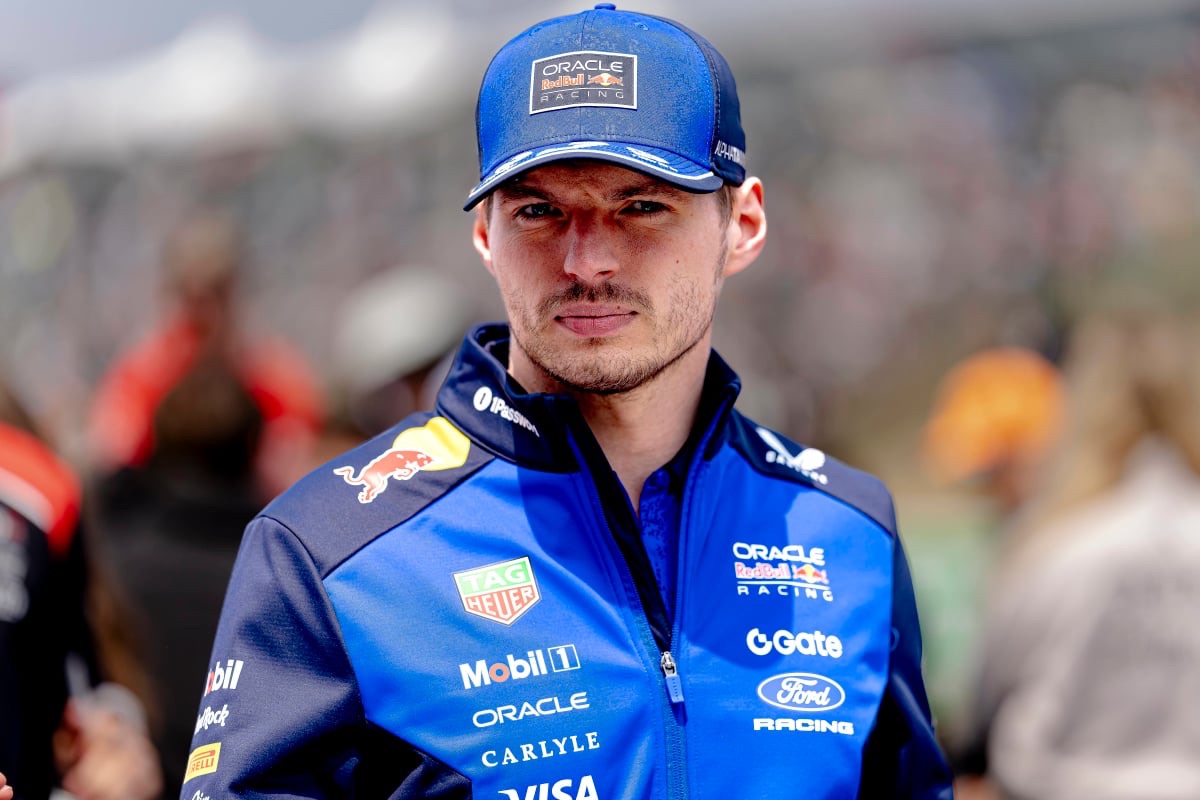
Verstappen’s reaction was gracious and calm. He responded simply: “Mate, don’t. It’s all good. It’s all good.” The two shook hands and embraced, indicating no lingering animosity between them despite the season’s dramatic turn of events.
According to additional reporting, Red Bull and Antonelli’s own team radio during the Abu Dhabi weekend revealed what happened behind the scenes. During a post-race check-in, Antonelli asked his race engineer at Mercedes-AMG Petronas Formula One Team how much Verstappen had lost the championship by. When informed that Norris had won by two points, Antonelli remained silent.
Some took this as a sign of how heavy the burden was for the 19-year-old — not just about the on-track mistake, but about the weight of public scrutiny, abuse, and the massive stakes of a championship fight.
Context: the abuse, and the aftermath
It’s important to understand just how severe the aftermath was. After the Qatar race, Antonelli faced a torrent of abuse online. The content was so disturbing that it included death threats and horrific messages. Reports indicate his social media was inundated with hateful comments — a spike of around 1100% in hateful messages on Mercedes-linked channels was recorded.
In light of that, and given the incorrect public statements that sparked the abuse, Red Bull — which had earlier allowed its senior figures to voice speculation that Antonelli had intentionally let Norris pass — issued a full apology. They admitted that the suggestion was wrong, and that they regretted their role in the escalation of harassment.
Antonelli later said that he appreciated the support from multiple people, including Verstappen and Lambiase, who reached out to him directly. He said their words helped him “forget what happened” and focus on the final race weekend.
He acknowledged that what he got was harsh: “It was not easy to get those comments after the race, especially for something that I would never do, waving past a competitor.” He clarified that his mistake was just that — a mistake: after many laps in dirty air, pushing hard to catch up and get into DRS on rival driver Carlos Sainz, the tyres gave up, he lost rear grip and went off. He insisted he was fighting for P3, not colluding with Norris.
Why this apology matters — beyond just that moment
At first glance, Antonelli’s apology might seem like a simple “sorry for the mistake.” But given the context — the championship implications, the public outcry, the social media storm, the death threats — the exchange between the two drivers after the Abu Dhabi race carried much deeper significance.
It showed sportsmanship and class: Verstappen’s calm acceptance of the apology — even though it was arguably Antonelli’s error that influenced the championship outcome — underlined that sometimes in sport, human decency should come before championship drama. The handshake and embrace symbolized respect between competitors, even in a high-stakes final. It mitigated the toxicity around a young driver: The apology, coupled with Red Bull’s public retraction and regret, helped to deescalate the situation. The wrongly sparked wave of abuse — including threats — may not have been erased, but the official acknowledgment hopefully signalled to fans and trolls alike that speculation and blame games can have serious real-world consequences. It exposed the risks of quick reactions in the heat of competition: The incident underscores how dangerous it can be for team officials or commentators to publicly throw around insinuations — particularly under pressure. A premature assumption about Antonelli “letting Norris through” triggered a backlash that affected not only his mental health but his sense of identity and belonging in the paddock. The apology served as a caution: words carry weight. It humanizes the drivers beyond the helmet: Both Antonelli and Verstappen showed vulnerability — Antonelli admitting his guilt, and Verstappen accepting it with empathy. That was powerful. Given the often adversarial image of top-level sport, this moment reminded fans that athletes are human beings first.
What this means for the 2025 season and legacy
For 2025, the final result stands: despite winning the last race, Verstappen lost the championship by the slimmest of margins — two points — to Norris. But it wasn’t just about what happened at Abu Dhabi. The outcome was shaped by many variables: midseason struggles, points lost by Verstappen earlier, team strategies, and yes — among those, the mistake by a young rookie in Qatar.
Still, the apology moment complicates simple narratives of “blame.” While some may argue Antonelli cost Verstappen the championship, the deeper story is one about respect, redemption, responsibility, and mental health in the high-pressure world of Formula 1.
In the media pen at Yas Marina, two drivers — despite all that had happened — shook hands and walked away. In a sport often defined by rivalries, politics, and stakes measured in millions, that handshake spoke louder than any contentious radio message or post-race comment.
For Antonelli, even if the season didn’t end as he might’ve hoped, the public apology and the understanding shown by his peers might help restore his confidence. For Verstappen and others in the paddock, it was a reminder: real people — especially young drivers — deserve more patience, more empathy, more humanity.