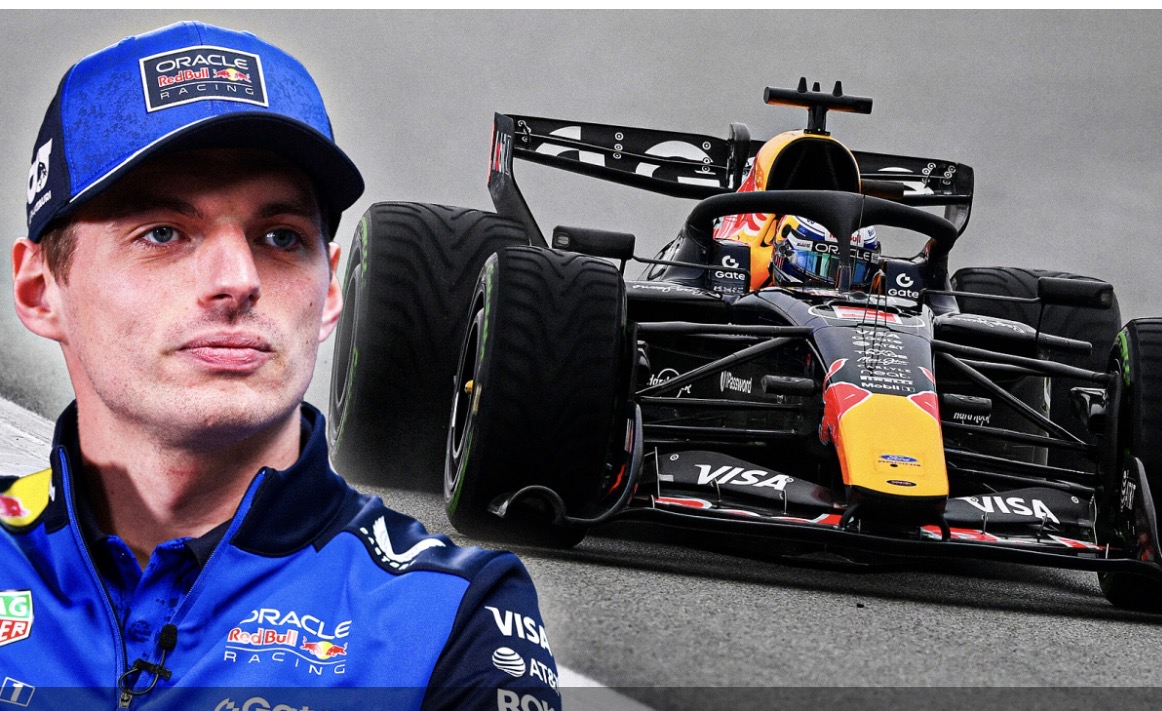
Verstappen Sets Clear Retirement Benchmark Amid Fierce Criticism of F1’s 2026 Cars
Four-time Formula 1 world champion Max Verstappen has outlined the conditions under which he would consider walking away from the sport, following his outspoken criticism of Formula 1’s sweeping 2026 regulation changes.
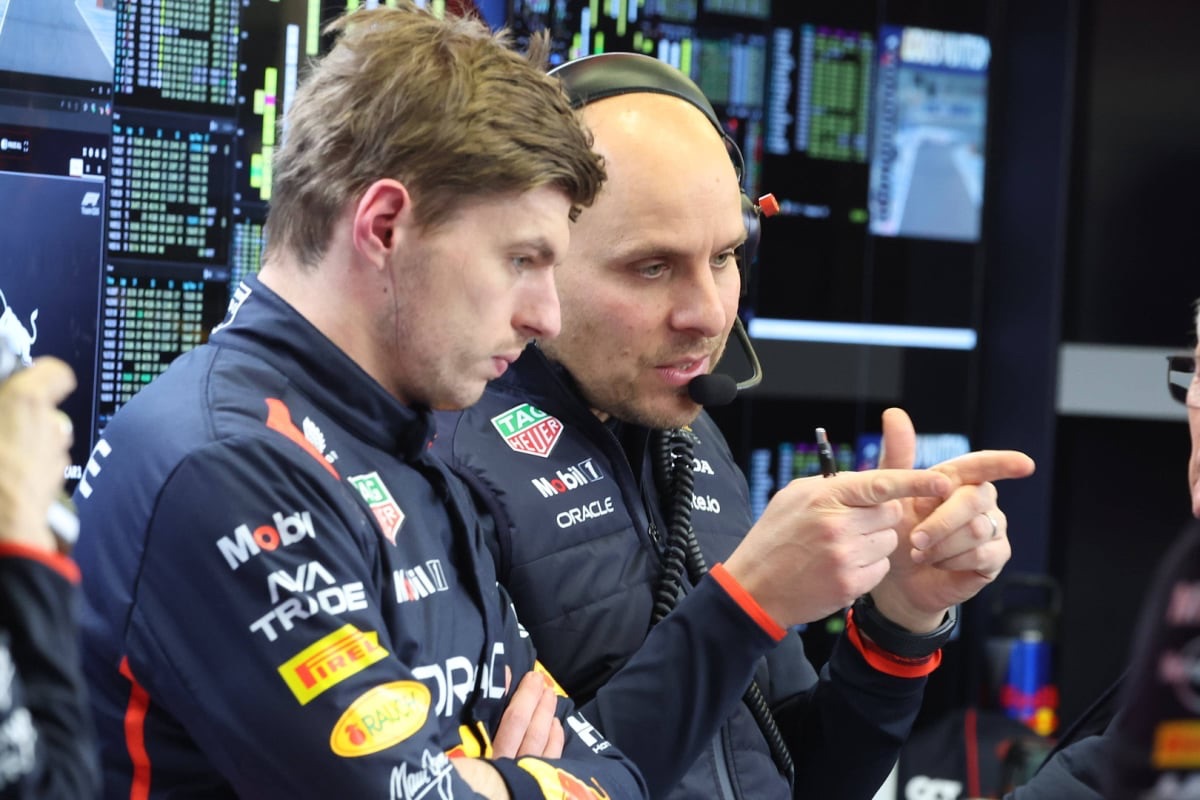
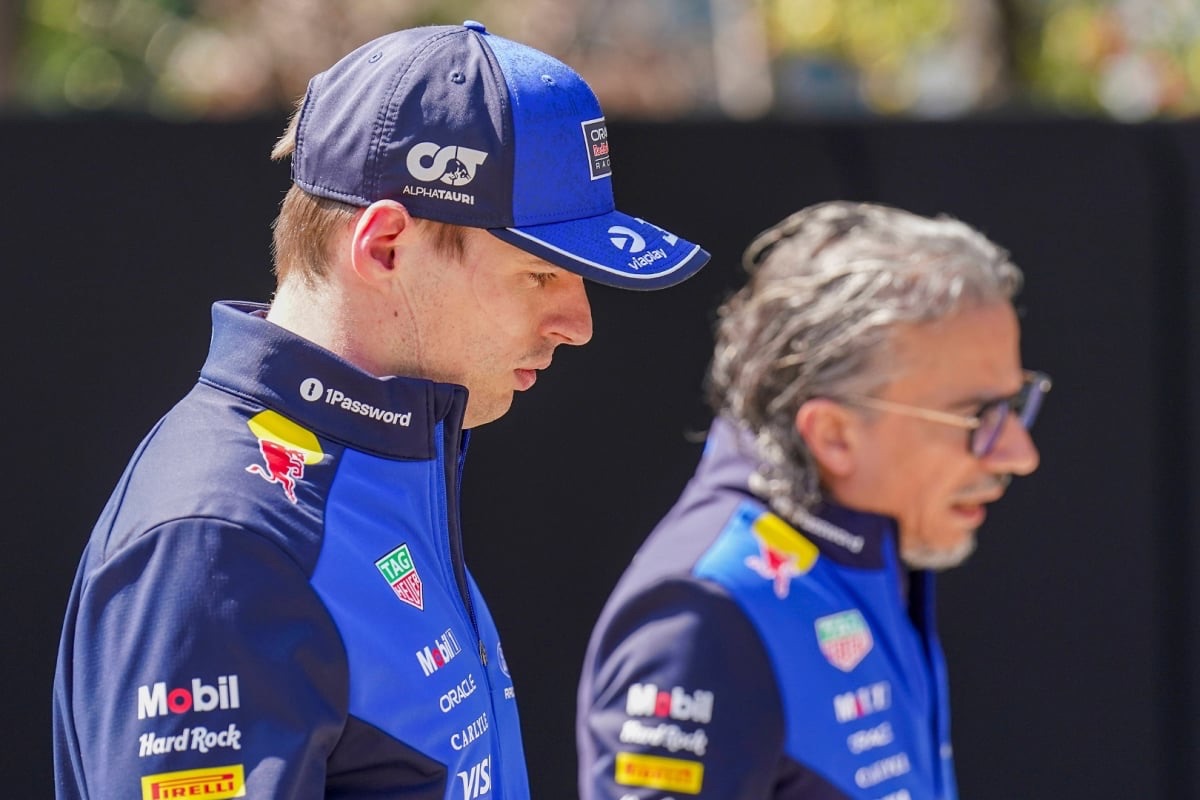
The Dutch star has not held back in voicing his dissatisfaction with the next generation of F1 machinery. After completing laps during pre-season testing in Bahrain, Verstappen described the new cars as his “least favourite” of his career so far. With the season-opening Australian Grand Prix just weeks away, his blunt assessments have kept F1 leadership — including CEO Stefano Domenicali — firmly in the spotlight.
At the heart of Verstappen’s frustration are the significant changes to both chassis and power unit regulations introduced for 2026. The overhaul increases electrical power deployment and alters the driving dynamics considerably. Verstappen compared the feel of the new cars to “Formula E on steroids,” suggesting that the balance between traditional combustion power and electric energy recovery has shifted too far for his liking.
For a driver renowned for his raw speed and instinctive control, the added complexity of managing energy systems and altered aerodynamics appears to have diminished some of the driving satisfaction he values most. His remarks sparked speculation throughout the paddock that he could contemplate an early exit if the new era fails to inspire him.
However, despite the wave of concern triggered by his comments, Verstappen has now clarified that retirement is far from imminent.
Speaking to Dutch outlet De Telegraaf in Bahrain, the 28-year-old explained that it would take an extreme downturn in circumstances for him to seriously consider stepping away from Formula 1.
“Everything would have to turn out very negatively for that to happen,” Verstappen said. “But that’s not the case. I’m just going to keep going.”
His words offer reassurance not only to fans but also to his team, Red Bull Racing, where he remains under contract until the end of 2028. Although contracts in F1 are often subject to performance clauses and shifting dynamics, Verstappen insisted that disliking certain elements of the regulations does not equate to losing motivation altogether.
“If I don’t like something, it doesn’t mean I don’t want to do it,” he explained. “As a purist or car enthusiast, would I have preferred different regulations? Yes. But I also know that this is how it is and that I always want to get the most out of it.”
That mindset reflects the competitive drive that has defined Verstappen’s career. Since claiming his first world title in 2021, he has established himself as one of the dominant forces of the modern era, combining relentless consistency with outright pace. His competitive instinct appears unlikely to fade simply because the technical formula has evolved in a direction he personally finds less appealing.
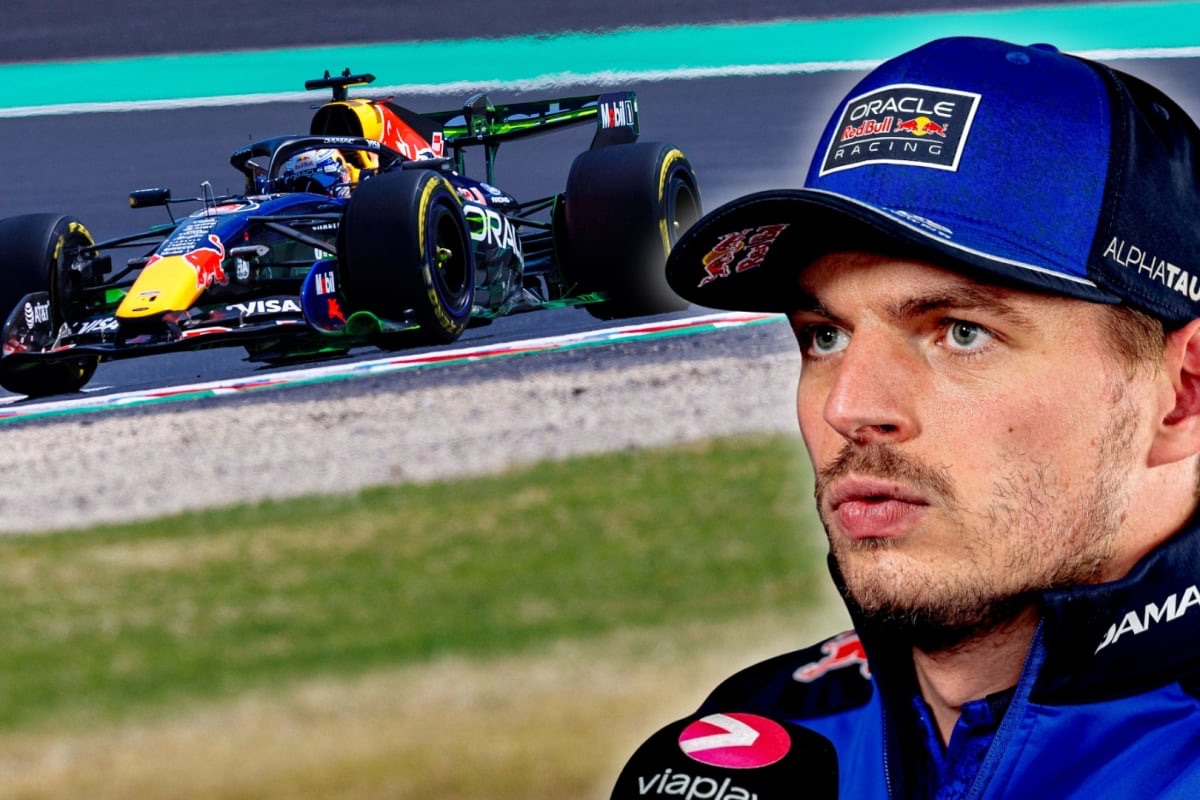
Another factor strengthening his commitment is Red Bull’s ambitious engine project. From 2026, the team will introduce its own power unit through Red Bull Powertrains, marking a significant new chapter for the Milton Keynes-based outfit. Verstappen highlighted this development as one of the positives of the new era.
“I also really enjoy working with everyone here and now having our own engine,” he said. “So there are nice things too.”
The in-house engine program represents both a challenge and an opportunity — one that could cement Verstappen’s legacy if successful. Being part of a team that transitions into full manufacturer status carries a sense of long-term vision, something that may outweigh his reservations about the cars themselves.
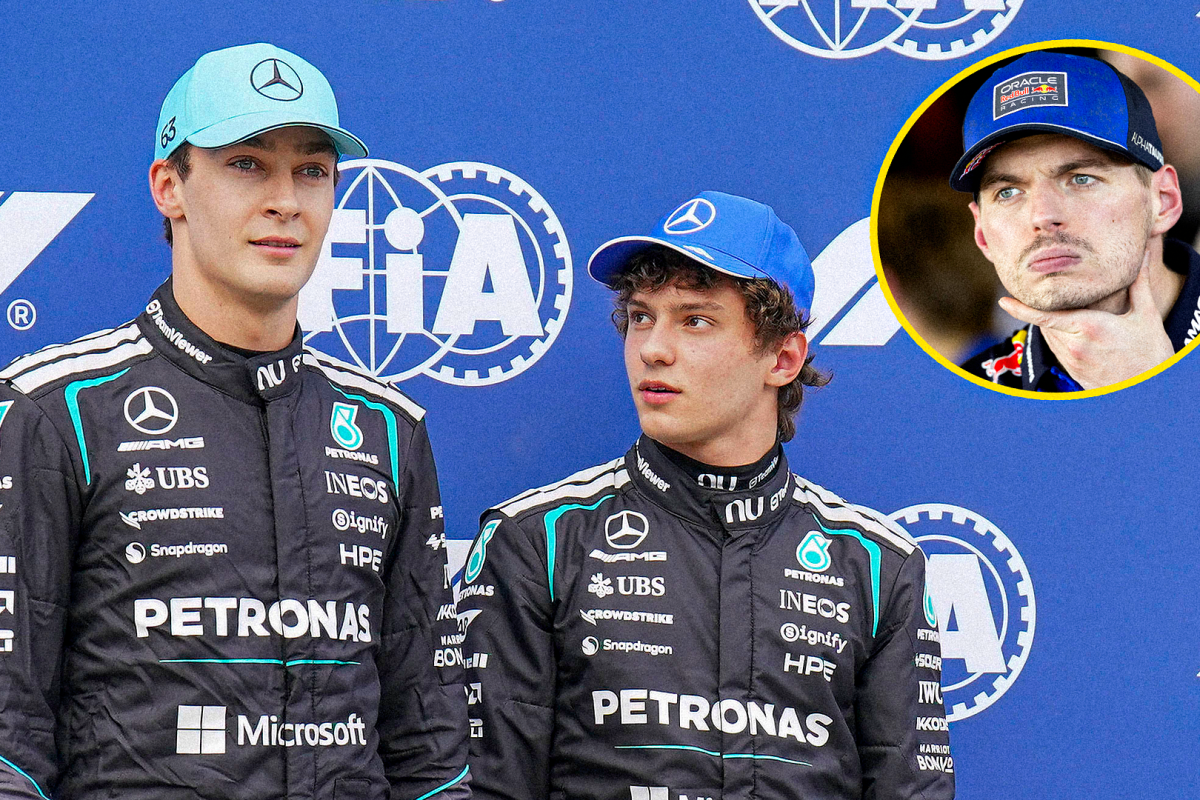
While rumors previously linked Verstappen to potential talks with Mercedes, he has consistently reaffirmed his commitment to Red Bull in the near term. Any decision about his future, he suggests, would depend not merely on technical dissatisfaction but on whether the broader experience of competing in Formula 1 remains fulfilling.
For now, Verstappen’s message is clear: criticism does not equal surrender. The 2026 regulations may not align with his personal preference as a driving purist, but they are not enough to push him toward the exit door. Only a scenario in which “everything” turns overwhelmingly negative would prompt serious consideration of retirement.
As the new season approaches, Verstappen appears ready to channel his frustration into performance. If history is any guide, doubts about machinery often serve as fuel for his competitive fire rather than a signal of retreat.