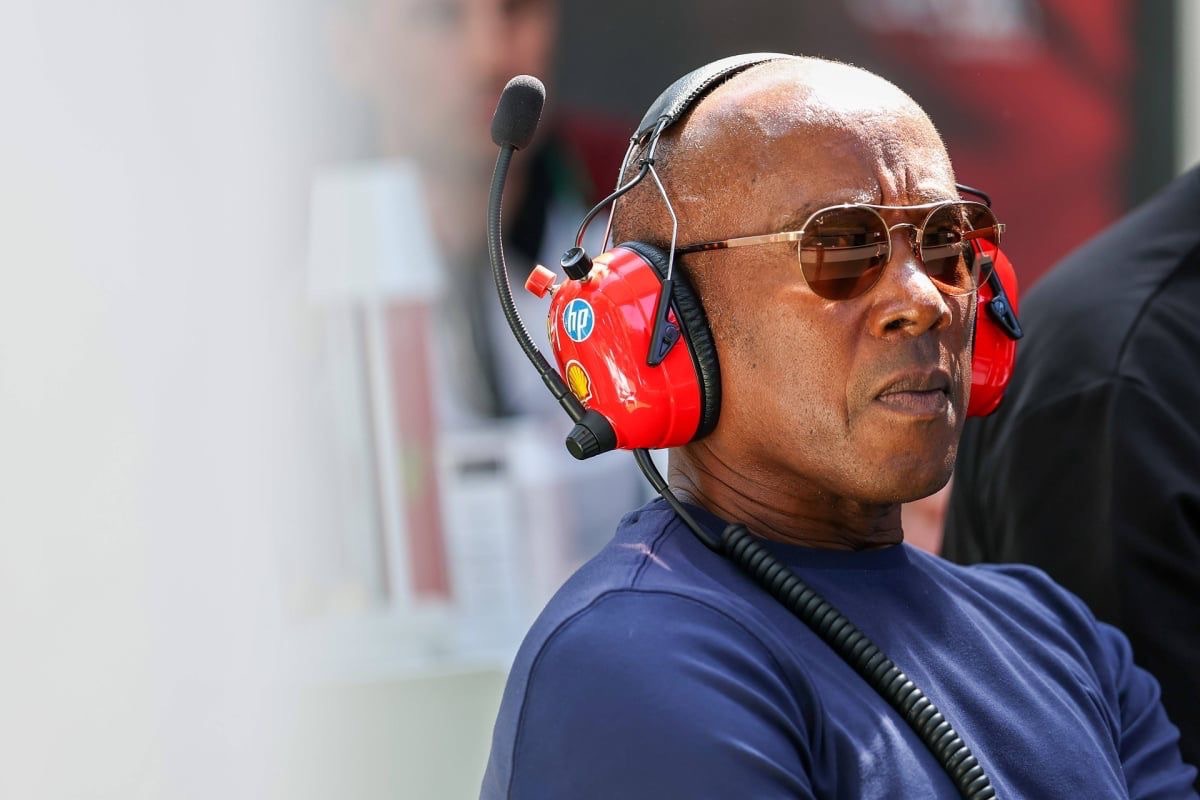
In a move that has reverberated across the motorsport world, Anthony Hamilton, the father of seven-time Formula 1 World Champion Lewis Hamilton, has unveiled a bold and ambitious racing project that aims to reshape the future of competitive motorsports. The announcement—made public at the start of January 2026—marks a significant shift not only for the Hamilton family but for fans, drivers, and industry insiders alike who have long debated the direction of racing in an age of increasing electrification and regulatory change.
For decades, Formula 1 has stood as the premier global stage for elite open-wheel racing, blending cutting-edge technology with world-class driver skill. Yet, in recent years, many purists have argued that the sport has sacrificed emotional intensity and visceral spectacle for the sake of sustainability and cost controls. Central to those debates has been the transition away from the thunderous, high-pitched V10 and V12 internal combustion engines that once defined F1’s character. The shift toward hybrid power units and quieter engines has attracted significant investment and aligns with broader environmental goals, but it has also prompted questions about whether the sport is losing some of its traditional allure.
Into this landscape steps Anthony Hamilton with HybridV10, a newly launched motorsport series that he describes as “a return to authentic racing.” The name itself evokes nostalgia for a bygone era of motorsport—the period when naturally aspirated V10 engines reigned supreme, delivering not just blistering speed but a depth of sound and emotional connection that many fans still reminisce about. Unlike Formula 1’s current power units, which rely heavily on hybrid systems and stringent efficiency mandates, the HybridV10 concept promises to blend modern hybrid technology with the classic roar and drama of the V10 era, creating an experience that appeals to both new spectators and long-time enthusiasts.
In his announcement accompanying the launch of the series’ official Instagram page, Anthony Hamilton laid out a vision that goes beyond simply putting cars on a racetrack. According to the statement, HybridV10 is intended to be more of a “global motorsport festival”—a series that intertwines competitive single-seater racing with cultural and technological showcases, fan engagement, and festival-style events that take place in major cities around the world. The overarching goal, Hamilton says, is to create a racing experience that is both accessible and deeply emotional, reintroducing elements of speed, authenticity, and drama that today’s high-technology racing sometimes seems to lack.
Central to the HybridV10 ethos is the emphasis on accessibility and opportunity. Motorsport at elite levels has become increasingly expensive and technically complicated, often leaving smaller teams or emerging talent at a disadvantage. Anthony Hamilton’s project aims to challenge that trend by keeping competition direct and cost-conscious, structuring rules and costs to provide a more level playing field for emerging drivers and independent teams alike. In doing so, he hopes to “restore emotion, innovation, and opportunity to the sport in a modern, open, and transparent way,” he said in the announcement.
This vision resonates at a moment when Formula 1 itself is undergoing one of the most dramatic transformations in its history. The current era of hybrid engines—introduced in 2014—will soon give way to an even more electrified and sustainable configuration by 2026, with new rules mandating 50:50 splits between electric output and combustion engine performance and the use of 100 percent sustainable fuels. These shifts are designed to keep F1 relevant in a rapidly evolving automotive landscape, attracting major manufacturers and aligning with global climate goals. Yet they have also reignited debate within the fan community about where to draw the line between progress and preserving the soul of racing.
The timing of HybridV10’s launch reflects this tension perfectly. While Formula 1 and other top-tier series push forward with electrification and sustainability, Hamilton’s effort seeks to capture the excitement and drama of a more visceral form of racing, one that is intensely sensory and deeply rooted in motorsport’s storied traditions. By blending the old with the new—namely, the emotional spectacle of V10-style engines with the practicality and forward thinking of hybrid technology—HybridV10 hopes to forge a unique identity in a crowded motorsport ecosystem.
Beyond the technical and cultural implications, the project also underscores Anthony Hamilton’s ongoing influence in the racing world. Long known as the father and early manager of Lewis Hamilton—helping nurture his son’s career from karting through to Formula 1 superstardom—Anthony has remained a respected figure within motorsport circles, often advocating for talent development and broader access to the sport. His involvement with the FIA’s Young Driver Development Programme further underscores his commitment to fostering new generations of racers and shaping the future of competitive driving.
Yet what makes this announcement particularly noteworthy is not just the launch of a new racing series, but the way in which it taps into broader conversations about identity, heritage, and the future of sport. In an era where technological innovation often pushes spectators to the outskirts of the experience, HybridV10 seeks to put the fan back at the center, offering weekends that blend competition, culture, and community. Whether this approach will carve out a lasting niche in the racing world remains to be seen—but the announcement itself has already sparked intense speculation among fans, drivers, and industry leaders.
In summary, Anthony Hamilton’s launch of HybridV10 is more than just a new racing series; it is a statement about what motorsport can be in the 21st century. By embracing authentic racing emotions, prioritizing accessibility, and honoring the sport’s rich history while embracing modern sustainability goals, this initiative hopes to bridge the gap between tradition and innovation, offering fans and competitors a fresh yet familiar path forward in the world of high-speed competition.