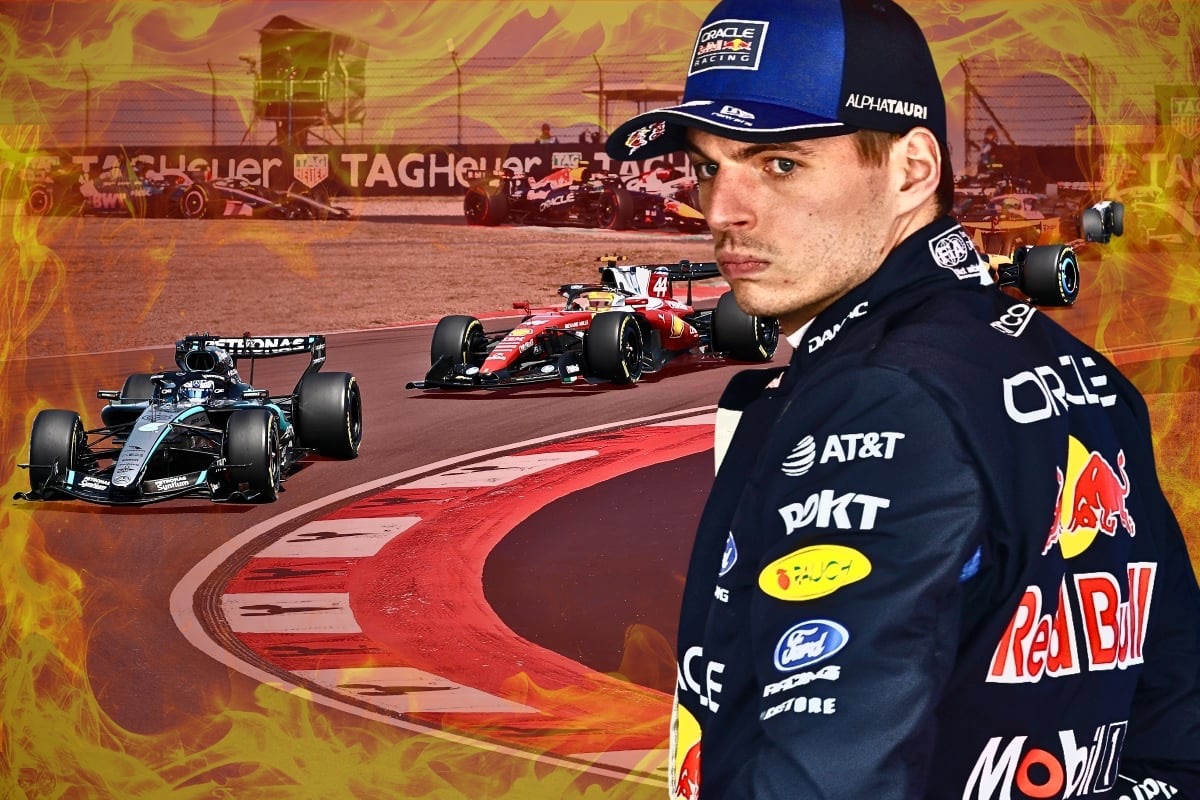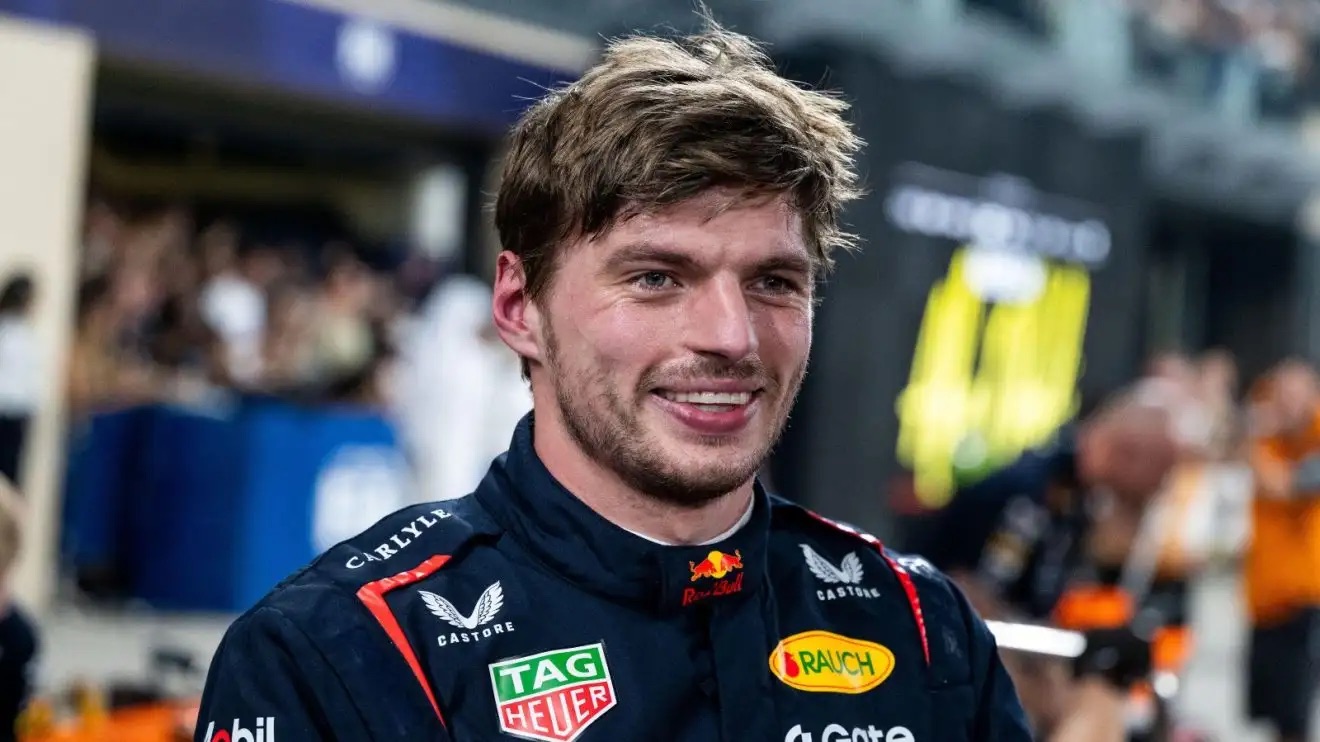
According to a new analysis by the business magazine Forbes, Max Verstappen is officially the highest-paid driver on the 2025 Formula 1 grid — comfortably ahead of Lewis Hamilton.

Verstappen at the top of the earnings list
For the 2025 season, Forbes estimates that Verstappen will collect a total of US $76 million — broken down into $65 million as a base salary, plus an additional $11 million in bonuses tied to his performance.
This isn’t the first time Verstappen has dominated financially. He signed a long-term, high-paying contract with Red Bull Racing back in 2022, which runs through 2028 — though the originally reported figure of about $55 million per year appears to have risen significantly.
Furthermore, Verstappen enjoys a major tax advantage: living in Monaco, where there is a 0% income tax rate — meaning he gets to keep essentially all of his earnings.
Hamilton remains near the top — but still second
Finishing second on the earnings list is seven-time world champion Lewis Hamilton, who reportedly makes $70.5 million in 2025. That sum consists of a $70 million base salary from his new contract with Ferrari, along with about $0.5 million in bonuses.
Interestingly, while Hamilton’s base salary is higher than Verstappen’s, his relatively small bonus haul contrasts sharply with Verstappen’s — underlining how much on-track performance continues to shape top drivers’ pay.
To put things in perspective, some analysts calculated that Ferrari paid about $451,923 for each championship point Hamilton scored this season, while Red Bull spent roughly $180,522 for each point earned by Verstappen — suggesting that, value-for-money wise, Verstappen may be the more efficient of the two.
Who else makes the top ranks
Lando Norris — The newly crowned world champion is placed third among F1 drivers in earnings, with a total of $57.5 million. While his base salary is relatively modest at $18 million, he reportedly made a hefty $39.5 million from bonuses, reflecting his stellar on-track season. Oscar Piastri — The McLaren driver ranks fourth, with combined earnings estimated at $37.5 million (around $10 million in salary, plus $27.5 million in bonuses). Charles Leclerc sits fifth on the list; for him, the reported $30 million comes entirely from salary, with no bonuses recorded.
The broader top-10 includes drivers such as Fernando Alonso, George Russell, Lance Stroll, Carlos Sainz, and rookie or younger driver Kimi Antonelli — whose place in the top-ten reflects a mix of base wages and performance-related bonuses.
What the numbers tell us
Because full contract details are almost never made public, Forbes’ estimates — based on leaks, media reports, and interviews with industry insiders — remain approximate. Nonetheless, the figures reflect broader truths about the rewards at the top of F1: lucrative base salaries for established stars, plus big bonuses for those who perform.
Verstappen’s continued financial dominance highlights the value teams place on having a driver who can consistently deliver — and win. Couple that with Monaco residency (tax-free for residents) and a long-term contract, and it’s little wonder he remains first in line on earnings.
At the same time, Hamilton’s payday demonstrates that switching to a team like Ferrari can bring enormous financial rewards — even if performance-based bonuses lag behind. His $70 million base salary underscores how much clubs are willing to pay for experience, star power, and past successes.
For emerging talents like Norris and Piastri, the high bonuses show that stellar seasons — especially one culminating in a championship — can lead to windfalls. For them, the structure seems geared toward rewarding growth and delivering results, rather than simply rewarding seniority or fame.
Wider implications for F1
The overall spread underscores how unequal earnings can be on the F1 grid. A handful of top drivers earn tens of millions annually — while lower-ranked drivers, or rookies, often earn far less (sometimes only via base salary, with minimal bonus potential). This gap reflects not only performance differences but also team prestige, marketability, and contract negotiations.
Moreover, the way bonuses work — tied to results, points, wins, championships — creates a clear incentive structure: drive well, and you get rewarded handsomely; underperform, and you might still get a base salary, but the real money dries up.
That said, because off-track earnings (endorsements, sponsorships, brand deals) are generally excluded from Forbes’ ranking, the reported numbers likely under-state how much top drivers actually make in total annually. In reality, especially for marketable stars, income from merchandise, endorsements, media appearances, and brand partnerships can add very significantly.
Conclusion
In short: for 2025, the financial crown of Formula 1 goes to Max Verstappen. With a $76 million package — driven by a high salary and substantial bonuses — and the advantage of a tax-free residence, he remains the sport’s top earner. Lewis Hamilton trails not far behind, thanks to a massive base salary with Ferrari, though his limited bonus earnings reflect the fold between guaranteed pay and performance-based reward.
Behind them, drivers like Lando Norris and Oscar Piastri show how strong seasons can generate large paydays — even if they lack the long-term seniority of the sport’s veterans. For the rest of the grid, the gap remains stark, underscoring how performance, contract leverage, and team status continue to shape earnings in Formula 1.