The Incident — Abuse and Death Threats After Qatar GP
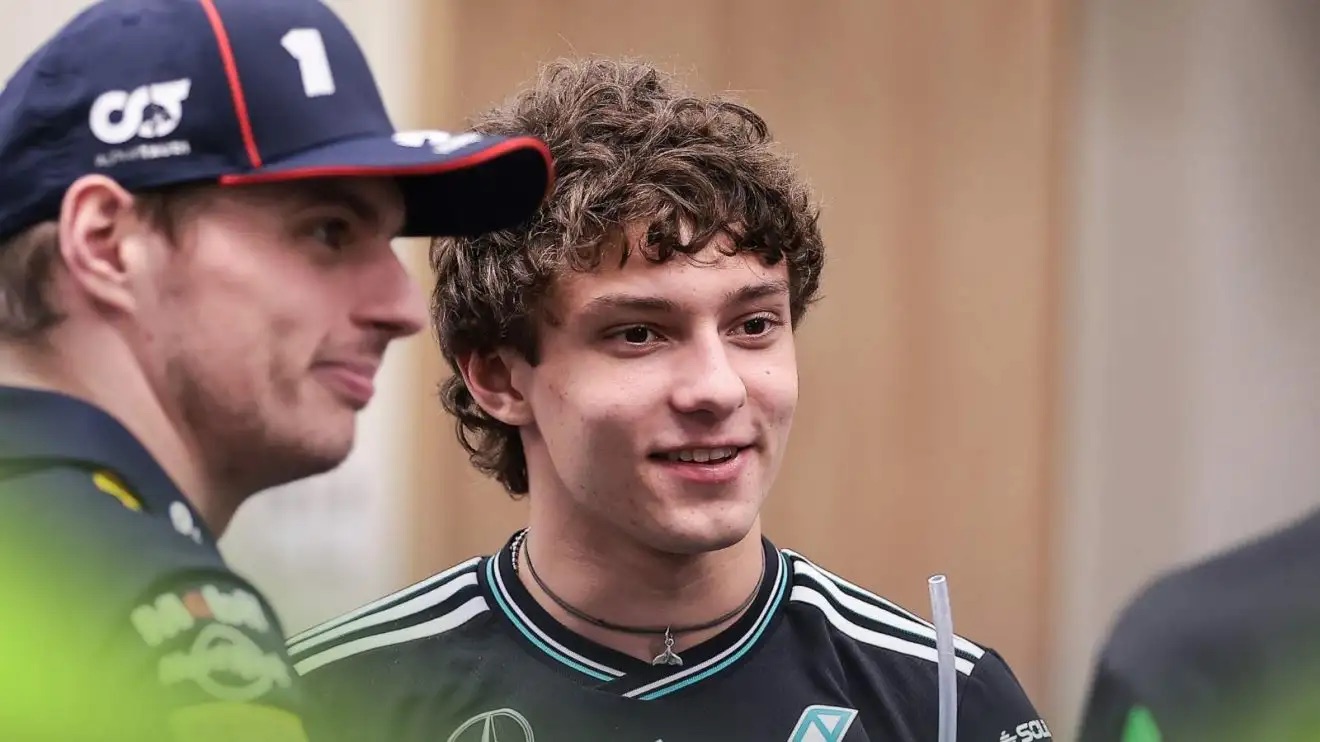
After the 2025 Qatar Grand Prix, youngster Kimi Antonelli came under a torrent of vile online abuse — including death threats — due to a late-race mistake that allowed Lando Norris to overtake him for fourth place.
Though Antonelli is a rookie still finding his feet in the sport, the backlash was intense: his social-media channels received more than 1,100 “severe or suspect” comments, many of them menacing and hateful.
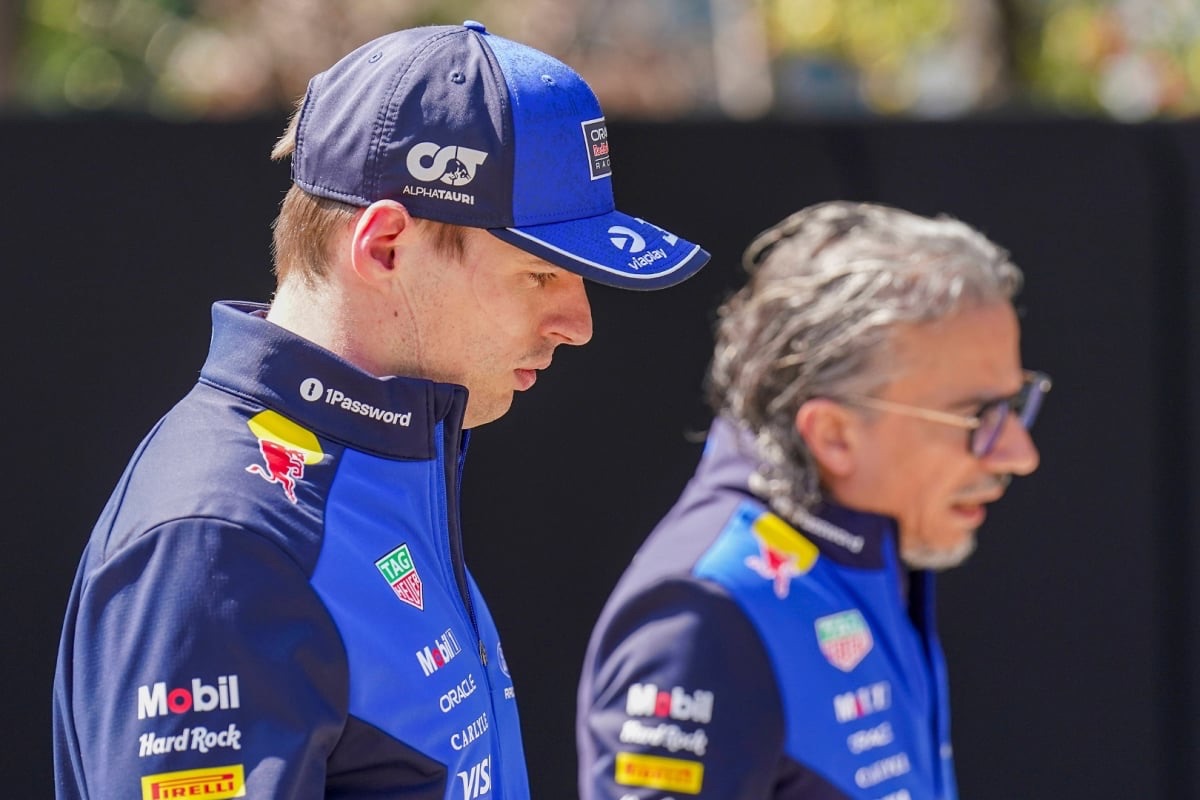
In the immediate aftermath, staff from Red Bull Racing — including race engineer Gianpiero Lambiase and senior advisor Helmut Marko — made comments implying that Antonelli’s mistake might have been intentional, suggesting he “let Norris through.”
Those assertions triggered outrage across the paddock.
What Actually Happened on Track
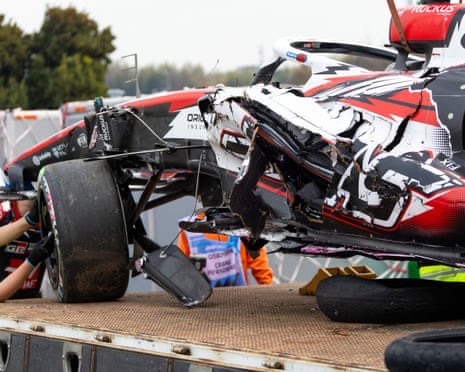
According to shared footage and post-race review, the overtake was not a deliberate act. Instead, the evidence shows Antonelli momentarily lost control — a result of dirty air and tyre wear after battling hard for many laps — which opened the door for Norris to slip past.
Antonelli himself explained that he had been pushing to close the gap, trying to catch the car ahead. By the final laps, tyre degradation and aerodynamic turbulence made the rear unstable. On the penultimate lap, he lost grip slightly at Turn 10 — enough to give Norris the opportunity he needed.
In short: a mistake under pressure, not a planned gesture of cooperation.
Backlash, Support and Apologies
The initial insinuations by Red Bull triggered a wave of online vitriol. Some of the abuse was so severe — including death threats — that Antonelli opted to blackout his profile picture on social media.
Recognising their error, Red Bull swiftly issued a public statement. They acknowledged that their previous remarks were “clearly incorrect,” accepted that Antonelli’s mistake was genuine and not deliberate, and expressed “sincere regret” over the backlash he suffered.
FIA (the sport’s governing body) also condemned the hate and harassment, stressing that everyone in motorsport deserves to feel safe and respected, online and offline.
Members of the paddock rallied around Antonelli. His team at Mercedes‑AMG Petronas Formula One Team publicly appreciated the apology from Red Bull.
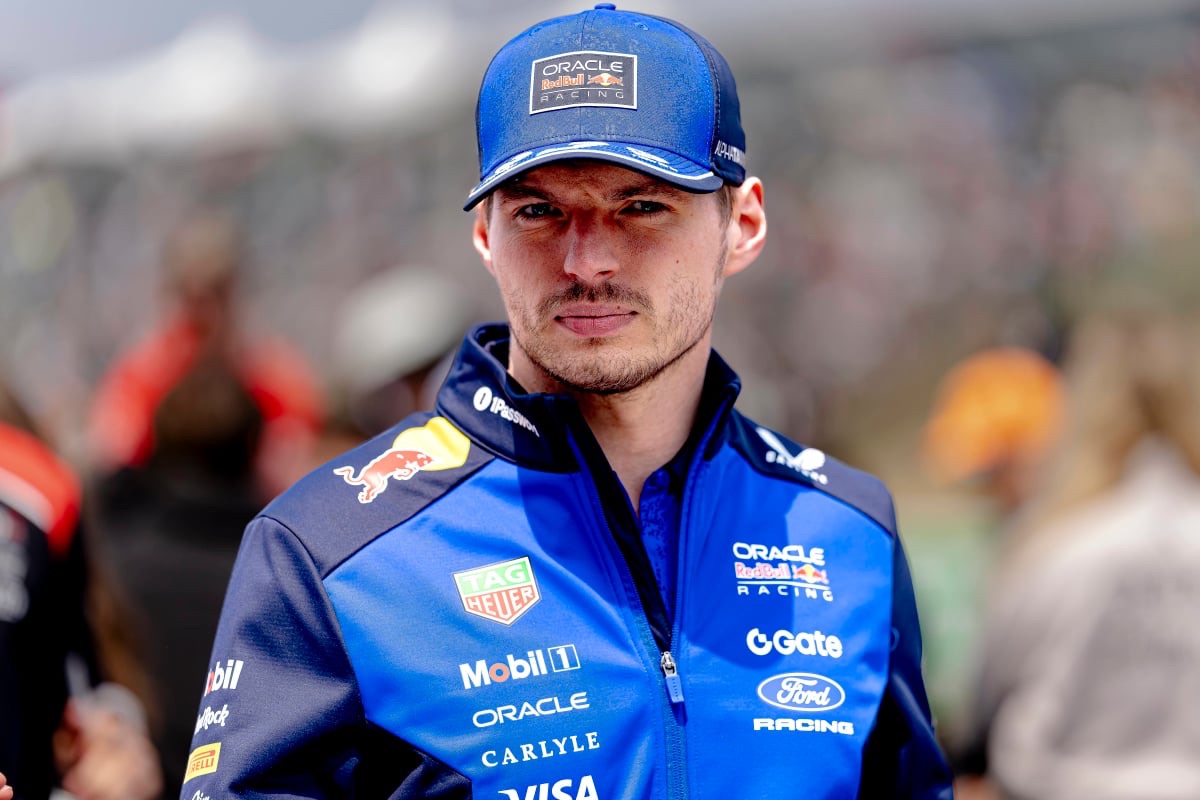
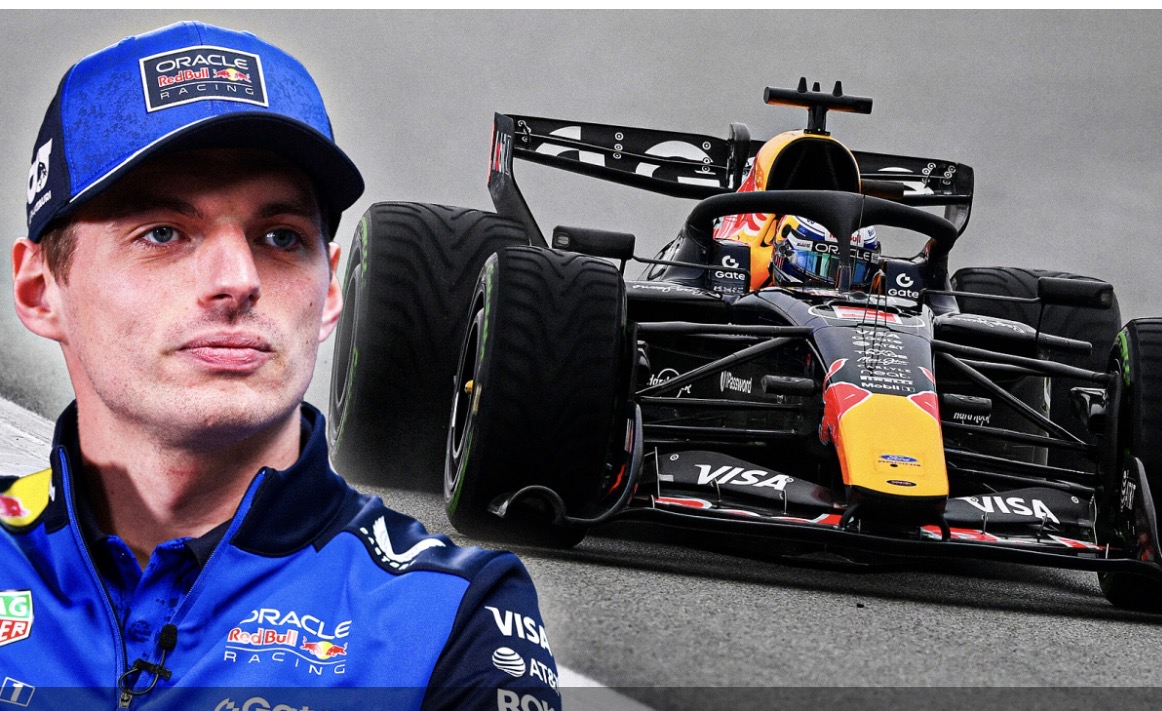
Meanwhile, support also came from a perhaps unexpected corner: Max Verstappen — the driver who won the Qatar GP — reached out to Antonelli personally after the race. According to Antonelli, Verstappen’s message was blunt but compassionate, calling the online haters “brainless,” and telling him to ignore them and focus on the job.
What Antonelli Says — His Side of the Story
Antonelli insisted that he had never intended to give up a position — much less help someone else by allowing them through. He was fighting hard for a potential podium finish; his tyre performance was degrading lap after lap, and the loss of control that allowed Norris to pass was simply a racing error under pressure.
He admitted the barrage of abuse took a toll: “It was not easy to get all those kind of comments after the race.” But he also emphasized how helpful it was to receive support from fellow drivers, team members, and particularly from Verstappen.
The support helped him move on — focusing instead on preparations for the upcoming race in Abu Dhabi.
Broader Reaction: Condemnation of Abuse
The flow of abuse has drawn criticism from across Formula 1. Several drivers spoke out, condemning the hateful messages as unacceptable.
Some of the strongest rebukes came from within Mercedes. Their team principal Toto Wolff described the idea that Antonelli purposely let Norris pass as “brainless” — a gross insult to both the driver and the sport.
As the governing body, FIA reiterated that harassment and abuse have no place in motorsport. Their “FIA United Against Online Abuse” initiative will continue to monitor and address such incidents.
What This Means Moving Forward
Accountability matters. The incident underscores how quickly statements made in the heat of the moment — even from respected figures — can fuel dangerous social-media backlash. The retraction and apology from Red Bull prove that public criticism is possible when mistakes are made. Support from peers counts. For Antonelli, a message from Verstappen and outreach from figures like Lambiase helped him feel not alone — reinforcing that even rivals often stand up against unfair online abuse. Need for caution in public commentary. Engineers, team staff, and media must recognize that speculative comments — about someone “letting someone pass” — can have real-life consequences beyond sport. Role of governing bodies and teams. Organisations like FIA and Mercedes have a role in protecting drivers, offering support, and promoting respectful behaviour online. Their calls for greater empathy and accountability reflect a broader push for change in fan culture.