Red Bull Racing Confirms Max Verstappen’s 2026 Teammate — And It’s Isack Hadjar
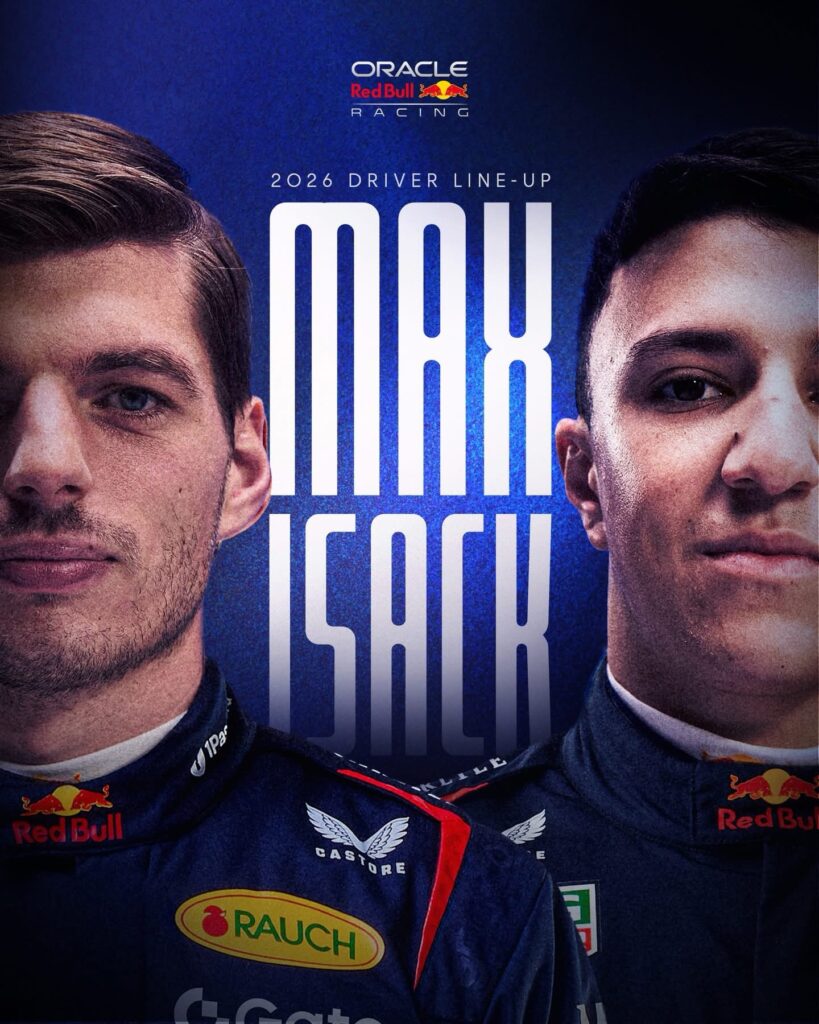
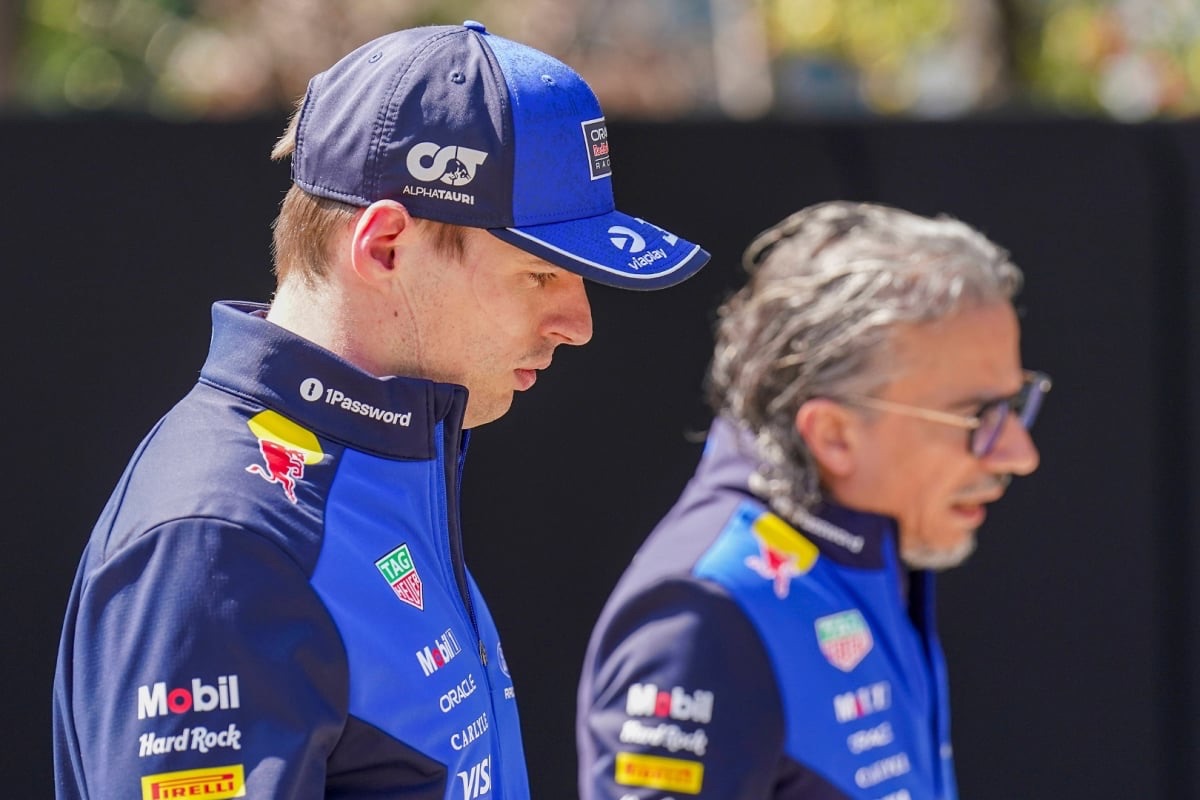
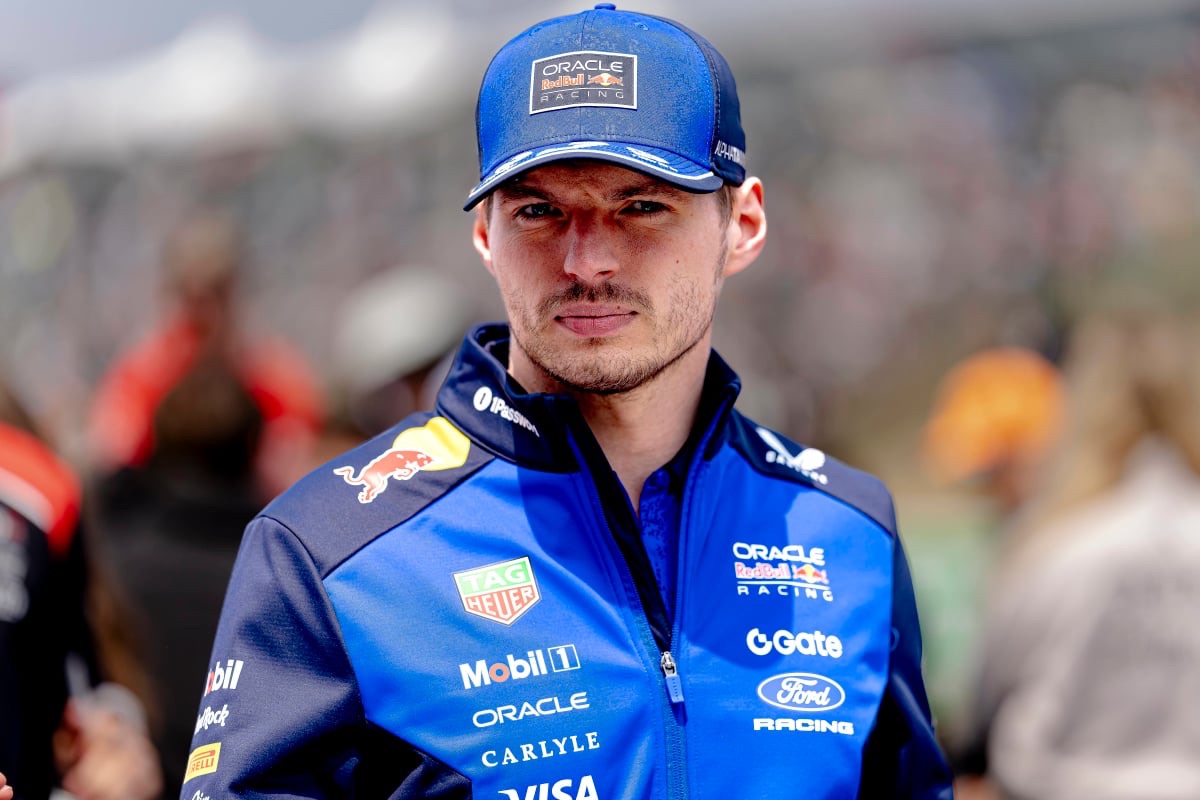
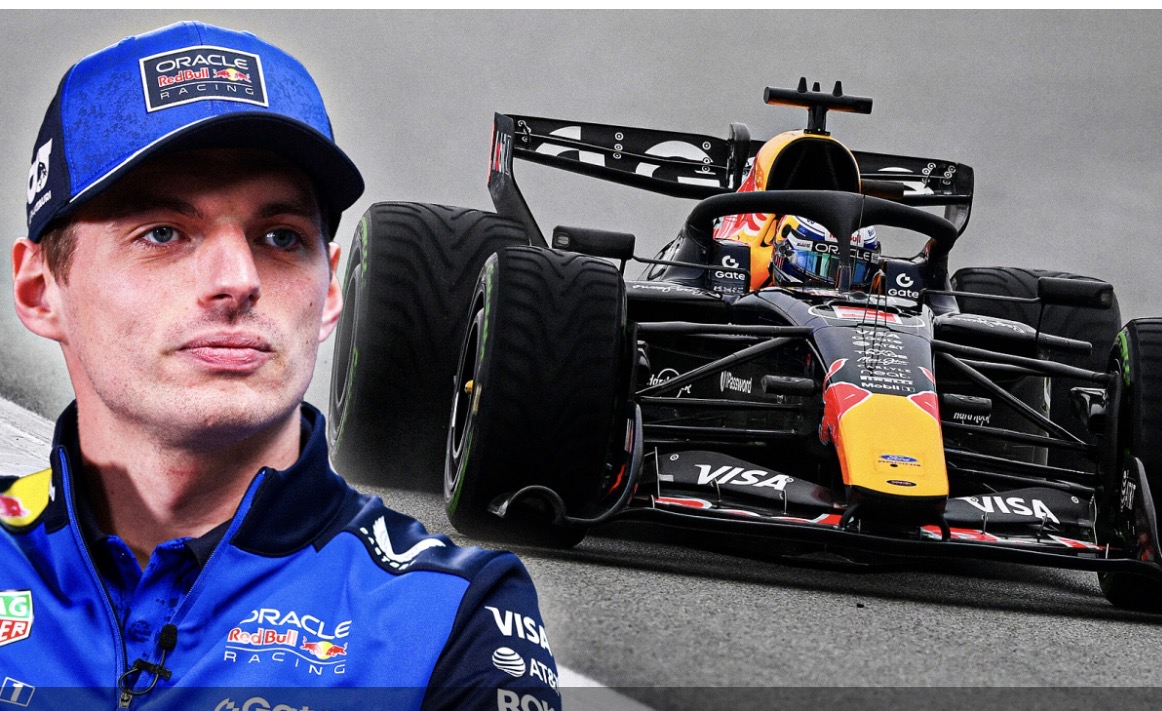
After weeks (or even months) of speculation and suspense, Red Bull has finally put an end to the guessing game. The team has officially confirmed that Isack Hadjar will be promoted to the senior squad and will join Max Verstappen as his teammate for the 2026 season of Formula 1. This announcement ends one of the most debated — and anticipated — seat decisions of the 2025 season.
Why the decision matters
For much of 2025, the identity of Verstappen’s 2026 teammate remained uncertain. The seat next to the four-time champion has long been considered one of the hardest in the sport — a “poisoned chalice” where many promising drivers have struggled to live up to expectations.
Inside Red Bull, two main contenders had emerged:
On one side, there was Yuki Tsunoda, who had just recently been promoted to the senior team earlier in 2025 following years of development in the Red Bull pipeline. On the other, there was Isack Hadjar — a young driver racing for Red Bull’s junior outfit, Racing Bulls — whose performances throughout the season began to draw serious attention.
In the end, Red Bull opted for youth, potential, and momentum: they chose Hadjar. This signals a clear faith in him, and a belief in his readiness to step into the high-pressure environment of racing alongside Verstappen.
What earned Hadjar the seat
Hadjar’s promotion wasn’t random or symbolic — it was earned. Through 2025, he delivered several solid and impressive performances in Racing Bulls, showing consistency, speed, and the kind of composure that teams at the top level look for.
A highlight of his season was the Dutch Grand Prix, where Hadjar not only qualified strong (landing on the second row of the grid), but also capitalized on race circumstances to finish on the podium. That third-place finish under pressure helped cement his reputation as more than just a promising youngster — but as someone capable of delivering in the big moments.
Beyond that, over the course of the season, he racked up a string of point-scoring finishes and ended the year ahead of other contenders in the Racing Bulls standings. His trajectory suggested steady growth, adaptability, and maturity — all key indicators when a team chooses who to trust next to their star driver.
Why Tsunoda was passed over
The decision wasn’t easy. Tsunoda had his supporters. He had just been promoted to Red Bull’s senior roster, and many expected him to be given the chance to prove himself alongside Verstappen.
But according to the announcement, his 2025 season didn’t deliver the consistent high-level results the team were looking for. While he showed flashes of pace — occasionally hinting at talent — he struggled with consistency, stability, and overall race performance. Red Bull decided that, in the long run, Hadjar offered more promise for success under the new 2026 regulations.
From Red Bull’s perspective, this wasn’t just about performance today — it was a strategic move aiming for growth, stability, and long-term competitiveness within a changed F1 landscape.
What this means for 2026 — and beyond
By pairing Verstappen with a young, hungry, and rising star like Hadjar, Red Bull appears to be attempting a balancing act: giving the team freshness and energy, while still centering its championship hopes around its champion.
For Hadjar, it’s a major opportunity — but also a massive challenge. The seat next to Verstappen has rarely been kind to newcomers; several drivers over the years have struggled under the pressure, and many have left the team quickly after failing to meet expectations.
Yet, this also marks a new chapter for Red Bull. As the sport moves into a new regulatory era — with major changes coming to car design and engine rules — the team seems willing to invest in youth and adaptability. Hadjar’s adaptability and upward form may align well with the new technical landscape.
Meanwhile, for Tsunoda — this is likely a major setback. Having been promoted to the senior team only months ago, he now loses the seat before even getting a stable run. It raises questions about his future within the Red Bull system and whether he’ll get another shot at a senior seat.
Broader Implications for Red Bull and F1
Commitment to youth development: Red Bull continues to rely on its driver development programme, putting faith in young talents rather than always seeking external drivers. Hadjar’s elevation is a statement that the internal pipeline remains a priority. Adapting to change: With 2026’s new technical regulations looming, fresh talent like Hadjar — presumably more flexible and open to adaptation — could give Red Bull a strategic edge. The team seems to be preparing for a long-term fight, rather than short-term fixes. High stakes for Hadjar: The second seat at Red Bull remains one of the most scrutinized in F1. Hadjar’s success — or failure — could influence not just his career, but the team’s performance and reputation going into a reshaped F1 era. Uncertain path for Tsunoda: For Tsunoda, this may represent another setback in a career already marked by instability. It underscores how unforgiving top-level motorsport — especially at a leading team — can be.
In short: Red Bull has drawn a line under the speculation. By officially naming Isack Hadjar as Max Verstappen’s teammate for 2026, the team is betting on youth, potential, and long-term growth rather than short-term comfort. For Hadjar, it’s a dream come true — a steep but golden opportunity. For Tsunoda, it’s a tough blow. And for the sport, it signals Red Bull’s strategy for the coming era: adapt, invest in youth, and aim high.