RED BULL BOMBSHELL: Senior Figures Clash Over Team’s Future Direction
Red Bull Racing’s carefully polished image of unity has been rocked by a growing internal conflict that senior Formula 1 insiders say could reshape the team’s future far more dramatically than any regulation change.
Behind the closed doors of Milton Keynes, key decision-makers are locked in a quiet but intense struggle over control, philosophy, and long-term vision, exposing tensions that have been building for months beneath the surface of Red Bull’s recent dominance.
Multiple sources with knowledge of the situation describe a series of heated exchanges between senior technical leaders and top-level management, sparked by disagreements over how the team should evolve in the next phase of Formula 1. What began as routine strategic debate has, insiders claim, escalated into a clash of authority.
A battle over control
At the heart of the dispute is a fundamental question: who shapes Red Bull’s future?
On one side are senior technical figures pushing for continuity—arguing that Red Bull’s success has been built on trusting engineering autonomy and resisting unnecessary disruption. On the other are powerful voices within management advocating for structural change, greater oversight, and a recalibration of internal influence as the team prepares for a new era of Formula 1.
“This isn’t about performance today,” one insider revealed.
“It’s about who holds the keys tomorrow.”
The disagreement has reportedly spilled into race-weekend operations, with conflicting views on development priorities, driver feedback weight, and how aggressively Red Bull should adapt its internal hierarchy ahead of upcoming regulation shifts.
Emergency meetings and rising tension
Concerns intensified following a series of emergency meetings at Milton Keynes, where senior figures were summoned at short notice. Those present described an atmosphere that was “unusually tense” for a team renowned for sharp decision-making and clarity of leadership.
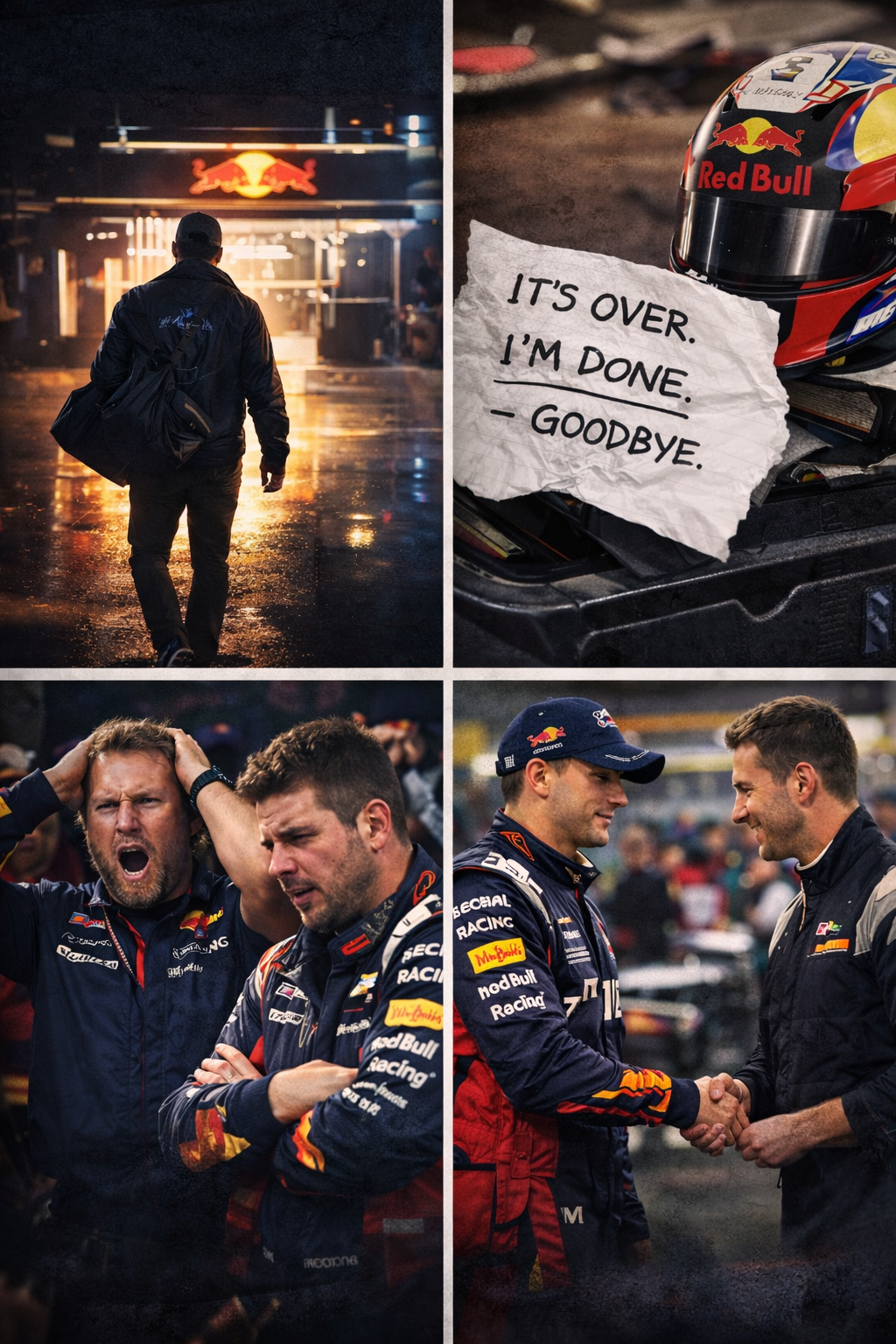
Sources claim voices were raised, compromises were rejected, and at least one senior figure left the meeting visibly frustrated. While no immediate changes were announced, the lack of resolution has only deepened speculation that the conflict remains far from settled.
Publicly, Red Bull continues to project confidence and stability. Privately, however, insiders warn that unresolved power struggles have a way of spreading quietly through an organisation, undermining trust and blurring decision lines.
Success masking deeper issues
Red Bull’s dominance on track has so far prevented the dispute from spilling into public view. But several paddock observers note that winning can delay problems, not erase them.
“When you’re winning, everyone smiles,” a rival team strategist said.
“When pressure hits, those smiles disappear fast.”
There is growing concern that if on-track results falter—even briefly—the internal tensions could intensify, forcing decisive action from the very top. Formula 1 history is littered with dominant teams that unraveled not because of speed, but because of internal fractures.
What happens next?
For now, Red Bull remains outwardly united, and no official changes are expected in the immediate future. But insiders suggest that critical decisions are being postponed rather than resolved, a dangerous strategy in a sport that rewards clarity and punishes hesitation.
Whether this internal clash becomes a footnote in Red Bull’s continued success—or the first visible crack in a once-unshakeable empire—remains to be seen.
One thing, however, is increasingly clear inside the paddock:
Red Bull’s toughest battle may no longer be against its rivals, but against itself.