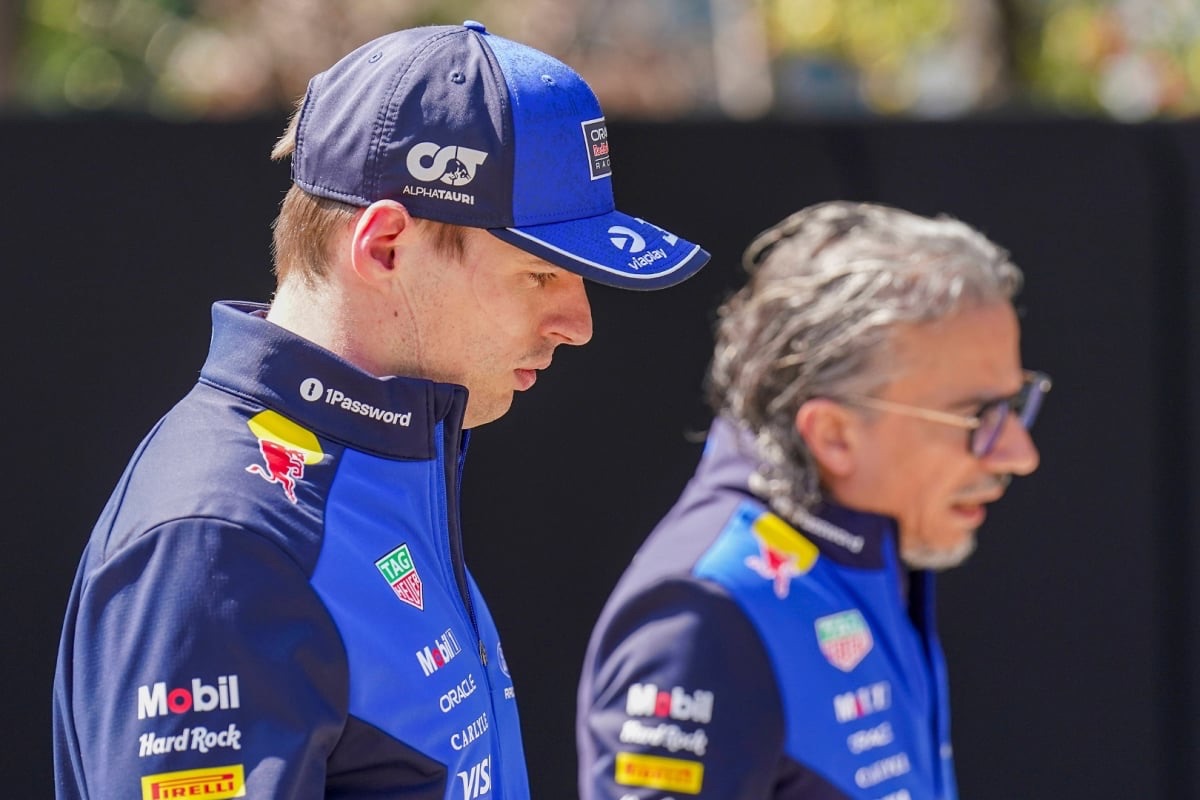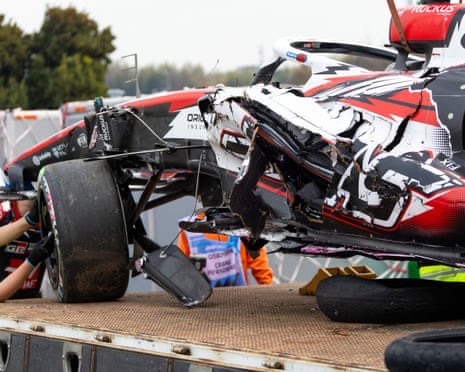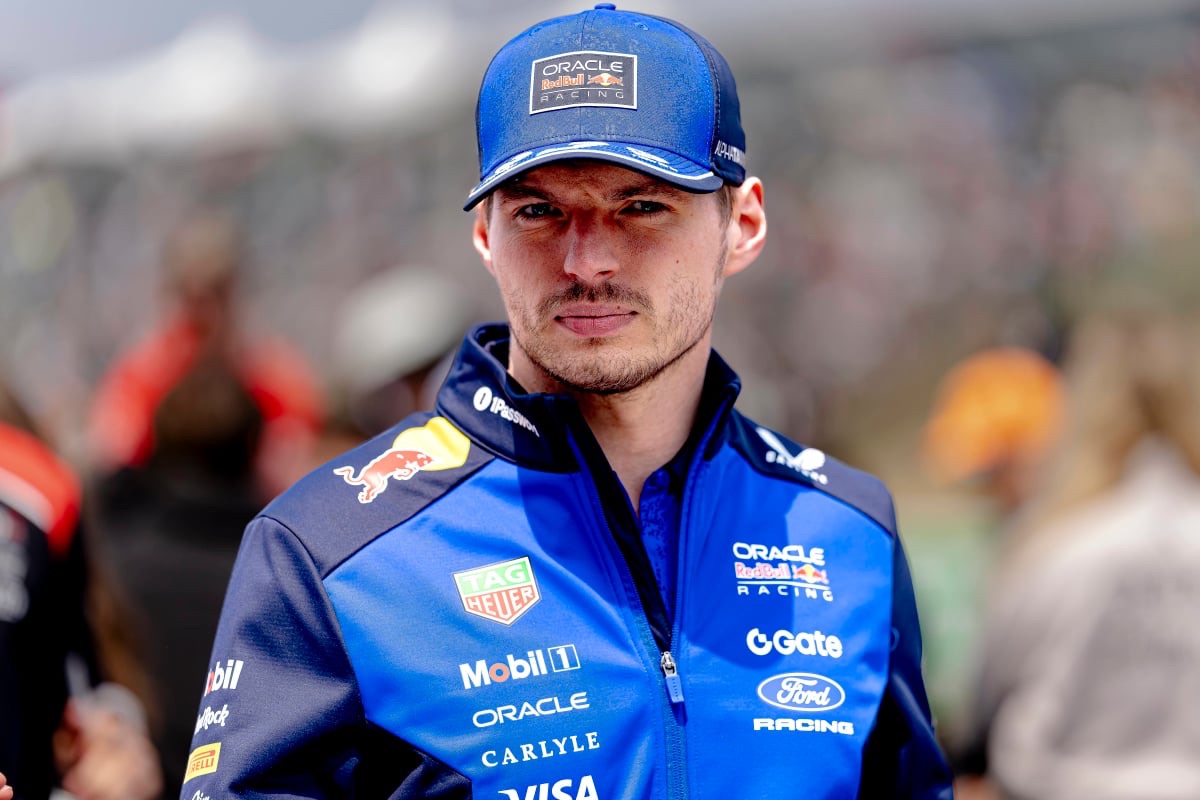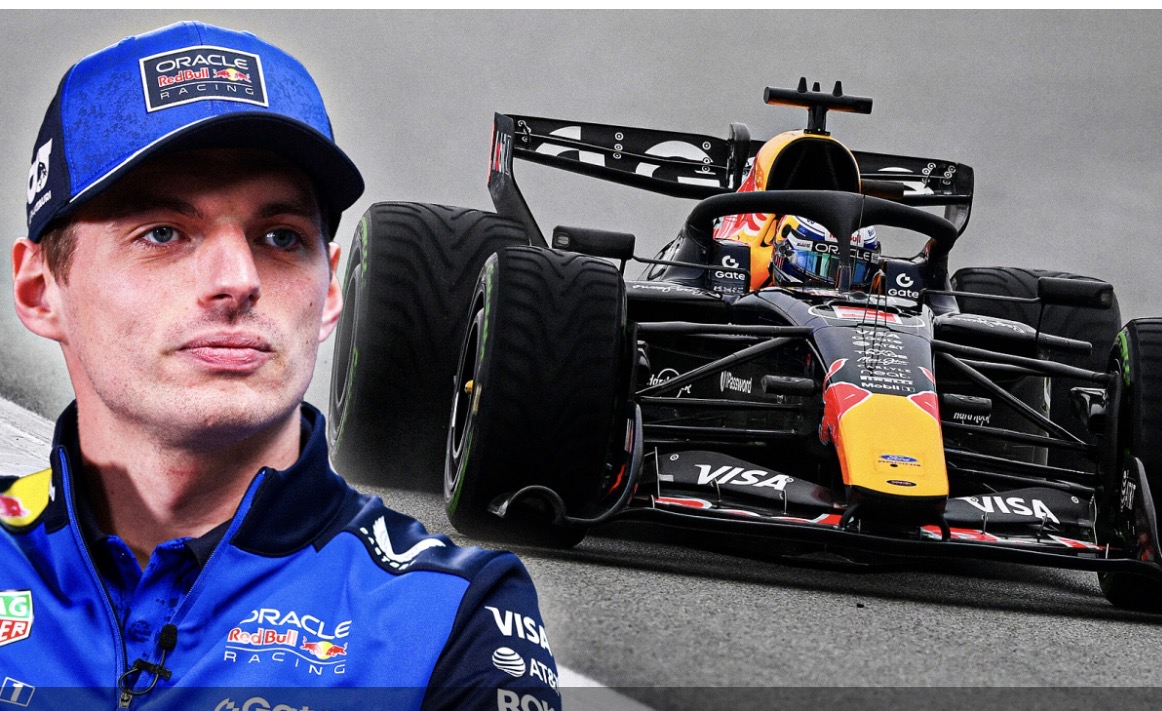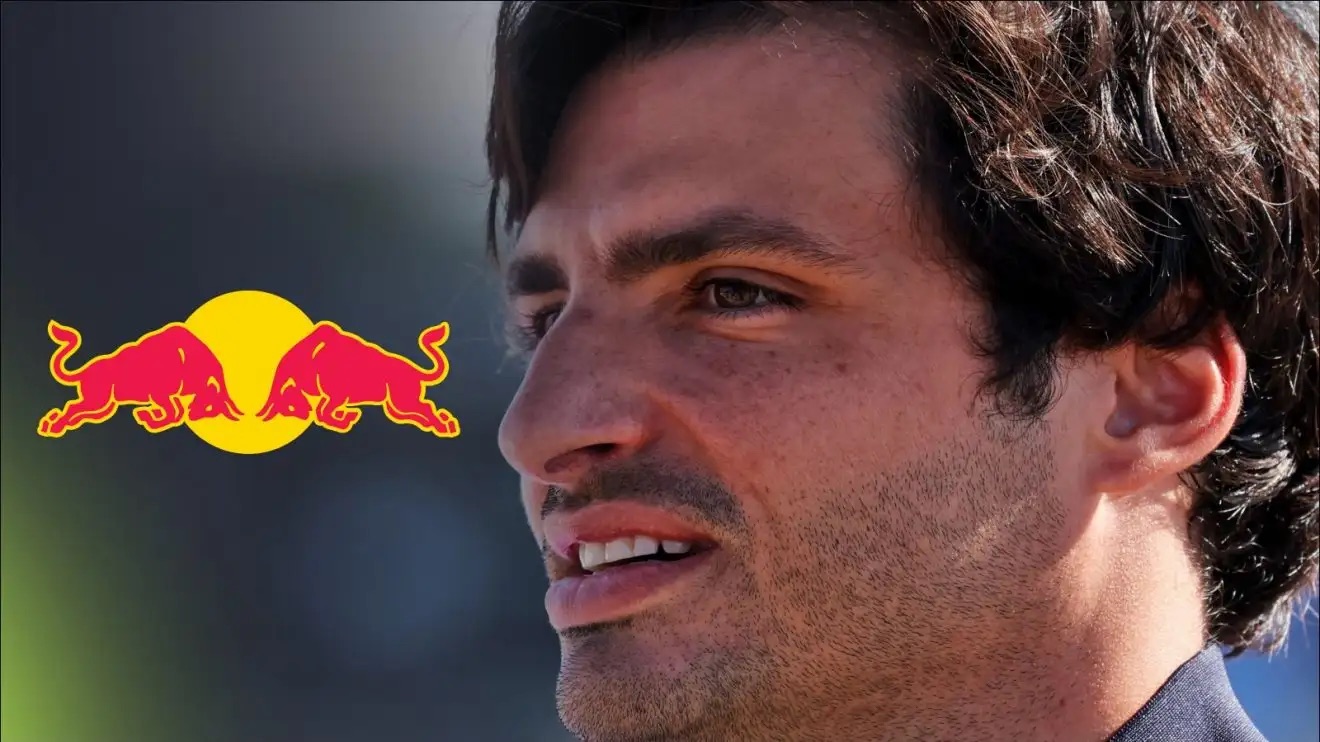
The debate surrounding Carlos Sainz’s potential as a teammate to Max Verstappen at Red Bull has once again flared up in the Formula 1 world, especially after the Spaniard was overlooked for the seat in favor of other options following his departure from Ferrari. The premise behind this debate is simple but thought-provoking: could Red Bull have made a mistake by not pursuing Sainz as Verstappen’s partner? According to former Formula 1 World Champion Jacques Villeneuve, the answer may very well be yes — not simply because Sainz is talented, but because he consistently improves the performance of every team he has joined.
Sainz’s career trajectory in Formula 1 reflects an intriguing pattern — one that some fans and pundits now refer to as “the Sainz effect.” This effect is characterized by the noticeable improvement in team performance following his arrival. Time and again, teams that have signed him have enjoyed better results than they managed before his arrival. Villeneuve argues that this isn’t a coincidence; rather, it speaks to the unique blend of technical acumen, consistency, and racecraft that Sainz brings with him. These traits, he suggests, would have made him an ideal teammate for Verstappen, someone who could not only support Red Bull’s development but also help push Verstappen and the car to new levels.
To understand why this matters, it’s important to consider the context of Sainz and Verstappen’s first time as teammates. Back in 2015, both drivers began their Formula 1 careers with Toro Rosso, the junior team of Red Bull. The pairing generated plenty of headlines at the time — not all of them glowing — in part because of tension between the drivers and even between their fathers, both of whom were deeply involved in their careers. Former Red Bull advisor Helmut Marko later recalled that the atmosphere between Sainz and Verstappen at Toro Rosso “was quite toxic,” which he cited as a reason why Red Bull ultimately chose Verstappen over Sainz when promoting drivers to the senior team.
Despite those earlier challenges, Sainz has emphasized in multiple interviews that the narrative of ongoing bad blood between him and Verstappen is overstated. He insists there’s no lingering animosity, and that their rivalry at Toro Rosso was part of the competitive nature of racing — nothing more. While they were both young and highly motivated, Sainz describes their relationship as one where competition was intense but not damaging, and he believes that if the opportunity had arisen later in their careers for them to be teammates again, things could have been very different.
After being passed over by Red Bull and moving through Renault, McLaren, and ultimately Ferrari, Sainz has forged a reputation as one of the most consistent and well-rounded drivers on the grid. His time at Ferrari saw him mature into a front-running driver capable of scoring repeat podiums and even race wins, often punching above the performance of the machinery at his disposal. This consistency helped cement his standing as a driver who not only performs well on race day but also contributes strongly to the development of his team’s car.
In 2025, after Ferrari chose not to renew his contract — opting instead for Lewis Hamilton — Sainz signed with Williams for a multi-year deal. Many observers viewed this move as a step down from a race-winning team to one that historically has struggled near the back of the grid. Yet, Sainz’s influence was felt immediately: in his first full season with Williams, the team climbed significantly in the Constructors’ Championship and even scored podium finishes — something that had eluded Williams for many years. This transformation added more fuel to the argument that there is something unique about what Sainz brings to a team’s performance.
Villeneuve’s argument about Sainz’s impact on a team stems from this pattern of measurable improvement wherever he goes. Teams that have signed Sainz seem to benefit from both his driving skill and his technical feedback — the way he interprets data, communicates with engineers, and contributes to setup changes. His approach to understanding the nuances of a car’s behaviour is described as thoughtful and analytical, much like Verstappen’s own method. According to Villeneuve, this shared mindset — combining on-track competitiveness with off-track technical insight — could be powerful if harnessed properly within a top team like Red Bull.
It’s worth examining the specific aspects that supporters of the Sainz-as-Verstappen-teammate idea highlight. First, Sainz’s consistency: unlike drivers who either overdrive or struggle to maintain form across a season, Sainz has the rare ability to extract strong results regularly. Second, his feedback loop with engineers has been praised for being clear and actionable — giving teams a better baseline from which to develop their cars. Villeneuve points out that when a driver makes both himself and his teammate faster, the overall benefit to the team’s competitiveness can be significant, even if that driver is not consistently beating his teammate in qualifying or races.
Red Bull’s decision to look elsewhere, therefore, appears from this perspective to be a conservative one. The team ultimately chose to retain Sergio Perez for 2025 and later bring in Isack Hadjar as Verstappen’s new teammate rather than revisit the possibility of signing Sainz. While Perez has delivered solid results — including several 1-2 finishes with Verstappen — the broader argument is that Red Bull could have benefited from someone like Sainz whose skill set transcends mere race pace. The idea is that Sainz could have been a balancing force for the team, supporting not just Verstappen’s success but the broader technical evolution of the RB car.
Another key point in favour of Sainz is his maturity as a competitor. Over the years, he has shown that he can work with teammates like Charles Leclerc and Lando Norris without conflict, proving that he’s adaptable in different team environments. That adaptability and professionalism counter the narrative that his early rivalry with Verstappen would automatically spell trouble if they were paired again in a modern context.
Of course, no analysis is complete without acknowledging the uncertainties. Whether Sainz would actually have pushed Verstappen harder than Perez or other potential teammates is impossible to know without seeing them in the same car. And while the evidence of Sainz’s positive influence on teams is compelling, fans and pundits continue to debate how much of that improvement is down to the car, the team environment, or other external factors. Nonetheless, what most agree on is that Sainz brings consistency, technical insight, and an ability to elevate team performance — qualities that would have made his pairing with Verstappen fascinating to watch.