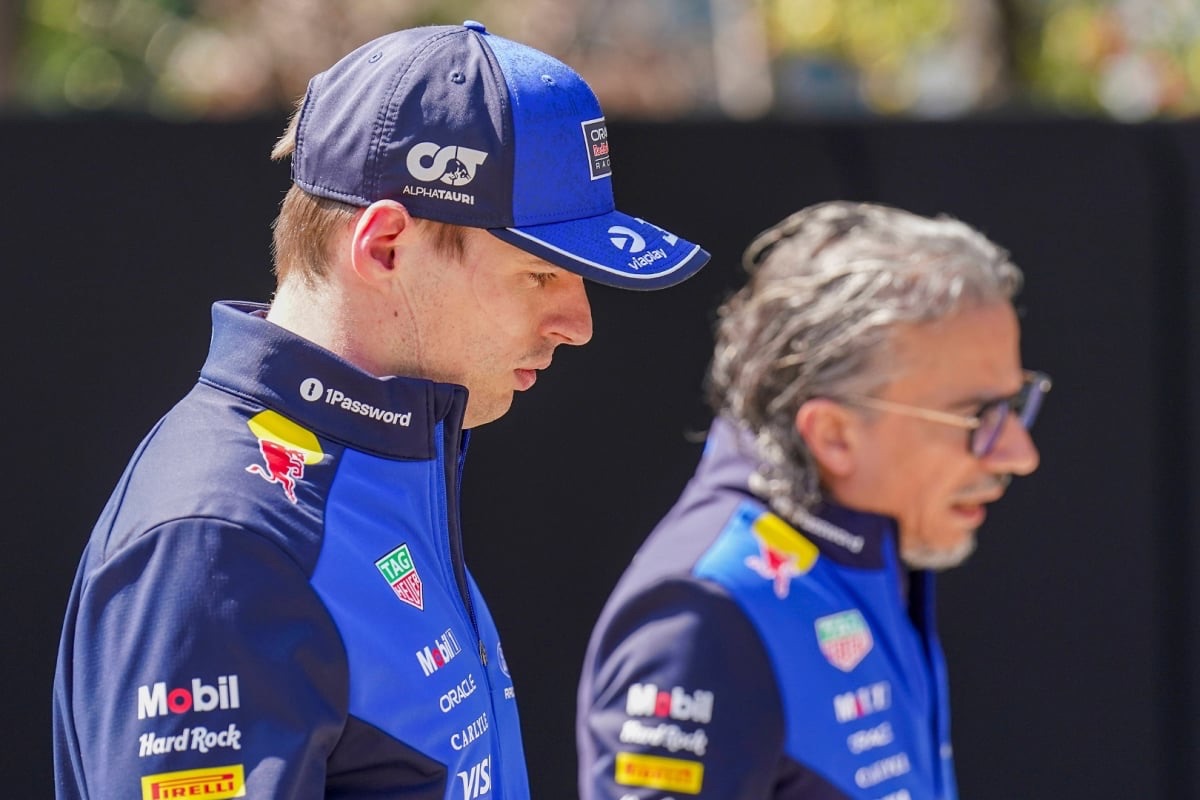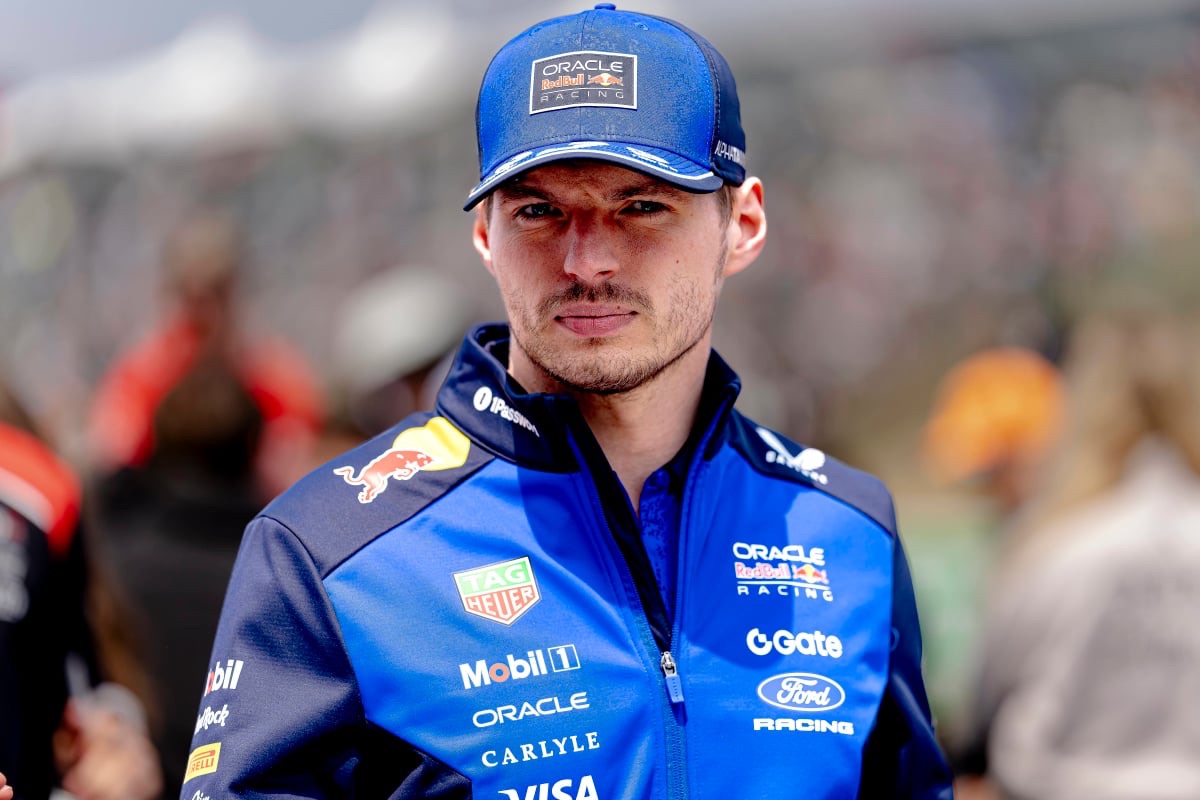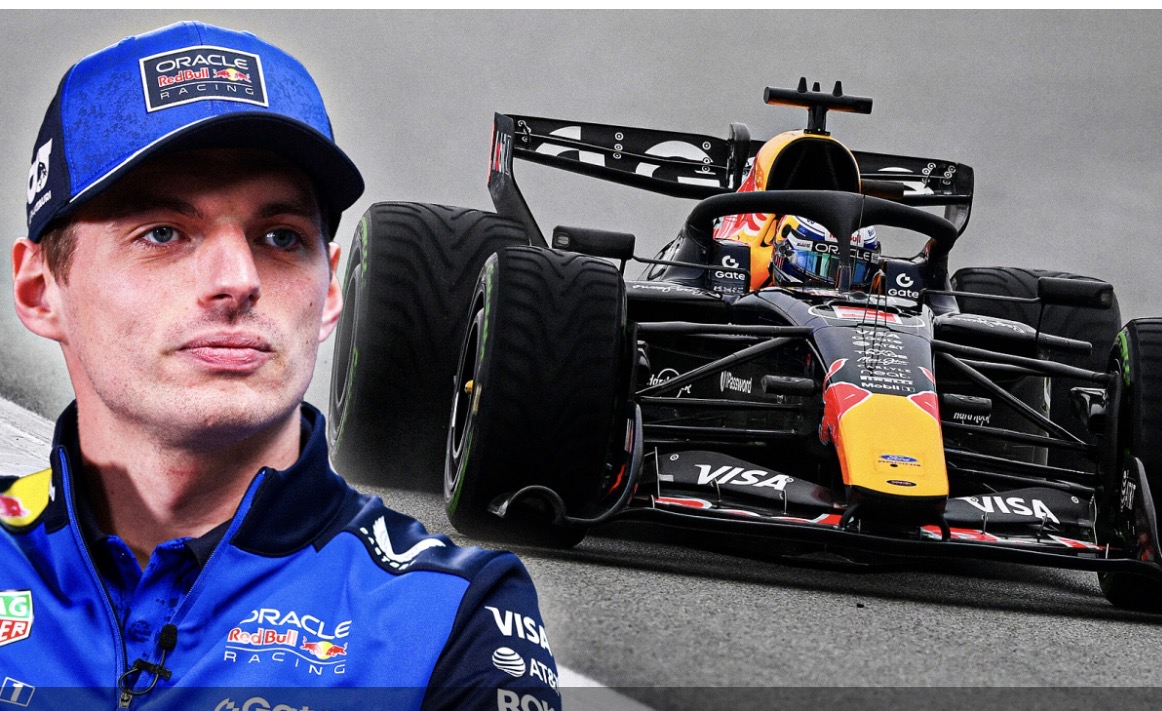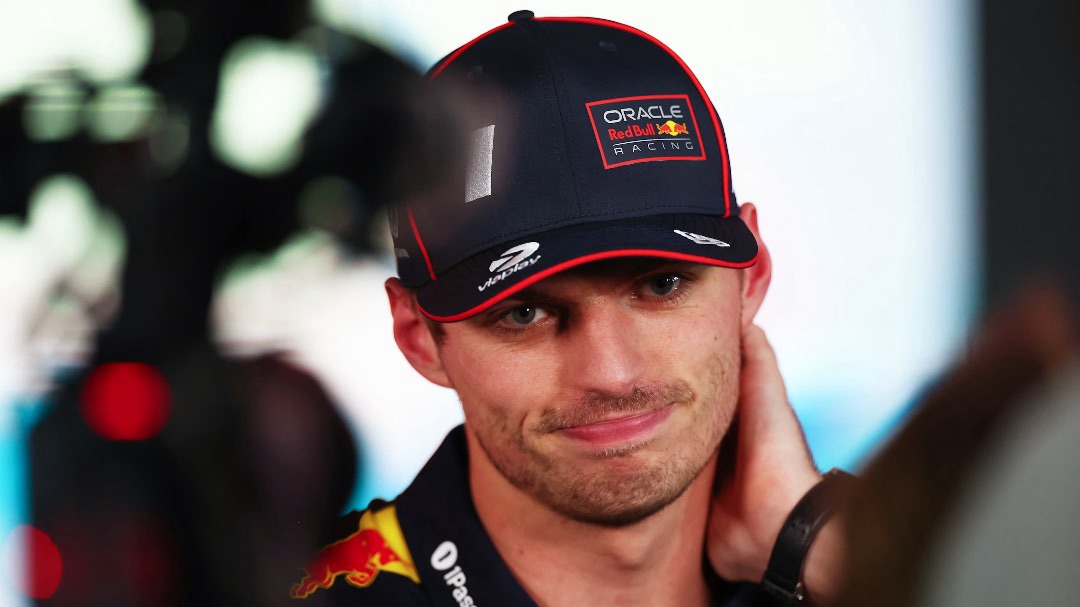
Max Verstappen endured a frustrating Qatar Sprint, finishing only fourth after battling the same handling problems that had affected him during Friday’s Sprint Qualifying session. Despite a promising launch and an aggressive opening lap, the Dutch driver soon realised that the issues with his Red Bull RB21 had not disappeared, leaving him unable to challenge for the podium spots.
Coming into the weekend, Verstappen had already built an impressive record in Formula 1 Sprints, holding 10 pole positions – more than any other driver. However, the Lusail International Circuit exposed weaknesses in his car setup. Throughout Friday, the Red Bull suffered from severe bouncing, especially through the high-speed corners that dominate the Qatari track. This made the car unstable and difficult to control at full pace, costing Verstappen the chance to fight for pole and restricting him to sixth on the grid for the Sprint.
At lights out on Saturday, Verstappen reacted sharply and gained immediate ground. Within just a few corners, he advanced to fourth, overtaking Fernando Alonso and benefitting from cooperation within his own team. Yuki Tsunoda, who had unexpectedly qualified ahead of Verstappen for the first time this season, quickly stepped aside to allow his senior teammate to chase down the leading trio.
Despite this progress, Verstappen’s hopes faded as the laps unfolded. The Red Bull continued to bounce aggressively on the straights and through medium-speed sections, creating a recurring problem that the team had been unable to solve overnight due to parc fermé restrictions. Verstappen soon found himself stuck in a lonely fourth place, unable to close the gap to the cars ahead but fast enough to stay clear of those behind.
Speaking after the Sprint, Verstappen made it clear that the problems were identical to those he had encountered the previous day. Although he was satisfied with his strong getaway, he explained that the bouncing returned almost immediately and forced him to drive more conservatively than he wanted to.
“The launch was great, and the first few corners went exactly how I hoped,” he said. “But after that, it was basically a repeat of what we experienced yesterday. The car was bouncing again, especially in the high-speed zones, and there’s nothing you can really change between sessions because of the regulations. At least now we know that the issues are consistent in both qualifying trim and race trim.”
Verstappen added that the team must focus on eliminating the instability, particularly since the Lusail circuit demands precision and tyre management. Excessive bouncing does not only affect control and speed—it also accelerates tyre wear, which is critical during long runs.
“You don’t want any kind of bouncing on a track like this,” he emphasized. “It makes it hard to be consistent, and it puts extra load on the tyres. We’ve got to analyse everything and find out how to reduce that effect. We also need to take better care of the front tyres, which were overheating quite quickly.”
In a later interview with Sky Sports F1, Verstappen further explained how the car’s behaviour changed across the Sprint. He said the first few laps allowed him to push harder in an attempt to catch the leaders, but as the tyres wore down, the bouncing intensified and understeer became more pronounced.
“The more the tyres degrade, the more those issues show up,” he noted. “I was trying to stay with the front three, but eventually it became impossible. After that, it basically turned into a race of my own. The car would jump and bounce through the corners, and I couldn’t carry the speed I needed. We have to address that if we want to be competitive for the main race.”
Meanwhile, Tsunoda experienced a very different Sprint. Starting ahead of Verstappen for the first time in 2025, the Japanese driver initially held a strong position but fell back after allowing his teammate to pass. His biggest struggle came from repeatedly exceeding track limits, an issue that has affected many drivers this season, particularly at circuits with large run-off areas like Qatar.
Tsunoda picked up a five-second time penalty for four separate track-limit violations, dropping him provisionally to sixth behind Mercedes rookie Kimi Antonelli. However, Antonelli committed the same infractions during the Sprint and was also handed a penalty after the race. This restored Tsunoda to fifth place and allowed him to collect his first points since the United States Grand Prix.
After the session, Tsunoda acknowledged the difficulty of keeping the car within track limits, though he also felt some of the infractions were marginal.
“I got track limits four times, and honestly I need to review two of them because I didn’t fully understand why they were counted,” he admitted. “But now at least I’m more aware going into Qualifying. I’ll be careful in the corners where I struggled today.”
Despite the penalty, Tsunoda remained upbeat about his Sprint performance and Red Bull’s strong weekend overall.
“It’s been a smooth weekend for me so far,” he said. “Everything has come together better than in recent races. Qualifying is still very important, but I’ll try to keep doing exactly what I’ve done so far and improve step by step.”
With both drivers scoring points but facing significant setup concerns, Red Bull now heads into the decisive qualifying session knowing that improvements are essential. Verstappen’s pace over one lap may still keep him competitive, but without a solution to the bouncing issue, the team risks falling behind rivals in both short and long-run performance.