The aftermath of the 2026 Formula 1 Belgian Grand Prix produced one of the season’s most significant post-race developments after Ferrari’s Charles Leclerc was removed from the final race classification following an FIA technical inspection. The ruling dramatically altered the official results from Spa-Francorchamps, promoting Red Bull’s Max Verstappen into second place and reshaping the points awarded after the race.
Leclerc had initially celebrated what appeared to be an outstanding performance in Belgium. The Ferrari driver crossed the finish line in second position behind Mercedes star Kimi Antonelli after delivering a composed and competitive race. Throughout the afternoon, the Monegasque showcased strong pace and consistency, successfully keeping Verstappen behind him during the closing laps despite relentless pressure from the reigning world champion.
For Ferrari, the result looked set to represent one of its strongest performances of the 2026 campaign. The team believed it had secured a valuable haul of championship points that would strengthen both Leclerc’s title aspirations and Ferrari’s position in the Constructors’ Championship. Those celebrations, however, proved to be short-lived.
Following the conclusion of the race, FIA officials carried out their routine technical inspections on selected cars, as required under Formula 1 regulations. During these examinations, Leclerc’s Ferrari was found not to comply with one or more aspects of the sport’s Technical Regulations.
After reviewing the evidence, the FIA stewards confirmed that the Ferrari had breached the technical requirements governing Formula 1 machinery. As a consequence, Leclerc was officially disqualified from the Belgian Grand Prix, meaning his second-place finish and all the championship points earned from the race were removed from the record.
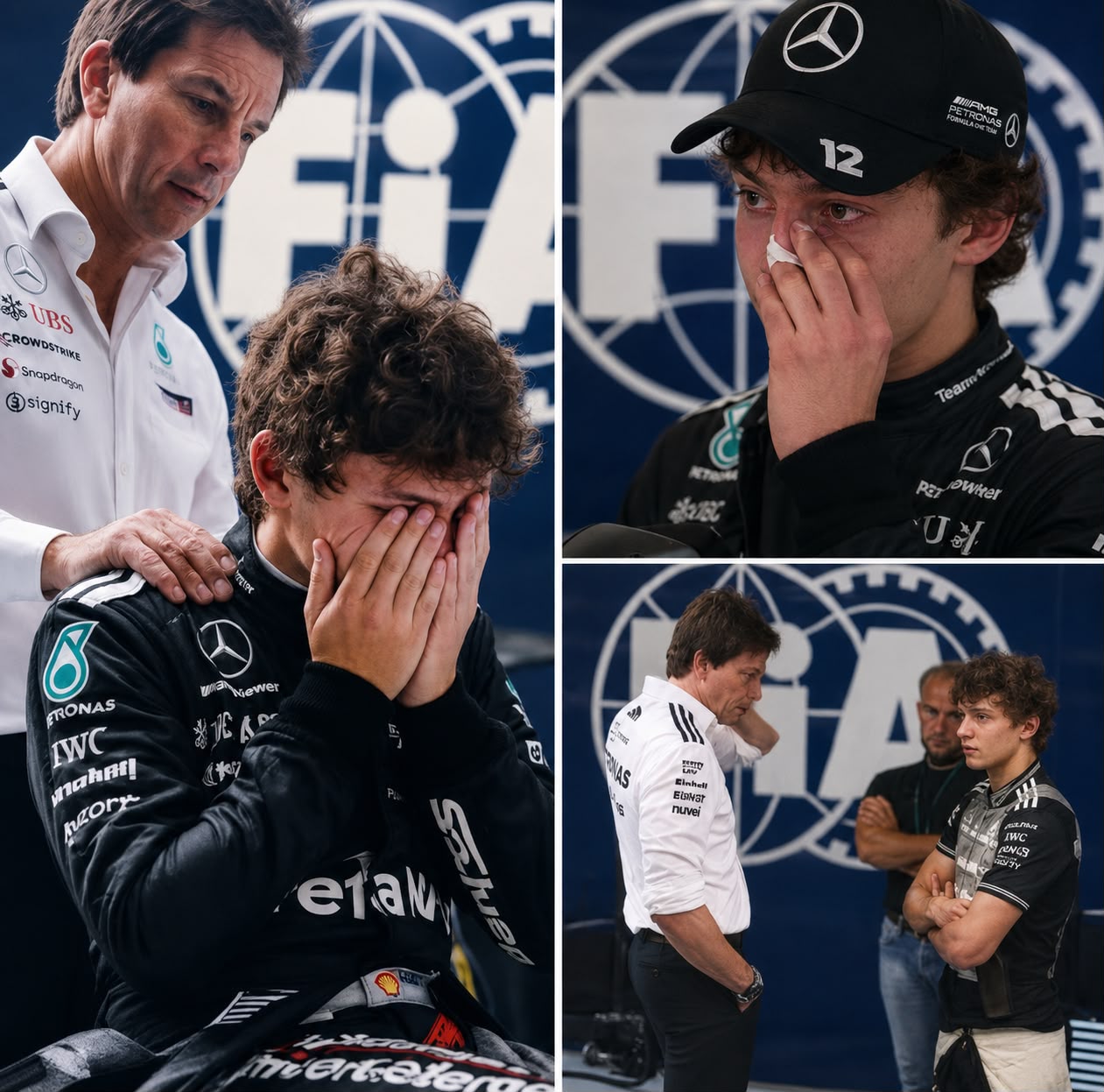
The decision came several hours after the chequered flag and significantly changed the official classification. Ferrari representatives attended the stewards’ hearing before the final verdict was announced. Although the team accepted the findings presented by the FIA, the ruling represented a major setback during what had initially appeared to be a successful weekend.
The exact technical issue responsible for the disqualification was detailed in the FIA’s official stewards’ report. Formula 1 regulations require every competing car to satisfy strict technical standards before, during and after each Grand Prix. Even minor infringements can lead to severe penalties, including exclusion from the final results regardless of where a driver finishes on track.
With Leclerc removed from the classification, Red Bull driver Max Verstappen inherited second place. The Dutchman had originally finished third after spending much of the race battling Ferrari and Mercedes at the front of the field. Although Verstappen had shown competitive speed and briefly challenged for victory during the opening phase of the race, he ultimately settled for third on the road.
The revised classification therefore rewarded Verstappen with an unexpected promotion to the runner-up position, increasing both his championship points and Red Bull’s overall tally in the Constructors’ standings. What initially seemed to be a slightly disappointing afternoon for the reigning world champion was transformed into a far more positive outcome thanks to the FIA’s post-race decision.
The driver who had originally crossed the finish line in fourth place also benefited from Leclerc’s exclusion, moving onto the final step of the podium. Such changes highlight how Formula 1 results can remain provisional until every post-race inspection has been completed and the governing body has officially ratified the classification.
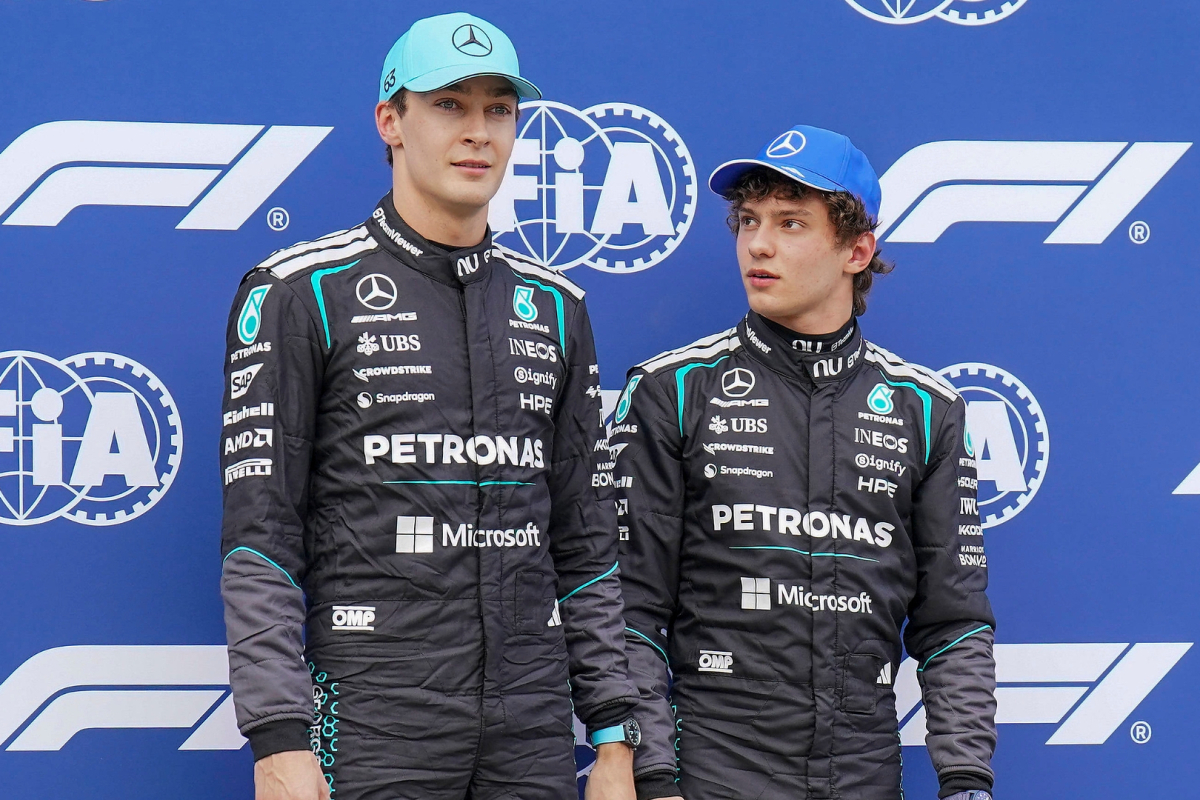
Mercedes emerged as one of the biggest winners from the revised results, although Kimi Antonelli’s victory itself remained unaffected. The young Italian continued his remarkable breakthrough season by securing another Grand Prix triumph, further strengthening his credentials as one of Formula 1’s brightest emerging talents.
Antonelli produced a controlled and confident drive throughout the race, managing the pace from the front while resisting challenges from Ferrari and Red Bull. His victory added another important milestone to Mercedes’ impressive 2026 campaign and reinforced the team’s growing momentum as the championship battle continues.
For Ferrari, however, the post-race disqualification was a painful blow. Instead of leaving Belgium with a substantial points haul, the team departed Spa-Francorchamps empty-handed regarding Leclerc’s result. Losing second place not only affected the driver’s championship ambitions but also reduced Ferrari’s ability to keep pace with its rivals in the Constructors’ Championship.
Every point has become increasingly valuable as the season progresses, making the consequences of the disqualification even more significant. With several races still remaining, Ferrari now faces the challenge of recovering the lost ground against Mercedes, Red Bull and the other leading teams.
Before news of the investigation emerged, Leclerc had expressed satisfaction with both the team’s race strategy and the overall balance of his SF-26 throughout the Belgian Grand Prix. His comments reflected confidence that Ferrari had executed one of its strongest races of the season.
Unfortunately for the Scuderia, those celebrations quickly disappeared once the FIA’s technical inspection identified the regulatory issue. The team’s attention now shifts towards understanding precisely what caused the non-compliance and ensuring similar problems do not occur again during future race weekends.
Technical regulations remain one of the strictest aspects of Formula 1 competition. Every component of a car must operate within tightly controlled limits established by the FIA. Teams invest enormous resources to maximise performance while remaining inside those regulations, but even small deviations discovered after a race can result in severe sanctions.
Over the years, Formula 1 has witnessed several high-profile disqualifications that have dramatically altered race results long after the podium celebrations had concluded. The Belgian Grand Prix now joins that list, serving as another reminder that success in Formula 1 depends not only on speed and strategy but also on complete compliance with the sport’s technical rulebook.
The revised Belgian Grand Prix classification officially records Kimi Antonelli as the race winner, with Max Verstappen promoted to second place and the remaining drivers each moving up one position following Leclerc’s exclusion. While Mercedes leaves Belgium celebrating another major victory, Red Bull gains valuable championship points through Verstappen’s promotion.
Ferrari, meanwhile, will view the weekend as a missed opportunity. What initially appeared to be an excellent result capable of boosting its championship campaign instead concluded with disappointment after the FIA’s ruling. The team must now regroup quickly as the Formula 1 season moves toward its next round.
Ultimately, the dramatic conclusion to the Belgian Grand Prix reinforces one of Formula 1’s enduring realities: race results are never considered final until every technical inspection has been completed and officially approved by the FIA. In this case, those inspections completely changed the outcome behind the race winner, delivering an unexpected reward for Verstappen while leaving Ferrari to reflect on a costly technical infringement that erased an otherwise outstanding performance.
All about sports news and General entertainment