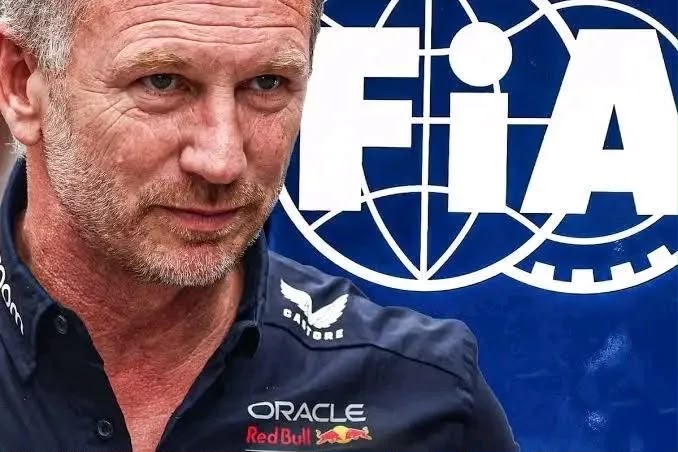

Christian Horner’s F1 Comeback Rumours Intensify as FIA Position Sparks New Wave of Speculation
Christian Horner, the long-serving former Red Bull Racing team principal, is once again at the centre of Formula 1 headlines as growing speculation about his potential return to the sport gathers serious momentum. After a dramatic exit from Red Bull in July 2025, the British motorsport figure has remained a constant topic of discussion in the paddock, with fresh developments suggesting that a comeback may not only be possible but increasingly likely.
Horner, who spent two decades transforming Red Bull into one of the most dominant teams in Formula 1 history, was officially relieved of his duties following internal restructuring and performance-related concerns within the organization. His departure marked the end of an era in which he oversaw multiple championship-winning campaigns and helped shape modern F1 competition through strategic leadership, technical recruitment, and aggressive race management.
Since leaving the team, Horner’s future has been the subject of intense speculation. Initially bound by contractual restrictions following his exit, he was temporarily prevented from immediately re-entering the sport in any official capacity. However, recent reports indicate that those restrictions have either expired or are nearing their end, opening the door for a potential return to the Formula 1 paddock.
FIA Interest and Industry Signals Fuel Comeback Talk
The latest wave of speculation has been amplified by comments and signals emerging from within the FIA and wider Formula 1 leadership structure. FIA President Mohammed Ben Sulayem has reportedly expressed admiration for Horner’s contributions to the sport, even suggesting in various public remarks that Formula 1 “misses” his presence. Such statements have been widely interpreted within motorsport circles as an indirect endorsement of Horner’s potential reintegration into the sport.
At the same time, sources close to the governing body indicate that discussions around the future structure of teams, ownership models, and regulatory frameworks are ongoing. These evolving conditions could create opportunities for experienced executives like Horner to return in expanded roles, possibly extending beyond traditional team principal duties into ownership or investment positions.
One of the most widely discussed possibilities is Horner’s involvement in a potential consortium or investment group seeking entry into Formula 1. Rather than returning in a purely managerial capacity, he has been linked with scenarios that would see him take on a hybrid leadership role combining executive control with equity participation in a team project.
Post-Red Bull Period and Ongoing Influence
Despite leaving Red Bull, Horner has not disappeared from the motorsport scene. On the contrary, he has remained visibly active in paddock-related discussions and industry events. Reports suggest that he has engaged in meetings with several key figures across Formula 1, including team principals and stakeholders exploring future team expansions.
These engagements have fueled claims that Horner is actively seeking a strategic re-entry point into the sport. According to paddock insiders, he has reportedly reached out to multiple team owners in recent months, signaling a strong willingness to return under the right conditions.
However, not all reactions within the sport have been welcoming. Some rival team leaders have expressed caution regarding his return, citing both competitive tensions from his Red Bull tenure and broader political dynamics within Formula 1 governance. These divisions suggest that while Horner remains a highly respected figure for his achievements, his comeback would not be without controversy.
Potential Destinations and Strategic Opportunities
Several potential pathways have been speculated for Horner’s return. Among the most prominent is a possible involvement with Alpine, where restructuring and investment opportunities have been discussed in recent months. Another rumored avenue includes interest from new automotive manufacturers seeking entry into Formula 1, particularly in light of the sport’s growing global appeal and expanding commercial opportunities.
There have also been discussions linking Horner to emerging projects backed by major automotive brands exploring Formula 1 entry. These ventures often require experienced leadership figures who understand both the sporting and commercial complexities of the championship, making Horner a natural candidate given his long track record.
In addition, some analysts have suggested that Horner could return in a consultancy or advisory role initially, before transitioning into a more formal leadership position. This phased approach would allow him to rebuild relationships within the sport while gradually re-establishing a central role in team operations.
Legacy and Continued Reputation in Formula 1
Horner’s reputation in Formula 1 remains deeply influential. Over his 20-year tenure at Red Bull, he played a central role in securing multiple Constructors’ and Drivers’ Championships, guiding the careers of world champions and overseeing one of the most successful eras in modern racing history.
His leadership style, often described as aggressive yet highly strategic, helped Red Bull challenge established giants like Mercedes and Ferrari. Under his guidance, the team not only achieved competitive dominance but also evolved into a global motorsport brand with significant commercial reach.
Even after his departure, Horner’s influence continues to be felt in team structures, technical philosophy, and driver development strategies across the paddock. Many of his former colleagues and rivals still acknowledge the scale of his contribution to Formula 1’s modern competitive landscape.
Challenges Ahead for a Possible Return
Despite growing speculation, a return to Formula 1 would not be straightforward. The sport’s political environment, combined with lingering rivalries and governance complexities, could present significant obstacles. Any comeback would likely require careful negotiation, strategic alignment with team owners, and approval from key regulatory stakeholders.
Furthermore, Horner would need to navigate a paddock that has evolved significantly since his departure. New leadership structures, changing technical regulations, and shifting commercial dynamics mean that any return would demand adaptation rather than simple reinstatement.
Nevertheless, insiders suggest that Horner remains highly motivated and continues to view Formula 1 as unfinished business. His long-standing experience, combined with his network of relationships across the sport, ensures that he remains one of the most talked-about figures in potential future team leadership scenarios.
Conclusion
Christian Horner’s possible return to Formula 1 has rapidly become one of the most intriguing storylines in modern motorsport. With FIA signals, industry speculation, and ongoing engagement with key stakeholders, the foundations for a comeback appear to be forming gradually.
While no official confirmation has been made, the combination of opportunity, experience, and demand suggests that Horner’s story in Formula 1 may not be over yet. Instead, it may be entering a new chapter—one that could see him return not just as a team leader, but potentially as a stakeholder shaping the future of the sport itself.