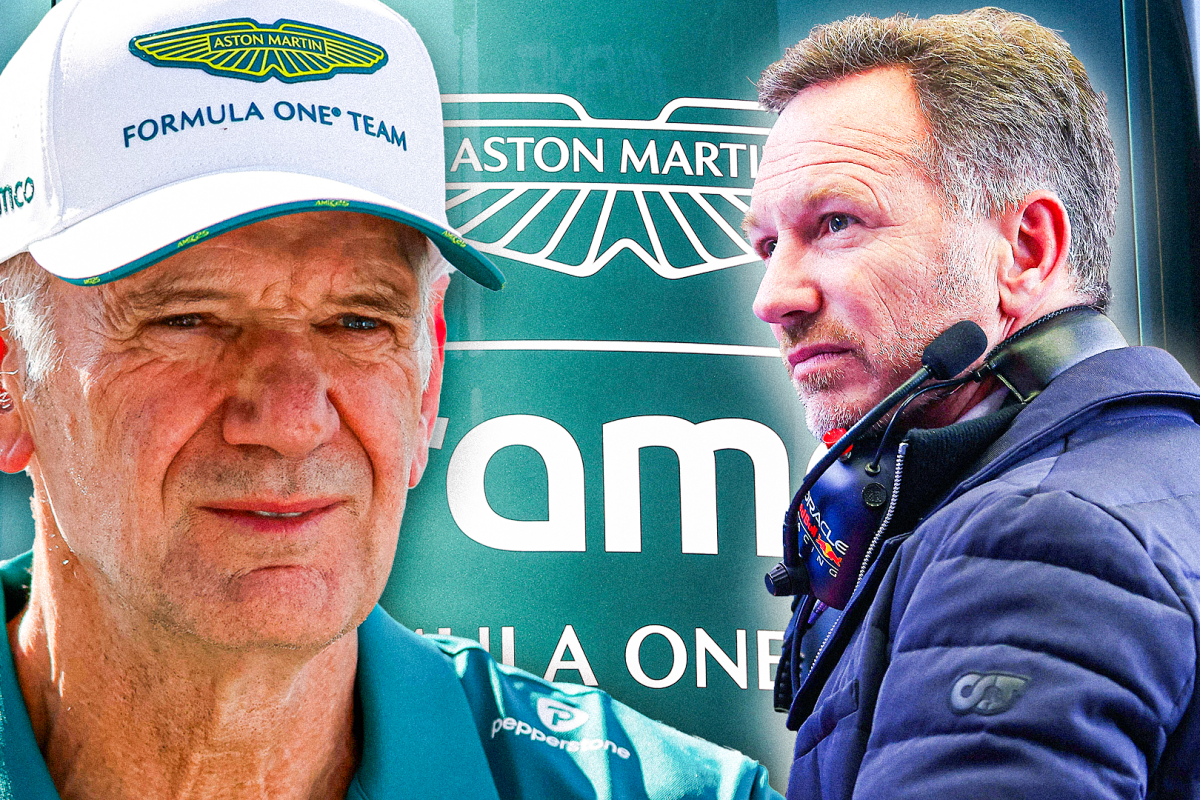
Aston Martin’s Adrian Newey gamble under scrutiny as calls grow for Christian Horner solution
Aston Martin’s Formula 1 project is facing increasing criticism after a disappointing start to the 2026 season, with many now questioning whether the team placed far too much faith in Adrian Newey while overlooking the bigger picture.
At the beginning of the year, Aston Martin built huge anticipation around their new era with dramatic promotional campaigns centered on Newey’s arrival. Social media was filled with carefully crafted black-and-white videos showing the legendary designer holding rulers, sketching concepts, and presenting an almost mythical image of the man expected to transform the team into championship contenders.
The messaging was clear: Newey was the missing piece.
The team leaned heavily into the drama. Their AMR26 launch was promoted with cinematic flair, complete with celebrity narration and artistic visuals that made the car feel more like a luxury statement than a racing machine. It was designed to signal that Aston Martin were entering Formula 1’s elite tier alongside giants like Ferrari and Mercedes.
There was only one problem — the car failed to deliver.
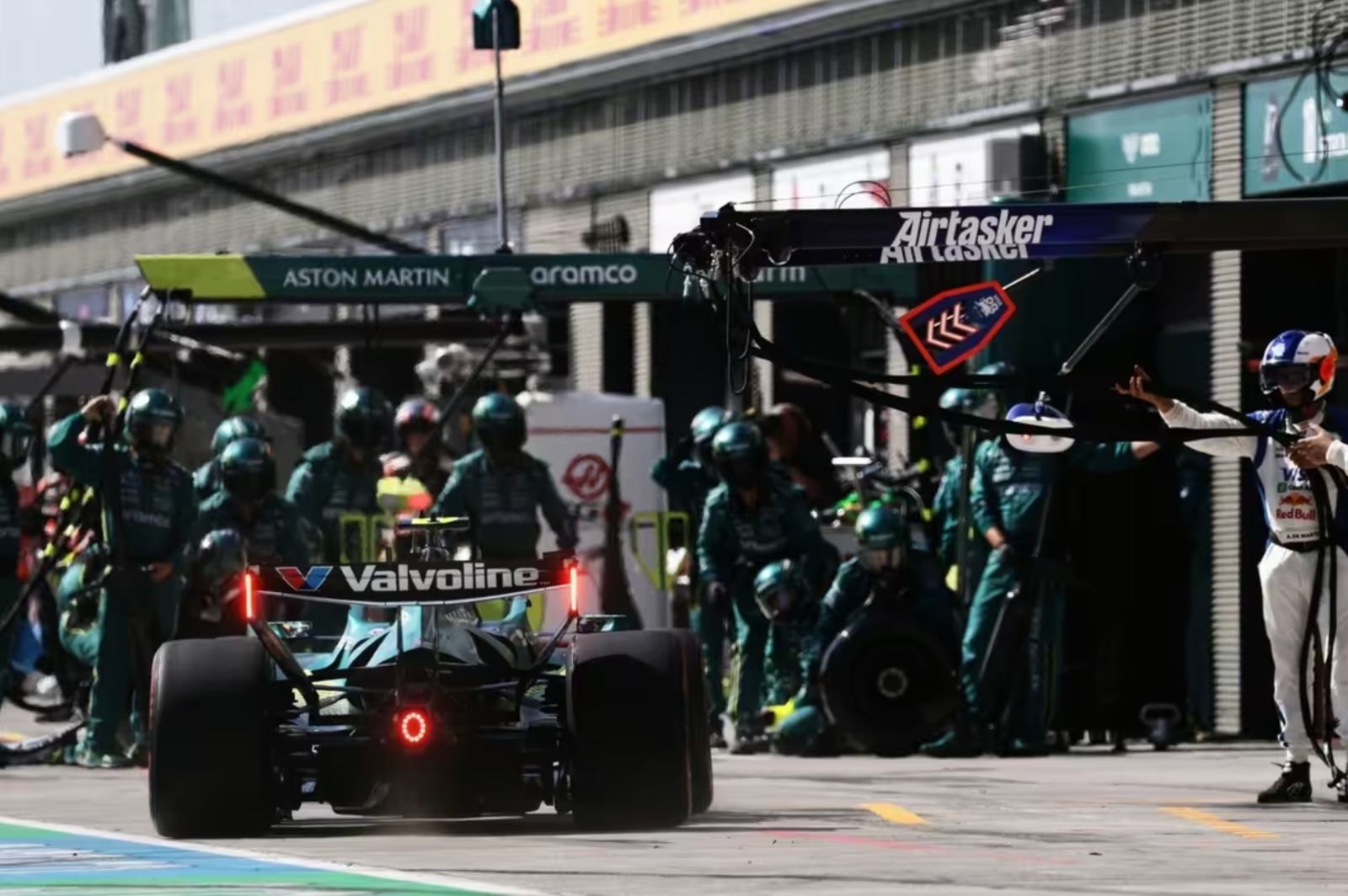
When Aston Martin arrived for pre-season testing and later struggled badly in Bahrain, the contrast between the polished image and on-track reality became impossible to ignore. The AMR26 lacked pace, consistency, and reliability. In Barcelona, the team even arrived with minimal visual upgrades and little sign of progress, while rivals continued to move forward.
The situation became even more concerning in Melbourne when serious vibration problems threatened the team’s ability to even finish the race. What was supposed to be a title-building campaign quickly turned into damage limitation.
Naturally, attention turned to Newey.
How could one of Formula 1’s greatest design minds produce such an underwhelming machine? Had owner Lawrence Stroll spent enormous sums on a star name without getting the expected return?
However, Aston Martin quickly pointed elsewhere for answers. Reports suggested that Honda’s new power unit was behind the severe vibration issues, with problems apparently deeper than first expected. According to insiders, the troubles at Honda’s Sakura base were more significant than Aston Martin had initially understood, leaving the team with little time to react before the season began.
That explanation may hold some truth, but it also highlights Aston Martin’s biggest weakness.
By presenting Newey as the single savior of the project, the team created unrealistic expectations and placed too much of the burden on one individual. Formula 1 success has never been about one genius working alone. It requires complete alignment between chassis design, power unit development, operations, strategy, and leadership.
Aston Martin’s mistake may not have been signing Newey — it may have been believing that signing him was enough.
Rather than building a fully united structure, the team appeared to focus heavily on the image of Newey as the answer to everything. In doing so, they risked neglecting the collaboration required with partners like Honda, whose role is just as crucial in a modern F1 operation.
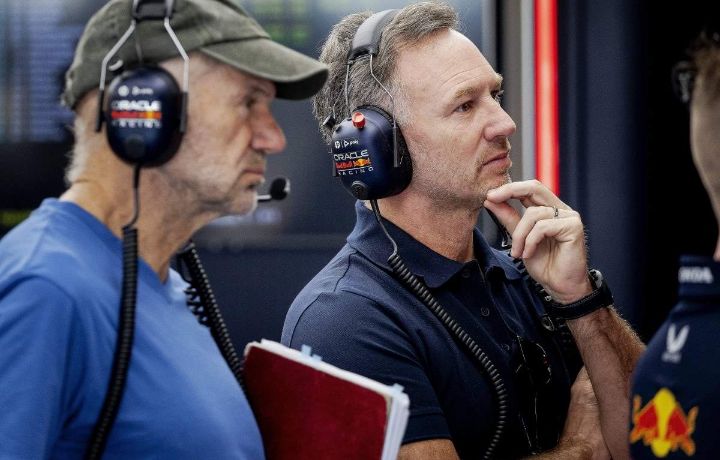
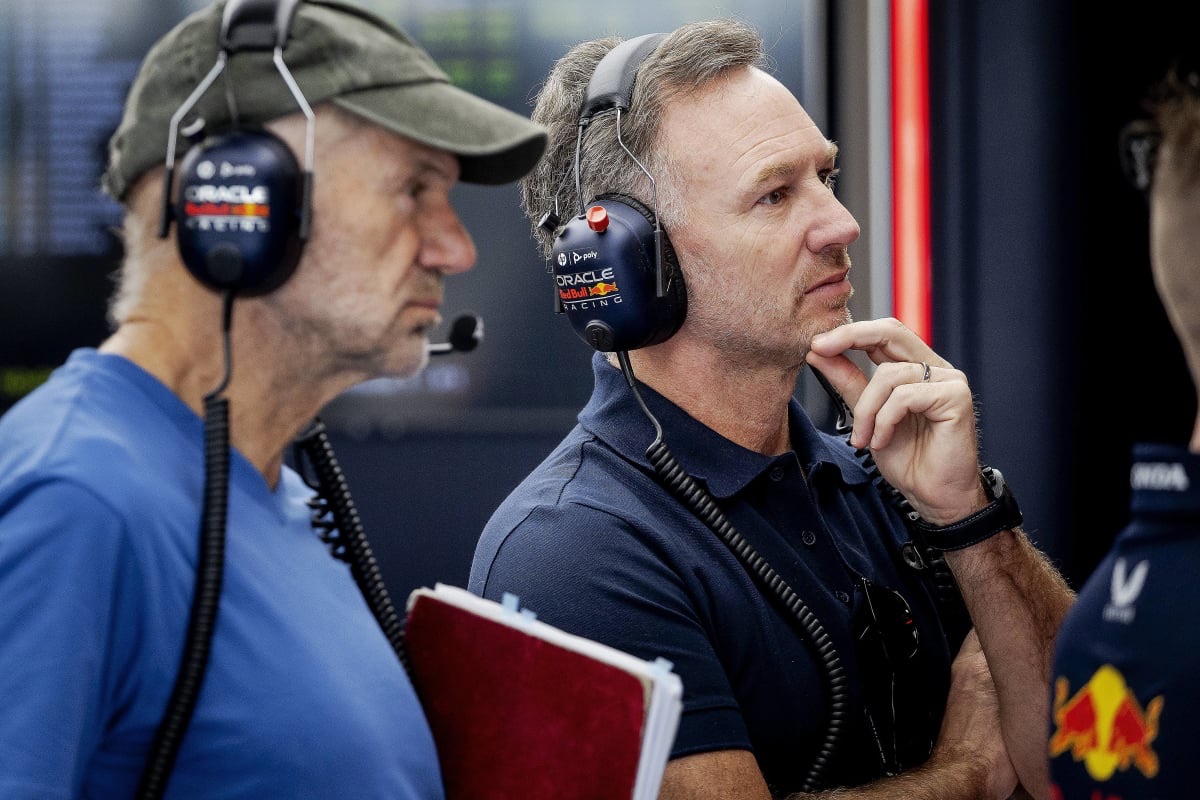
This is where some believe Christian Horner could provide the missing solution.
The Red Bull team principal has spent years overseeing one of the most successful operations in Formula 1 history, balancing engineering talent, driver management, and long-term planning. While Newey is a technical genius, Horner represents the leadership and organizational discipline needed to turn talent into titles.
Some now argue that if Aston Martin truly want to become champions, they need a figure like Horner to lead the entire structure rather than relying solely on Newey’s brilliance in the design office.
Newey should never have been expected to be the team’s symbolic leader. His job is to create fast cars, not carry the full weight of Aston Martin’s championship ambitions.
The 2026 season is still young, but the early signs suggest Aston Martin’s glamorous launch may have masked deeper structural problems. The excitement of signing one of F1’s greatest minds created headlines, but headlines do not win championships.
Results do.
And right now, Aston Martin are learning that Formula 1 success takes far more than aura, marketing, and one famous name.