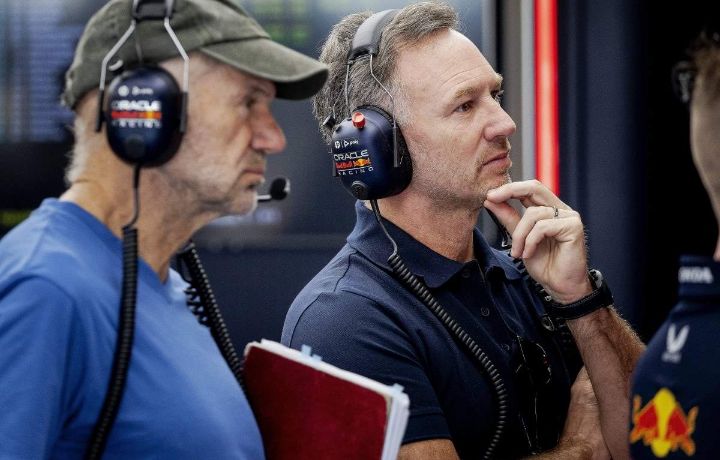
Christian Horner’s potential return to Formula 1 isn’t just a story about a team boss getting a second act. It’s about a major shift in the sport’s internal balance of power.
The former Red Bull Racing team principal has been out of the paddock since leaving his role last year, but speculation about his comeback has been building steadily. And if Horner does walk back through the paddock gates, it won’t be as a quiet, experienced manager looking to fill a seat. It would be a calculated move by one of F1’s most seasoned political operators.
Horner’s track record speaks for itself. Over two decades at Red Bull, he oversaw multiple drivers’ and constructors’ championships, managed high-profile driver lineups, and spent years battling Mercedes, Ferrari, and even the FIA and F1’s commercial rights holders on and off track. He’s not known for staying in the background. His influence extended beyond race strategy into the political maneuvering that shapes how the sport is run. That’s why his absence has been felt, and why his return would matter.
FIA President Backs Horner’s Return
The clearest signal that Horner is still welcome in the sport came from FIA president Mohammed Ben Sulayem. He has publicly said that F1 misses Horner and that he would support his return.
“Who can remove Christian Horner’s name from motorsport and Formula 1?” Ben Sulayem asked. “If you ask me, we miss him in this sport, and I do. I keep in touch with him. He was good for the team, good for the sport. We would welcome him back and someone like him will always find his way.”
That kind of endorsement from the FIA’s top official matters. It removes one of the biggest potential barriers to a comeback and makes it clear that Horner wouldn’t be returning to a cold shoulder. But Ben Sulayem’s comments also underline the point: Horner isn’t just a manager. He’s a figure whose presence changes the dynamics of the paddock.
Why Horner Won’t Return for a Small Role
Don’t expect Horner to reappear in a low-profile position. After 20 years at the top with Red Bull, multiple title fights, and constant exposure to the political side of F1, he’s unlikely to accept a role that limits his influence. Any comeback would need to offer real authority, decision-making power, and the ability to shape a project from the ground up.
This is a person who has run one of the most successful teams in modern F1 history. He’s used to being in the room where key decisions are made. A middle-management role wouldn’t fit, and it wouldn’t make sense for a team looking to hire him either. They’d be bringing him in for his leadership, his network, and his ability to drive a team forward.
Alpine Looks Like the Most Logical Fit
The team most often linked to Horner is Alpine. Earlier this year, Alpine confirmed that Horner was part of an investor group that had shown interest in the team’s F1 operation. The discussions were with current shareholders rather than for a straightforward team principal vacancy, but the connection is there.
Alpine makes sense on paper. It has a strong heritage, solid facilities, a deal to use Mercedes power units, and the potential to grow. What it hasn’t had in recent years is stability and clear direction. The team has cycled through leadership changes and struggled to present a consistent project to drivers, sponsors, and fans.
That’s where Horner would add immediate value. He brings authority, experience in managing large technical and commercial operations, and a reputation that could attract talent and investment. The question is whether Renault, Alpine’s parent company, would be comfortable with someone that powerful inside the organization. Bringing Horner in, especially if it involves an investment component, means giving up a significant amount of control. For a team that has struggled to find its identity, that might be exactly what’s needed. For Renault’s management, it could be a harder sell.
What a Horner Return Would Mean for F1
If Horner does return, the impact would go beyond one team. His relationships, his understanding of the regulations, and his history of lobbying for competitive advantage would immediately shift how other teams operate. Rivals would have to adjust their strategies both on and off track. Sponsors and drivers would take notice. The paddock’s political landscape, which has been relatively settled since his departure, would be unsettled again.
In short, a Horner comeback wouldn’t be a nostalgia tour. It would be a power play. And whoever gives him the right platform could gain more than just a team principal. They’d gain one of the most influential figures in modern Formula 1.