F1 2026 Austrian Grand Prix: Full Weekend Schedule Confirmed as Formula 1 Heads to the Red Bull Ring
Formula 1 has officially confirmed the complete schedule for the 2026 Austrian Grand Prix weekend, with teams and drivers now preparing for another action-packed visit to the iconic Red Bull Ring in Spielberg. As the championship enters another crucial phase, fans around the world are eagerly anticipating three days of high-speed action, strategic battles, and intense competition at one of the shortest yet most demanding circuits on the Formula 1 calendar. The Austrian Grand Prix is scheduled to take place from Friday, June 26, through Sunday, June 28, with the main race serving as another significant opportunity for teams to strengthen their championship campaigns.
The Red Bull Ring has earned a reputation as one of Formula 1’s most exciting venues. Although relatively short in length, the circuit consistently delivers close racing thanks to its combination of long straights, heavy braking zones, sweeping corners, and significant elevation changes. Drivers are required to balance outright speed with precise car control, making every session—from practice to qualifying and the race itself—extremely important.
The race weekend officially begins on Friday with the opening practice sessions. Free Practice One will allow teams to collect valuable data on tyre performance, aerodynamic balance, and overall car setup. Engineers will carefully evaluate every lap completed by their drivers, using the information to determine the most competitive configuration for the remainder of the weekend.
Later on Friday, Free Practice Two will provide another opportunity for teams to refine their race pace and qualifying simulations. This second session is often viewed as one of the most informative periods of the weekend because track conditions are usually closer to those expected during qualifying and Sunday’s Grand Prix. Teams will also assess fuel loads, tyre degradation, and long-run consistency as they prepare their race strategies.
Saturday’s schedule begins with the third and final practice session. Although shorter than the previous day’s preparations, Practice Three is often the final chance for teams to make adjustments before qualifying. Even small improvements to suspension settings, aerodynamic balance, or tyre management can make a significant difference around a circuit where lap times are frequently separated by only a few hundredths of a second.
Qualifying later on Saturday promises to be one of the highlights of the weekend. The Red Bull Ring’s compact layout means the margins between drivers are traditionally extremely tight, with a minor mistake capable of dropping a driver several positions on the starting grid. Securing pole position has historically provided a valuable advantage, particularly because overtaking opportunities, while available, still require careful strategy and precise execution.
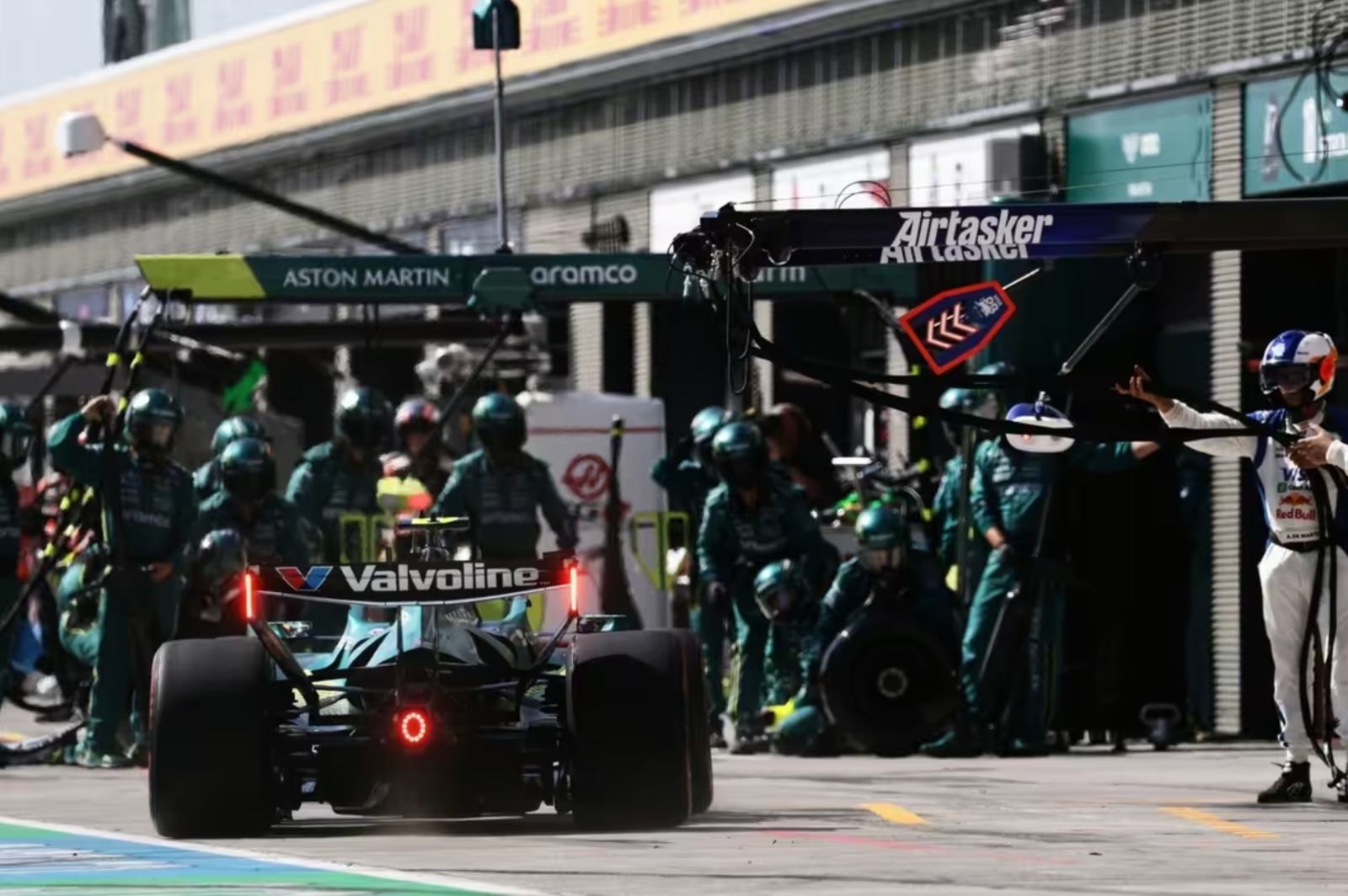
The main event arrives on Sunday when drivers line up for the Austrian Grand Prix over 71 laps. The race will test not only outright speed but also tyre management, pit-stop execution, fuel strategy, and driver consistency. Teams must carefully monitor changing weather conditions, tyre wear, and potential safety car interventions that could dramatically alter the race outcome.
Beyond the Formula 1 sessions, spectators attending the Red Bull Ring will also enjoy an extensive programme of support races. FIA Formula 2 and FIA Formula 3 will both feature throughout the weekend, giving fans the opportunity to watch some of motorsport’s brightest young talents compete as they continue their pursuit of Formula 1 careers. The Porsche Mobil 1 Supercup will also return, adding another exciting category to an already packed schedule.
The Austrian Grand Prix holds special significance for the Red Bull organisation, as the race takes place at the company’s home circuit. Local supporters traditionally create one of the season’s most colourful atmospheres, with thousands of fans filling the grandstands wearing orange and cheering passionately throughout the weekend. The event has become one of the most anticipated races on the Formula 1 calendar because of its unique setting among the Styrian mountains and its consistently entertaining racing.
The Red Bull Ring’s layout rewards drivers who can combine aggressive braking with strong traction out of slower corners. While the circuit contains only a handful of turns, every corner presents its own challenge, requiring maximum precision to achieve competitive lap times. The long uphill straights place additional demands on engine performance, while the fast downhill final sector tests both driver confidence and aerodynamic stability.
As the championship battle continues to develop, every point available in Austria could prove vital by the end of the season. Teams will be fully aware that a successful weekend could significantly strengthen their position in both the Drivers’ and Constructors’ Championships. Likewise, any mistakes—whether mechanical, strategic, or driver-related—could have lasting consequences during such a competitive campaign.
Tyre strategy is also expected to play a crucial role. The Red Bull Ring’s abrasive surface and repeated heavy braking zones place considerable stress on the tyres, forcing teams to carefully manage degradation throughout the race. Engineers will spend much of Friday and Saturday analysing tyre performance data in an effort to determine the most effective race strategy.
Weather conditions remain another important variable. Although Austria often enjoys pleasant summer temperatures during race weekend, the mountainous location can produce rapidly changing weather patterns. A sudden rain shower has the potential to transform the competitive order almost instantly, rewarding teams that react quickly with well-timed strategy decisions.
Formula 1 officials have confirmed that the official race timetable remains subject to any last-minute operational adjustments, although the overall weekend programme has now been finalised. Fans planning to follow the action can look forward to a full schedule featuring practice sessions, qualifying, support races, driver activities, and the highly anticipated Austrian Grand Prix itself.
With another fascinating weekend now approaching, anticipation continues to build across the Formula 1 paddock. The combination of a challenging circuit, passionate fans, unpredictable strategy, and fierce championship competition should once again deliver one of the standout events of the 2026 Formula 1 season. Every session will carry importance, but all attention will ultimately focus on Sunday afternoon when the lights go out and the battle for victory at the Red Bull Ring officially begins.