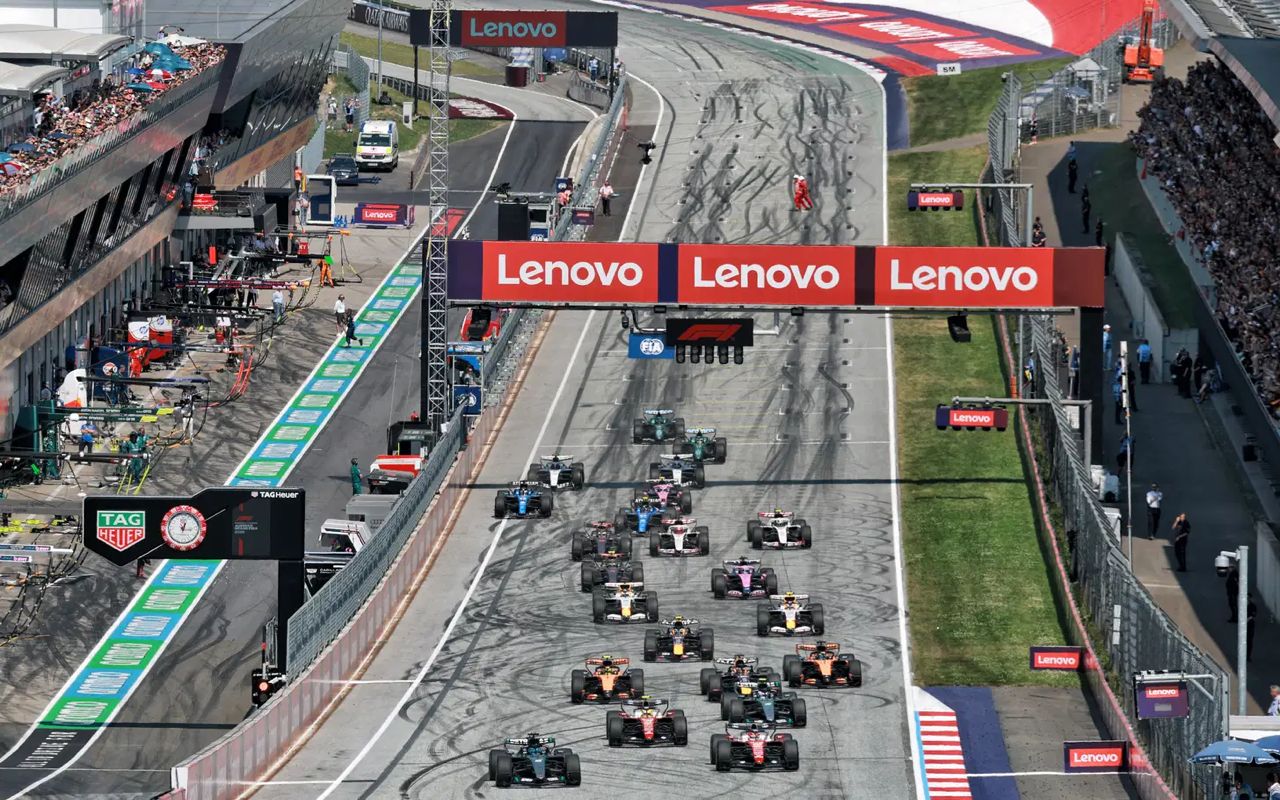

The 2026 Austrian Grand Prix at the Red Bull Ring will go down as one of the most chaotic, rulebook-straining weekends in recent Formula 1 history. While the on-track action kept fans electrified from lights out to the checkered flag, the true drama unfolded long after the engines were silenced. In an extraordinary post-race intervention, the Fédération Internationale de l’Automobile (FIA) governance board issued a sweeping wave of late penalties that fundamentally reshaped both the final race classification and the overarching 2026 World Championship standings.
For teams and drivers fighting for every single point in this intensely competitive season, the post-race boardroom decisions proved just as consequential as the tactical decisions made on the pit wall. The fallout from Spielberg has reverberated across the paddock, creating massive shifts in both the Drivers’ and Constructors’ title races.
Tt
The Catalyst: Tracking the FIA’s Regulatory Crackdown
The sudden alteration of the race results stemmed from a rigorous post-race review by the FIA stewards, who found themselves inundated with potential infractions. The Red Bull Ring, with its rapid elevation changes and deceivingly wide exit curbs at turns nine and ten, has historically been a hotbed for track limits violations. However, the 2026 running saw the policing reach unprecedented levels of technological scrutiny.
Throughout the Grand Prix, drivers routinely pushed their machinery to the absolute edge to extract milliseconds of lap time. In doing so, several crossed the white boundary lines consistently enough to trigger final warnings during the race. When the checkered flag dropped, automated tracking loops and high-speed telemetry gave the stewards a mountain of data to cross-examine.
The resulting investigation went far deeper than basic track violations. Stewards also dissected late-race wheel-to-wheel defensive maneuvers, pit-lane entry infractions, and failure to respect yellow-flag conditions during late-stage incidents. The final verdict came down like a hammer: multiple drivers were slapped with retrospective five-second and ten-second time penalties. Because the grid had finished in incredibly tight packages frequently separated by mere fractions of a second these post-race time additions acted like a seismic shift, dropping penalised drivers multiple positions down the order and entirely rewriting the points distribution.
The New Frontier: Drivers’ Championship Standings After Spielberg
The recalculation of points has thrown a fascinating curveball into the Drivers’ Championship table. While the frontrunners managed to escape the heaviest penalties, the chaotic shuffling of the top ten completely altered the chasing pack’s momentum.
At the absolute peak of the standings, the battle remains a fierce dogfight. Max Verstappen, despite navigating a highly contentious weekend plagued by fierce battles and post-race investigations, managed to protect his baseline position to walk away with a major haul of points. His unrelenting consistency continues to position him as the championship benchmark, though his rivals are closing the deficit.
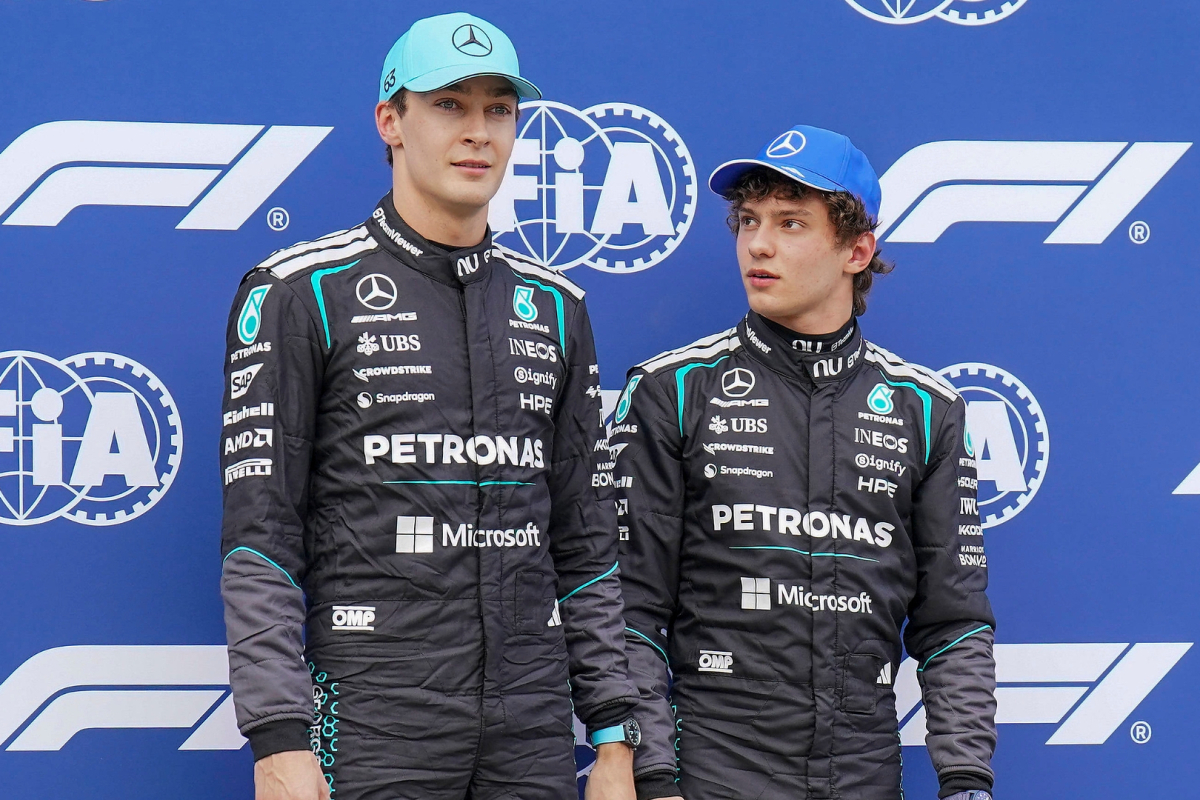
George Russell’s spectacular performance and confirmed victory have vaulted him aggressively up the leaderboard. The Mercedes driver has proved that when the car aligns with his driving style, he is a formidable force capable of fighting the reigning champion step for step.
Meanwhile, the late penalties devastated the mid-field drivers who thought they had secured crucial top-ten points. Drivers from McLaren, Ferrari, and Aston Martin saw their hard work undone by five-second margins, triggering immense frustration within their camps but opening the door for opportunistic rivals who drove cleaner, more disciplined races to inherit higher championship rankings.
The Constructors’ Title War Intensifies
If the Drivers’ standings look volatile, the Constructors’ Championship is nothing short of a battleground. In Formula 1, the teams’ championship dictates financial payouts and team prestige, meaning every singular point lost to a post-race penalty carries massive financial and developmental implications.
Oracle Red Bull Racing: Despite missing out on a pristine home-track victory celebration, Red Bull continues to hold the premium position at the top of the constructors’ ladder. The Milton Keynes-based squad relied heavily on Verstappen’s damage-limitation drive to maintain a buffer, though structural reliability and second-driver consistency remain key talking points moving forward.
Mercedes-AMG Petronas: The silver arrows are experiencing a genuine resurgence. Armed with Russell’s definitive victory and a clean penalty sheet for their cars, Mercedes maximized their weekend haul. This massive infusion of points brings them within striking distance of the front, solidifying their status as genuine title contenders rather than outside podium threats.
Ferrari and McLaren: Both iconic outfits suffered contrasting fortunes due to the FIA’s late-night rulings. While certain cars within their stables showed blistering pace, operational mistakes and track infractions cost them dearly in the adjusted results. The lost points have forced both teams to re-evaluate their operational discipline as they look to prevent self-inflicted damage in upcoming rounds.
> **The Cost of Discipline:** At the elite level of Formula 1, a single track-limit error resulting in a 5-second penalty can cost a team millions of dollars in final constructors’ standings prize money.
Looking Ahead: The Precedent Has Been Set
The aftermath of the 2026 Austrian Grand Prix has established an uncompromising precedent for the rest of the calendar year. The FIA has made it crystal clear that technological policing will not back down, and drivers will be held strictly accountable to the millimeter, regardless of how thrilling the on-track spectacle might be.
As teams pack up their paddocks and transport their operations to the next venue, the engineering debriefs will likely focus heavily on discipline and car control. Drivers now know that crossing the white line is no longer a minor gamble—it is a direct threat to their championship aspirations. With the gaps in both the Drivers’ and Constructors’ standings closing to razor-thin margins, the 2026 championship race has transitioned into an elite game of high-speed chess where precision is just as critical as raw horsepower.