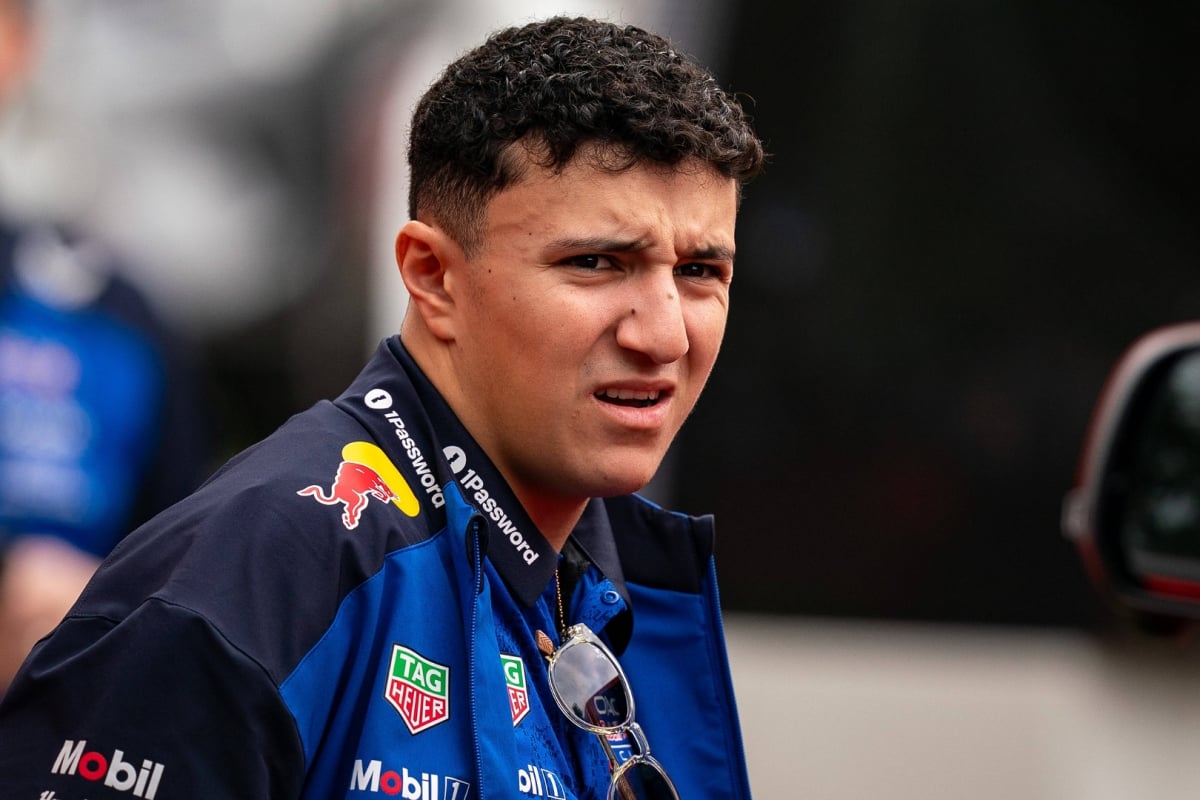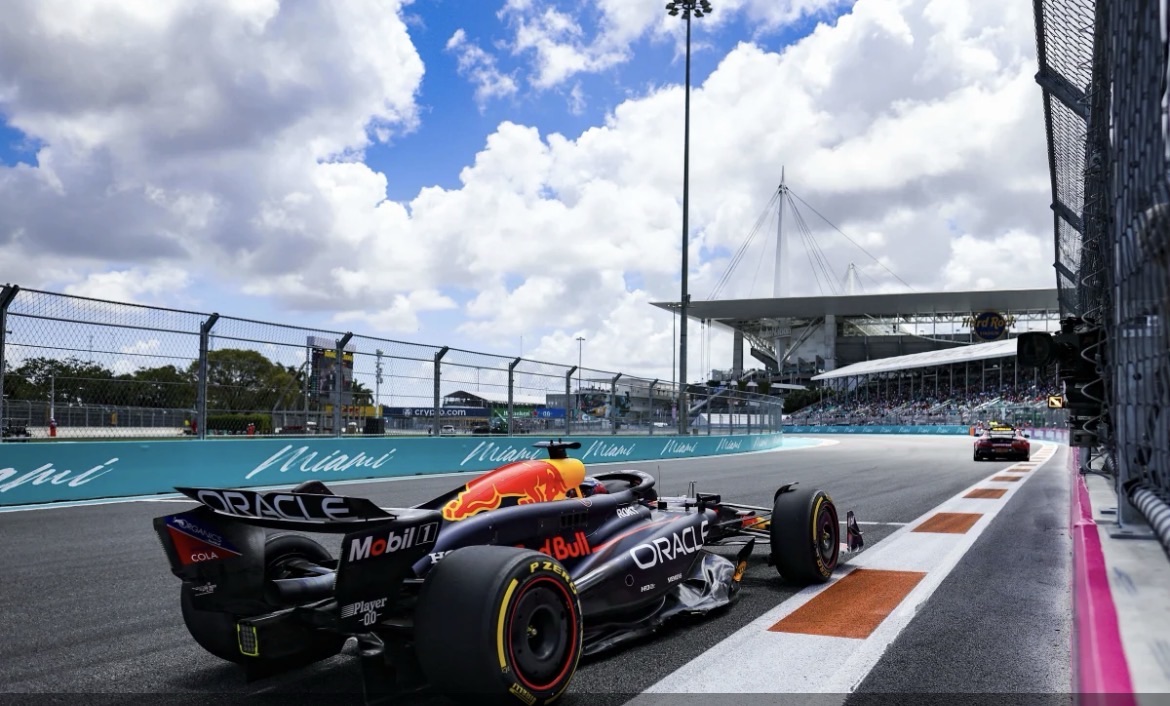
The Miami Grand Prix is set to serve up contrasting conditions as Formula 1 returns to Florida this weekend after a five-week break.
The paddock heads to the Miami International Autodrome for a sprint weekend, meaning competitive sessions run across all three days. Friday and Saturday are forecast to be hot and dry, but Sunday’s main race could be disrupted by showers and thunderstorms, adding a layer of uncertainty to the 2026 season’s restart.
Hot and Dry for Friday and Saturday
Teams should get stable, predictable conditions for the early part of the weekend. Temperatures are expected to climb above 30°C on both Friday and Saturday, with plenty of sunshine over Miami Gardens.
That heat will put extra stress on tyres and cooling systems. Track temperatures are likely to be high throughout the opening two days, making tyre degradation a key factor even in the shorter sprint race. Engineers will be watching how their 2026 cars handle the surface in extreme heat, especially after five weeks without competitive running.
Friday, May 1: FP1 and Sprint Qualifying
Friday looks set to be hot and mostly dry, with highs around 33°C. FP1 kicks off at 12:00 local time and has been extended to 90 minutes following the long calendar gap since the Japanese Grand Prix. The extra half-hour should help teams gather data in consistent, sunny conditions, with no rain currently on the radar.
Sprint qualifying follows at 16:30 local time. Even with the later start, temperatures will remain high, meaning tyre behavior and cooling will stay in focus. The dry track should give teams a clean read on performance, but the heat could exaggerate any balance or overheating issues.
Saturday, May 2: Sprint Race and Qualifying
Saturday is also expected to stay hot and dry, with temperatures peaking at 33-34°C.
The sprint race begins at 12:00 local time, putting drivers into some of the hottest conditions of the weekend during the first competitive session. Tyre wear could become critical over the 100km sprint, especially for cars that struggle with traction in high temperatures.
Qualifying for the main grand prix is scheduled for 16:00 local time. Current forecasts show dry weather holding through the afternoon, giving teams a stable platform to set their grid positions. That’s important on a street circuit like Miami, where track position often dictates race outcome. With no rain forecast during the day, Saturday should provide clean, representative running for both the sprint and qualifying.
Sunday, May 3: Race Day Rain Risk
Sunday is where things get unpredictable. The Miami Grand Prix is set to start at 16:00 local time, with temperatures forecast to drop slightly to around 27-28°C. More importantly, the chance of rain is high.
Current predictions put the probability of showers and thunderstorms at 64% during race time. If rain arrives before or during the race, it could completely change the complexion of the weekend. After two dry days of running, teams will have limited wet-weather data to work from, making strategy calls around tyres, pit timing, and setup much more difficult.
A wet or mixed-conditions race would force teams to adapt quickly. Do they gamble on slicks if the track is drying? When do they switch to intermediates or full wets? The timing of a rain shower could decide the result, and with only one practice session under dry conditions, there’s little margin for error.
Why the Weather Matters for Miami 2026
The forecast creates a classic sprint weekend dilemma. Friday and Saturday will be dominated by heat management and tyre performance in dry conditions. Teams will focus on long-run pace, cooling efficiency, and single-lap speed for qualifying. But all that data could become less relevant if Sunday brings rain.
Miami’s street circuit surface is also a factor. Temporary circuits often have lower grip when wet and can take time to dry once rain stops. Combined with the risk of standing water and poor visibility, a wet race could bring safety cars and red flags into play.
For fans, the potential for rain adds excitement. After a period of Mercedes dominance in dry conditions, a weather-affected race could shake up the order and give other teams a chance to score big points. It also puts extra pressure on drivers, who must adapt to changing grip levels while managing strategy on the fly.
Teams Face a Strategy Puzzle
The biggest challenge for teams is the contrast between practice and race conditions. Most of the setup work will be done in hot, dry running on Friday and Saturday. But if Sunday turns wet, those setups may not transfer well.
Teams will need contingency plans for multiple scenarios: a fully wet race, a drying track, or a race starting wet and ending dry. Tyre allocation becomes crucial, with teams having to balance how many sets of wet and dry compounds they keep available. Pit timing will also be critical — one wrong call on a drying track can cost 20 seconds and several positions.
The extended FP1 session on Friday helps, but it’s all dry running. There’s no guarantee teams will get any wet practice before the race, meaning drivers and engineers may be reacting in real time on Sunday.
Could Rain Actually Hit the Race?
At this stage, Friday and Saturday look solid for hot, dry running. Sunday remains the question mark. Weather in Miami during May is notoriously volatile, with afternoon thunderstorms common. The 64% chance of rain suggests it’s more likely than not that showers will play a role.
For the championship, that adds another twist. Mercedes currently leads both titles after a strong start, but a wet race could level the field. McLaren, targeting a big upgrade in Miami, might also benefit if conditions turn chaotic. Even drivers like Isack Hadjar, who have impressed in the dry, will need to prove they can handle wet-weather racing.
Fan Perspective
For spectators, a wet Miami GP would be dramatic. The sprint format already compresses action into three days, and adding rain to the mix increases the chance of surprises. A chaotic race could produce an unexpected winner and shake up the standings heading into the European leg of the season.
For now, teams are preparing for both possibilities. Friday and Saturday should be straightforward, but Sunday is wide open. If the thunderstorms arrive as forecast, the Miami Grand Prix could go from a controlled sprint weekend to one of the most unpredictable races of 2026.
As always in Miami, expect heat, humidity, and a good chance of a storm rolling in right when it matters most.