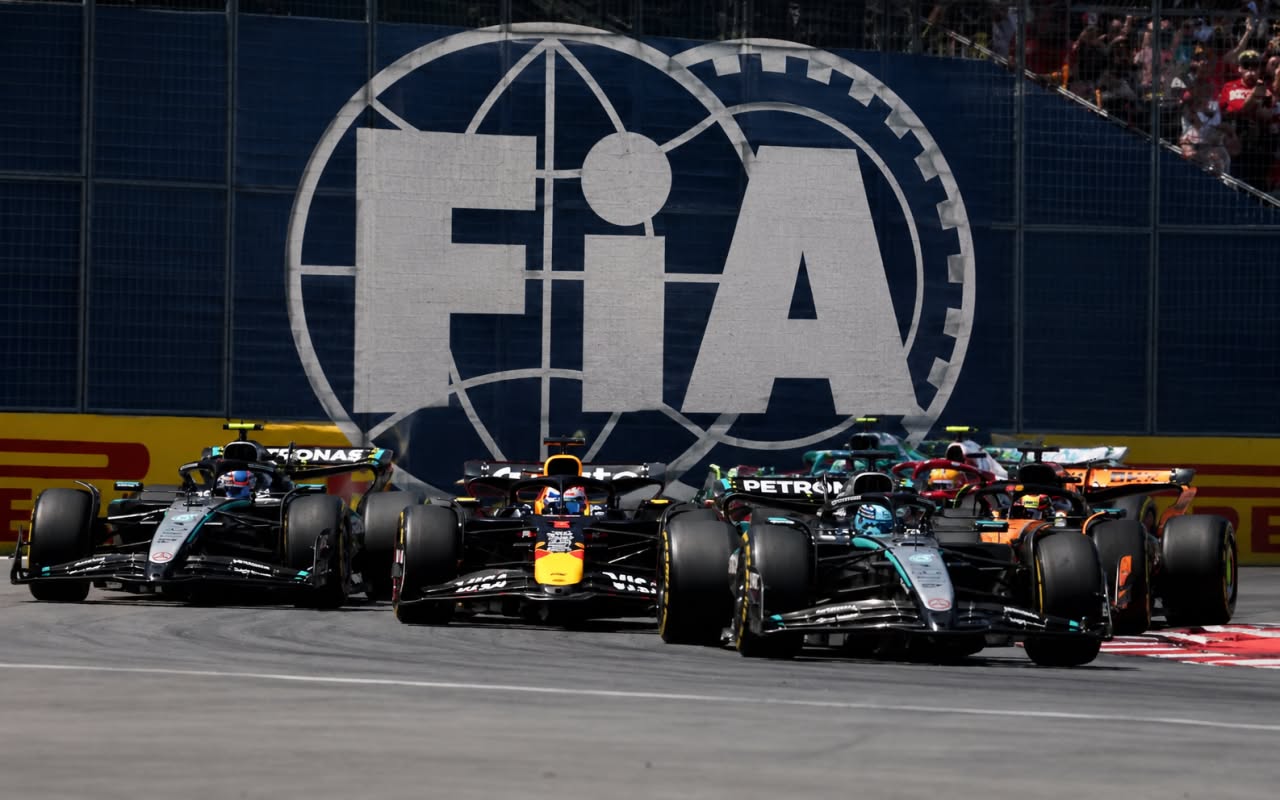

A major controversy has emerged within international motorsport following a strongly worded letter sent by professional racing drivers to the president of the Fédération Internationale de l’Automobile (FIA), Mohammed Ben Sulayem. The communication, described by many as explosive, reflects growing dissatisfaction among drivers regarding how certain aspects of the sport are being managed, particularly in relation to race officiating and regulatory consistency.
The letter, which was collectively signed by all 20 drivers competing in the current Formula E championship, represents a rare and unified stance from competitors. It was formally delivered to the FIA president on March 11 by driver representatives Lucas di Grassi and Oliver Rowland. This coordinated action underscores the seriousness of the concerns being raised and highlights the extent to which frustration has spread throughout the grid.
Although the message begins on a respectful and constructive note, acknowledging improvements made in areas such as safety, marshalling, and technical standards, its tone quickly shifts to one of concern. The drivers emphasize that while progress has been made in certain operational aspects of the sport, there are still fundamental issues that need urgent attention.
At the heart of the letter is a collective complaint about what the drivers perceive as inconsistent and inadequate stewarding. They argue that decisions made during races often lack uniformity and coherence, leading to confusion and, in some cases, unfair outcomes. According to the drivers, this inconsistency undermines the credibility of the competition and creates uncertainty among participants who rely on clear and predictable rule enforcement.
In addition to concerns about stewarding, the drivers also raise questions about the effectiveness of race direction. They express doubts about whether those responsible for overseeing races fully understand the unique nature and demands of Formula E racing. This perceived lack of understanding, they suggest, contributes to questionable decisions and reinforces the need for reform.
One of the most notable aspects of the letter is its direct call for an internal evaluation of the current race director. The drivers argue that leadership in this role must demonstrate not only competence but also the ability to learn from past mistakes. Without such qualities, they warn, it will be difficult for the sport to achieve meaningful improvement or maintain the confidence of its competitors.
Furthermore, the drivers advocate for the appointment of advisors who possess direct experience in Formula E. They believe that having individuals with firsthand knowledge of the discipline involved in decision-making processes would significantly improve the quality and relevance of judgments made during races. This recommendation reflects a broader desire for greater expertise and specialization within the sport’s governing structures.
Another key demand outlined in the letter is the establishment of an independent review into stewarding practices. The drivers argue that an external assessment would help identify shortcomings, ensure accountability, and ultimately lead to more consistent and transparent decision-making. This proposal indicates a lack of confidence in the current system and a belief that meaningful change may require oversight beyond existing internal mechanisms.
Beyond specific recommendations, the letter also highlights a deeper issue: a perceived disconnect between drivers and the governing body. Several competitors have reportedly expressed that they feel unheard within the paddock, suggesting that their feedback is not being adequately considered in decision-making processes. This sense of marginalization appears to have contributed significantly to the decision to take collective action.
The seriousness of the situation is further emphasized by reports that some drivers have little or no professional confidence in certain senior officials within the championship. Such statements point to a broader crisis of trust that extends beyond individual incidents and raises questions about the overall governance of the sport.
Despite the strong criticisms outlined in the letter, the FIA has responded in a measured manner. A spokesperson for the organization confirmed that it remains in regular communication with drivers, teams, and manufacturers, and that the concerns raised are currently under review. The governing body also reiterated its commitment to maintaining high standards and continuing the development of the championship.
Interestingly, the letter appears to have caught many team principals off guard, with reports suggesting that several were unaware of the drivers’ intention to send such a message. This lack of prior knowledge among team leadership further illustrates the independent and collective nature of the drivers’ action.
The situation has also prompted speculation about potential consequences for the drivers involved. While no official sanctions have been confirmed, there are suggestions that speaking out in this manner could carry professional risks, including possible financial implications. Nevertheless, the drivers’ decision to proceed indicates a willingness to prioritize the long-term integrity of the sport over short-term concerns.
Overall, the letter represents a significant moment in motorsport, as it brings longstanding concerns into the spotlight and challenges the FIA to address them. By presenting a united front, the drivers have amplified their voices and made it clear that they expect meaningful change. Whether this bold move will lead to tangible reforms remains to be seen, but it has undoubtedly intensified scrutiny on the governance and decision-making processes within the sport.
In conclusion, the drivers’ letter is more than just a list of complaints; it is a call for accountability, transparency, and improvement. It reflects a growing demand for a system that is fair, consistent, and responsive to those who compete within it. As the situation continues to unfold, the response from the FIA will play a crucial role in shaping the future of Formula E and potentially influencing broader dynamics across the world of motorsport.