Concerns have emerged within Red Bull Racing over the growing perception that the team was becoming overly centered around one individual, following fresh insight from a Formula 1 insider regarding the departure of Christian Horner.
Horner’s shock dismissal in July 2025 marked the end of a remarkable two-decade spell at the helm of the Milton Keynes-based outfit. Having been appointed in 2005 as the youngest team principal in Formula 1 history, he oversaw one of the most successful eras in the sport, guiding Red Bull to multiple world championships and establishing the team as a dominant force on the grid. However, his sudden exit sent ripples throughout the paddock and raised serious questions about the team’s internal direction.
Since leaving Red Bull, Horner has been linked with several potential routes back into Formula 1. Among the most prominent was a possible move to Alpine F1 Team, where discussions reportedly took place regarding involvement with a stake held by Otro Capital. Talks were even acknowledged by Flavio Briatore, a key figure within Alpine’s leadership structure. At the same time, Mercedes-AMG Petronas Formula One Team were also rumored to have an interest in similar opportunities, although team boss Toto Wolff publicly dismissed suggestions that Mercedes were attempting to influence Horner’s return.
Despite these links, Horner himself has remained selective, making it clear that any comeback would depend on the right project—or even the possibility of launching his own team. It is this idea that has sparked particular unease within Red Bull’s leadership.
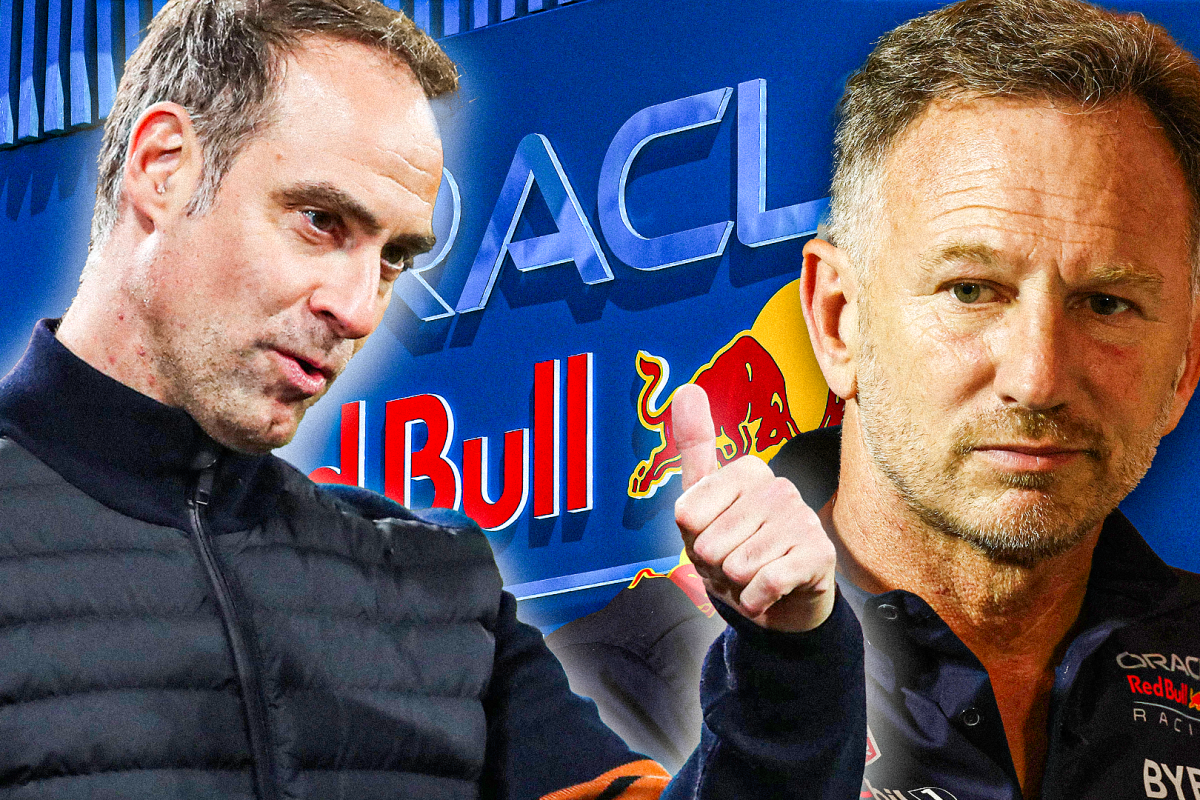
According to Sky Sports presenter Simon Lazenby, there was a growing fear inside the organization of what he described as a “Christian Horner Racing” identity. The concern, he suggested, was that the team’s brand was becoming too closely tied to Horner personally, rather than the broader Red Bull corporate structure.
Lazenby pointed to the influence of Oliver Mintzlaff, CEO of Red Bull GmbH, as a key factor in this shift. Under Mintzlaff, the company appears to be moving toward a more corporate and unified branding strategy across its sporting ventures, including its expanding football portfolio. In that context, the idea of a team perceived as revolving around a single personality may have clashed with the company’s long-term vision.
Mintzlaff himself addressed the decision in a rare interview months after Horner’s departure, emphasizing that it was not made lightly. While praising Horner’s achievements and legacy, he stressed that even the most successful organizations must evolve. According to Mintzlaff, Red Bull felt it was necessary to “turn the page” and begin a new chapter, rather than relying solely on past success.
However, the transition has not been smooth. Early performances in the 2026 season suggest that Red Bull are struggling to maintain their previous dominance. The team has found itself unexpectedly close to its sister outfit, RB Formula One Team, and trailing competitors such as Alpine and Haas. For a team accustomed to fighting at the front, this dip in form has been described by insiders as deeply concerning.
As speculation continues over Horner’s next move, the possibility of him returning to the grid in a new capacity—potentially even leading his own team—remains a compelling narrative. For Red Bull, the challenge now lies in proving that their future success will be defined by the strength of the organization as a whole, rather than the influence of one man.