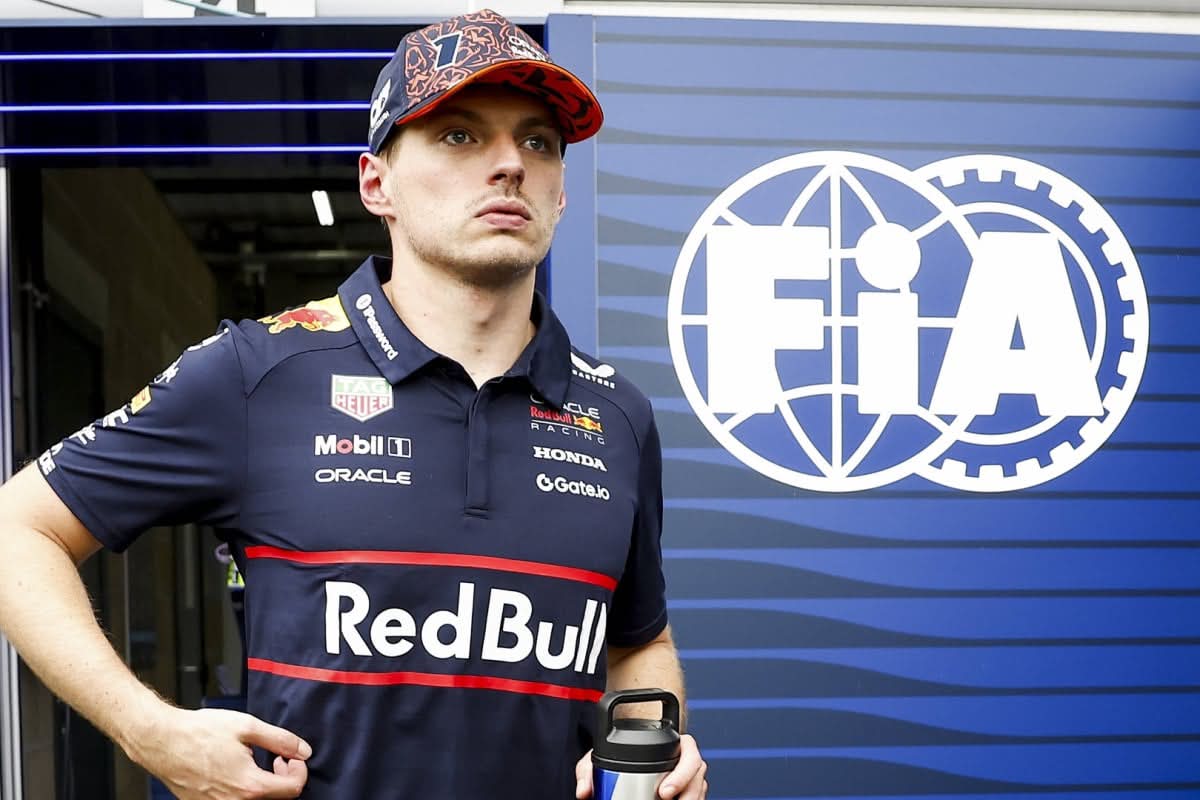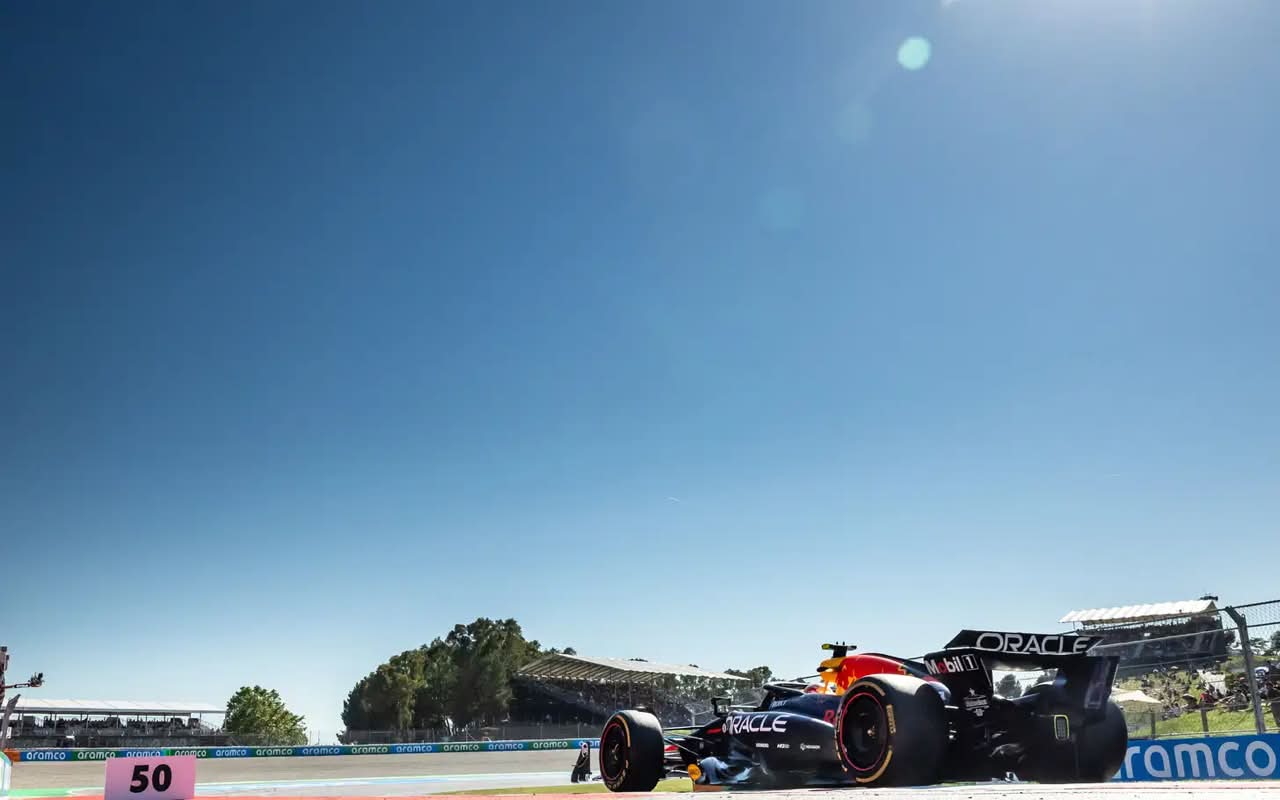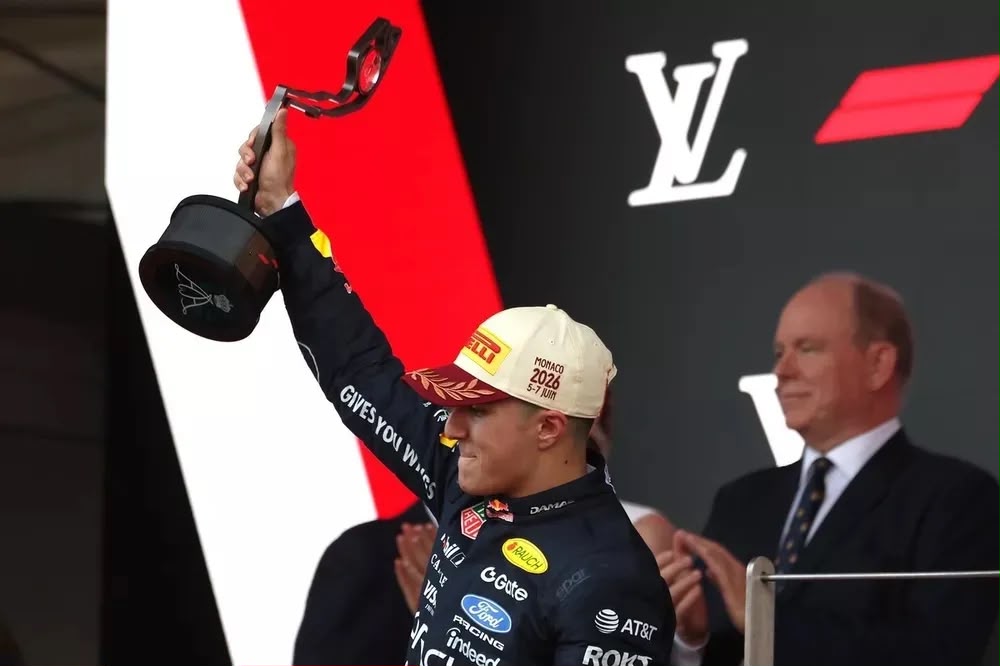

In what turned out to be one of the most dramatic and controversial moments of the 2026 Formula 1 season, a leading driver saw a hard-earned podium finish at the Monaco Grand Prix slip away after a late intervention by the Fédération Internationale de l’Automobile (FIA). The incident, which unfolded after the chequered flag had already fallen, completely reshaped the final classification and sparked intense debate across the paddock, among fans, and within the team affected.
The driver at the centre of the storm was Alpine’s Pierre Gasly, who had delivered what many initially believed was a flawless and career-defining performance on the streets of Monte Carlo. Having battled through a chaotic race filled with incidents, safety car periods, and a red flag interruption, Gasly crossed the finish line in third place. For a team like Alpine, which has struggled for consistency in recent seasons, the result represented a significant breakthrough. It was set to be one of their standout moments of the campaign and a well-deserved reward for both driver and team.
However, that celebration proved to be short-lived. In the aftermath of the race, FIA stewards confirmed that Gasly had been penalized for breaching pit lane speed regulations—not once, but twice during the race. Each infringement resulted in a five-second time penalty, combining to a total of ten seconds added to his final race time.
These infractions may have seemed minor on paper, as reports indicated that Gasly exceeded the pit lane speed limit by extremely small margins—sometimes as little as 0.1 km/h. Nevertheless, Formula 1 operates under strict regulatory frameworks where even the smallest violation can carry significant consequences. The FIA enforces pit lane speed limits primarily for safety reasons, and as such, there is little room for discretion once a breach has been detected.
As a result of the accumulated penalties, Gasly’s finishing time was adjusted, causing him to tumble down the order from third place to seventh. The reshuffle dramatically altered the final standings, promoting other drivers up the leaderboard and handing the final podium position to Red Bull’s Isack Hadjar, who had originally finished just behind Gasly on the road.
The emotional impact of this decision on Gasly was immediate and profound. Having believed he had secured a podium finish at one of Formula 1’s most prestigious races, the Frenchman celebrated accordingly after crossing the line. It was only later—after the penalties were formally applied—that he learned of his demotion. Reports described him as “heartbroken,” with the result denying him what would have been a significant milestone in his career.
To make matters worse, controversy also surrounded the communication between Gasly and his team. It emerged that he may not have been fully informed about the penalties during the race, leading to confusion and an emotional rollercoaster once the final results were confirmed. This aspect of the situation drew criticism from fans and analysts alike, with many questioning whether better communication could have helped mitigate the shock of the outcome.
Gasly’s case was not an isolated one during the Monaco weekend. The race itself was marked by an unusually high number of penalties, particularly for pit lane speeding. Several other drivers—including Lewis Hamilton, George Russell, and Oscar Piastri—were also caught exceeding the speed limit by similarly tiny margins. This raised questions about whether there might have been a systemic issue, such as inconsistencies in measurement or challenges with the pit lane entry line.
Despite these concerns, the FIA maintained that the rules had been applied correctly and consistently across all competitors. According to official explanations, the measurement of pit lane speed begins the moment a car crosses a specific timing line, and even slight deviations in approach or positioning can result in marginally higher recorded speeds. In such a tightly regulated environment, drivers are expected to account for these nuances, even under the immense pressure of racing conditions.
In response to the penalty, Alpine took swift action by filing a formal “Right of Review” request with the FIA. This process allows teams to challenge decisions if they can present new and relevant evidence that was not available at the time of the original ruling. The team argued that Gasly had adhered to the rules and that there may have been mitigating factors affecting the readings or interpretation of the data.
The outcome of this review remains a crucial point of interest, as a successful appeal could potentially reinstate Gasly’s podium finish. However, such reversals are relatively rare in Formula 1, and the burden of proof lies heavily on the team to demonstrate that a clear error or oversight occurred.
Beyond the specifics of Gasly’s case, the incident highlights broader issues within modern Formula 1. The increasing reliance on precise electronic measurements and strict enforcement of technical regulations means that races can be decided not only by on-track performance but also by fractions of a second in compliance metrics. While this ensures fairness and consistency, it can also lead to outcomes that feel harsh or disproportionate, especially when the margins involved are so small.
The Monaco Grand Prix, already known for its unforgiving nature and limited overtaking opportunities, amplified these effects. With track position being crucial, any time penalty—no matter how minor—can have a dramatic impact on the final standings. In Gasly’s case, ten seconds was enough to erase what had been an exceptional drive and push him out of the podium positions entirely.
Ultimately, the dramatic drop from third to seventh serves as a stark reminder of Formula 1’s uncompromising rulebook. For drivers and teams alike, perfection is not just about speed and skill but also about absolute precision in every aspect of execution. Even the slightest miscalculation can carry significant consequences.
As the season progresses, the fallout from this incident is likely to linger. It has reignited discussions about the balance between strict rule enforcement and sporting fairness, as well as the role of technology in adjudicating races. For Pierre Gasly, meanwhile, the focus will be on moving forward—using the disappointment as motivation to chase future opportunities and, perhaps, reclaim the podium finish that slipped through his fingers in Monaco.