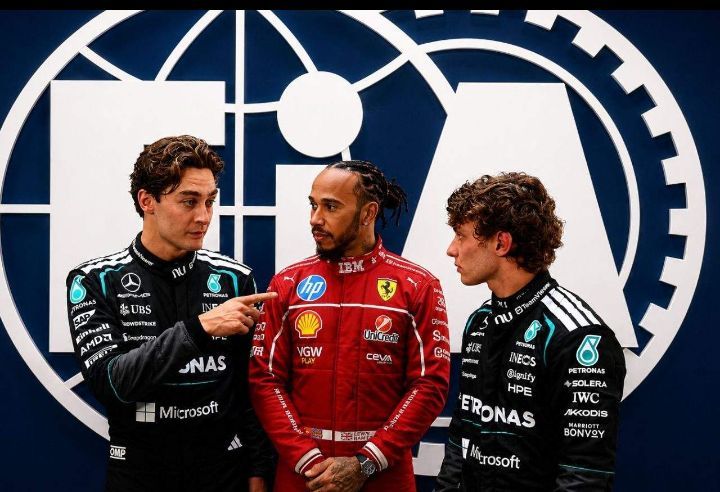
The FIA has officially confirmed that it is reviewing the increasingly controversial issue of multi-team ownership in Formula 1, with FIA president Mohammed Ben Sulayem acknowledging growing concerns over the competitive fairness of teams operating under shared ownership structures.
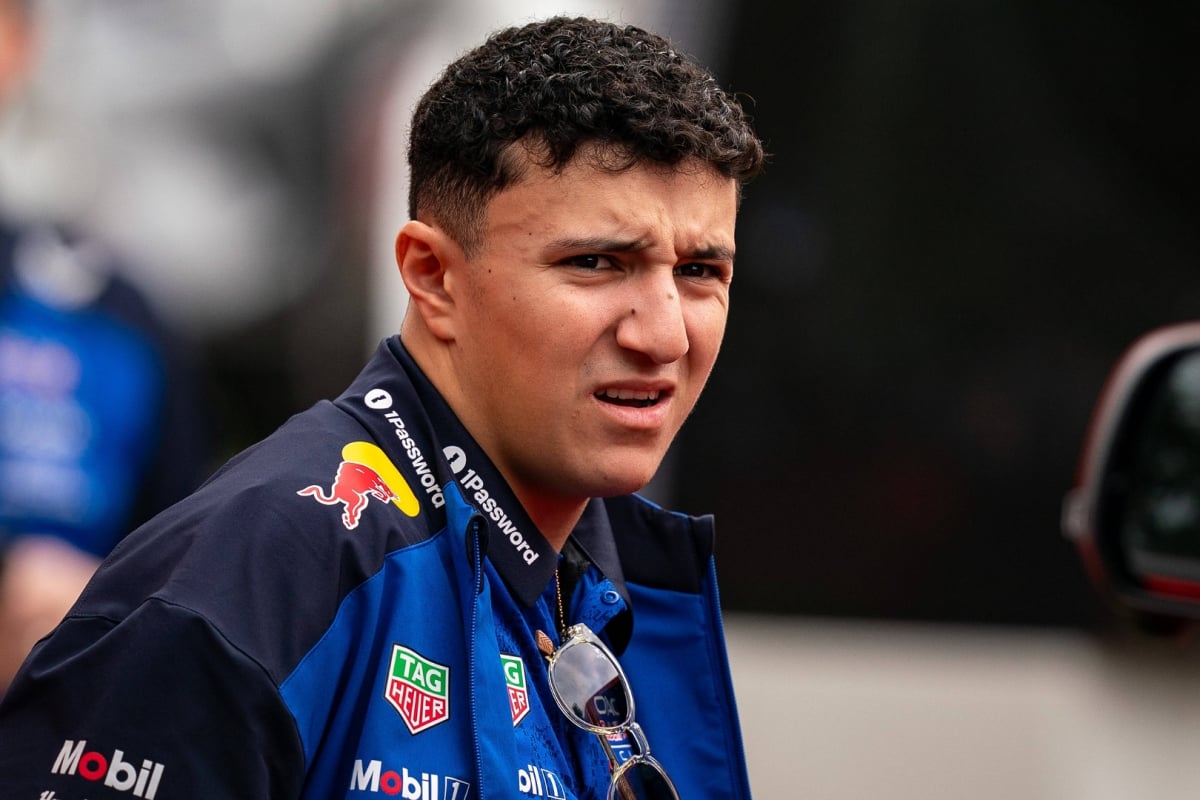
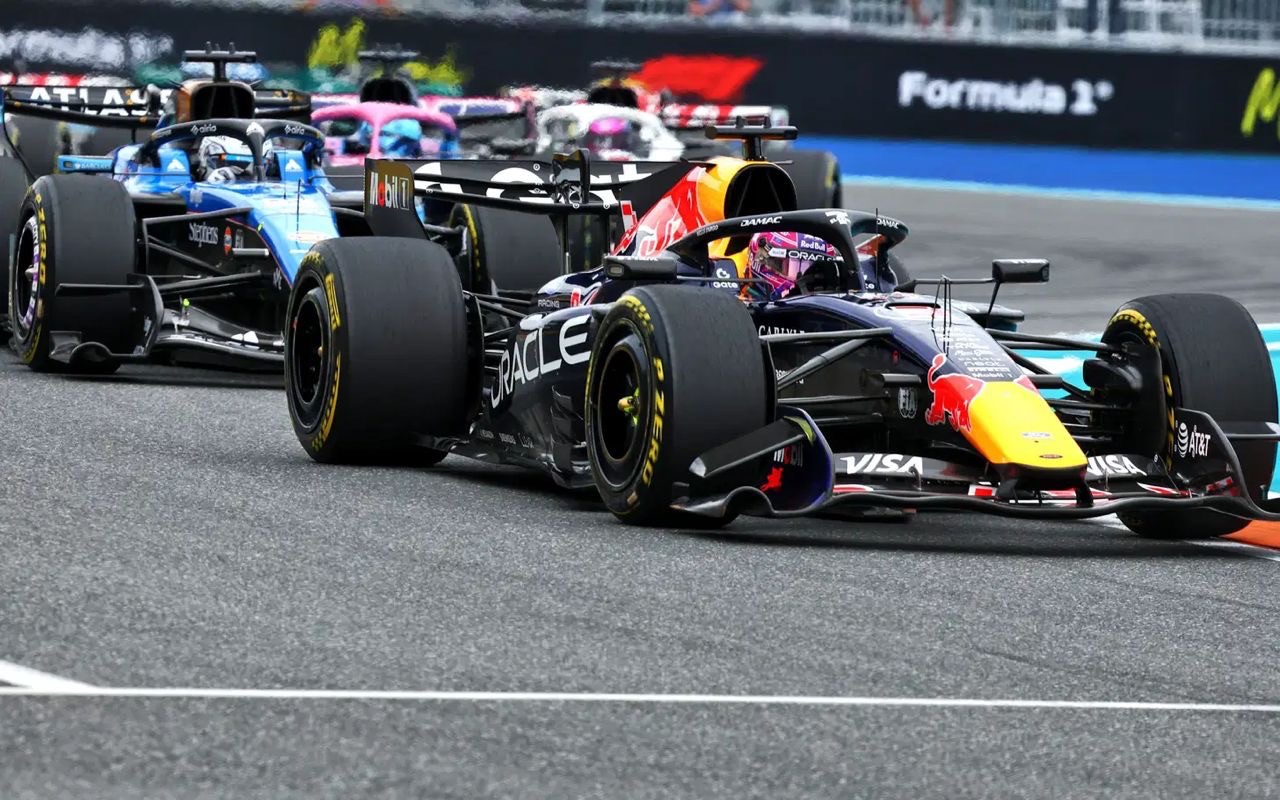
The debate has once again intensified due to the long-standing relationship between Red Bull and its sister outfit Racing Bulls. For more than two decades, Red Bull has controlled two teams on the Formula 1 grid, but critics across the paddock have repeatedly questioned whether both organisations truly operate independently from one another.
Those concerns became even louder last season after the departure of former Red Bull team principal Christian Horner. Shortly after Horner’s exit, Racing Bulls boss Laurent Mekies was swiftly promoted to replace him at Red Bull Racing, further fueling speculation about the close operational links between the two teams.
Now, the spotlight has shifted toward another potentially sensitive ownership situation involving Mercedes-Benz and Alpine. Mercedes has reportedly shown interest in acquiring a 24 percent stake in Alpine currently held by a consortium of investors led by Otro Capital.
That investor group attracted major headlines when it purchased the stake in 2023 for approximately €200 million. The consortium includes several globally recognised sporting and entertainment figures, including Ryan Reynolds, Rob McElhenney, Patrick Mahomes and Rory McIlroy. Reports now suggest that the value of those shares has risen dramatically and could be worth close to €800 million just three years later.
The possibility of Mercedes obtaining influence within another Formula 1 team has sparked fresh debate throughout the sport, especially as Horner himself is also believed to be interested in the available stake. Such developments have intensified questions over whether multi-team ownership models threaten the integrity and fairness of Formula 1 competition.
One of the strongest critics of the system has been Zak Brown, who has consistently argued that shared ownership structures create conflicts of interest and undermine sporting transparency. The McLaren chief recently reiterated his stance, insisting that co-ownership models are effectively banned across most major sports because they pose a serious risk to competitive integrity.
Brown stressed that allowing organisations or individuals to hold influence across multiple teams could compromise fair competition, particularly in areas such as driver movement, technical partnerships, and staffing decisions. His comments have added further pressure on the FIA to define clearer boundaries regarding ownership structures within Formula 1.
With the FIA now formally examining the issue, the investigation could have major implications for the future governance of the sport. Any regulatory changes introduced by the governing body may significantly impact how teams operate, invest, and collaborate moving forward, especially as Formula 1 continues to grow commercially and attract powerful investors from around the world.