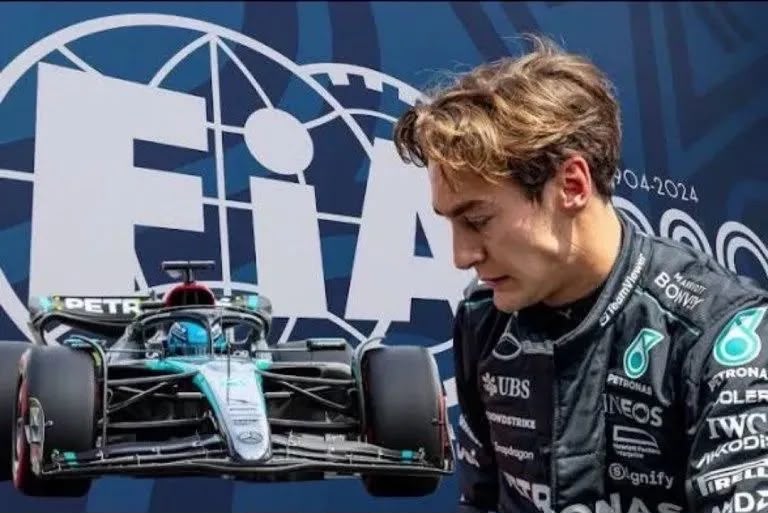

George Russell has taken decisive steps to challenge the penalty that severely compromised his performance at the 2026 Monaco Grand Prix, a race that has quickly become one of the most controversial events of the Formula 1 season. The British Mercedes driver, who entered the weekend hoping to strengthen his position in the championship standings, instead endured a frustrating sequence of events that not only cost him valuable points but also sparked debate over the fairness and consistency of FIA rulings.
The drama began during what initially appeared to be a promising race for Russell. Despite starting from sixth position on the grid, he showed competitive pace and looked capable of fighting for a top-four finish, if not a podium. However, his race took a dramatic turn when he was penalized for exceeding the pit lane speed limit during his first pit stop. According to race officials, Russell marginally breached the limit—by an extremely small margin reportedly around 0.1 km/h—yet the infraction was enough to trigger an automatic five-second time penalty.
While such penalties are not uncommon in Formula 1, the situation escalated further due to complications during Russell’s subsequent pit stop. Mercedes failed to properly serve the initial five-second penalty, leading race stewards to impose an additional and far more severe punishment—a drive-through penalty. This effectively destroyed Russell’s race, as he was forced to pass through the pit lane at racing speed without stopping, losing significant track position in the process.
The timing of this second penalty made matters even worse. It had to be served late in the race, shortly after a red flag interruption that had already shuffled the order and intensified the strategic complexity of the event. As a result, Russell dropped dramatically down the standings and ultimately finished outside the points, a crushing outcome given the potential he had shown earlier in the race.
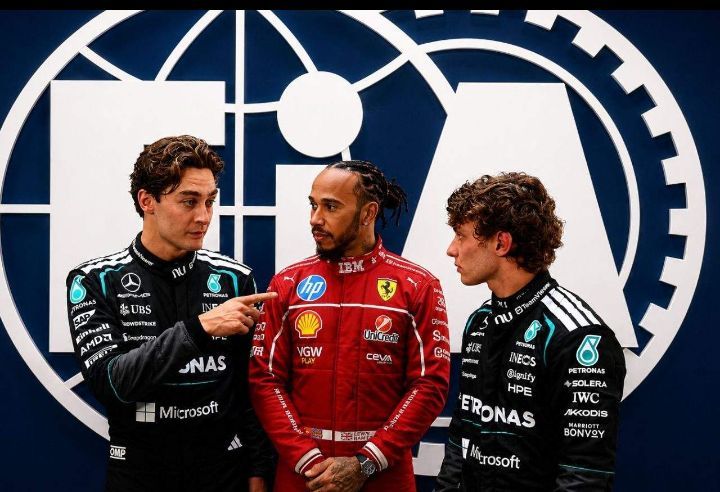
In the aftermath, Russell did not hide his frustration. He openly questioned the legitimacy of the initial penalty, suggesting that a technical or software-related issue might have contributed to the alleged pit lane speeding violation. According to him, he had engaged the pit limiter correctly before crossing the line and only disengaged it after exiting, implying that the system may have inaccurately recorded his speed. This claim was not isolated, as several other drivers—including Lewis Hamiltonff and Pierre Gasly—were also penalized for similar marginal infractions during the race.
The widespread nature of these penalties has fueled speculation that there may have been a systemic issue affecting multiple cars, rather than individual driver errors. Russell himself pointed out that the consistency of these infractions across different teams suggested a deeper problem, possibly linked to the standardized electronic systems used to monitor pit lane speeds.
Adding another layer of controversy is the argument that the severity of the punishment did not match the nature of the offense. Russell and his team believe that exceeding the speed limit by such a tiny margin—barely perceptible and potentially caused by technical discrepancies—should not have resulted in a penalty that effectively ruined his race. The subsequent drive-through penalty, imposed due to procedural confusion during the pit stop, has been described by Russell as excessively harsh and disproportionate.
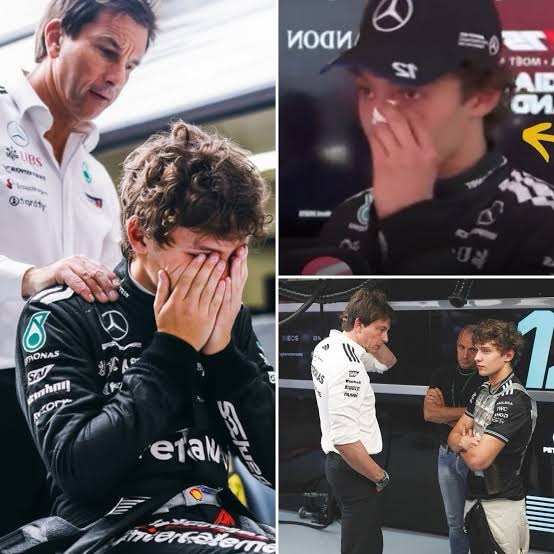
Mercedes team principal Toto Wolff also acknowledged that internal miscommunication contributed to the situation. He admitted that confusion within the team during the pit stop led to the failure to correctly serve the initial penalty, which in turn triggered the more damaging drive-through sanction. This admission highlights that the incident was not solely a matter of driver error but also involved operational shortcomings within the team.
The consequences of the Monaco setback extend far beyond a single race result. Russell’s failure to score points, combined with a retirement in the previous race, has significantly dented his championship aspirations. Once considered a strong contender, he now finds himself trailing far behind the championship leader, his teammate Kimi Antonelli, who capitalized on the chaotic race to secure victory and extend his lead.
In response to the situation, Russell has initiated an appeal against the FIA’s decision, seeking a review of the penalties that cost him dearly. Under Formula 1 regulations, teams can request a “Right of Review” if they believe new evidence or significant factors were not adequately considered during the initial ruling. This process has been used in the past to overturn or modify penalties, and Russell’s camp is hopeful that a similar outcome could be achieved in this case.
The appeal is likely to focus on several key arguments: the possibility of a technical anomaly affecting pit lane speed readings, the consistency of penalties across multiple drivers, and the proportionality of the punishment relative to the offense. If successful, it could potentially restore some of the points Russell lost or at least set a precedent for how similar incidents are handled in the future.
Beyond the immediate implications for Russell, the controversy has reignited broader discussions about the FIA’s regulatory framework. Drivers and teams have long called for greater transparency and consistency in the application of penalties, particularly in cases involving marginal infractions. The Monaco Grand Prix, with its unique challenges and tight margins, has once again exposed the fine line between strict rule enforcement and sporting fairness.
For Russell, the outcome of the appeal could prove pivotal. A favorable decision might not fully undo the damage done to his championship campaign, but it could offer some measure of justice and restore confidence in the regulatory process. On the other hand, if the appeal is unsuccessful, it will serve as a harsh reminder of how unforgiving Formula 1 can be, where even the smallest miscalculations—or technical discrepancies—can have massive consequences.
As the season progresses, all eyes will be on how the FIA responds to this challenge and whether any changes will be made to prevent similar controversies in the future. For now, Russell’s Monaco ordeal stands as a defining moment in his 2026 campaign—a race that slipped away not through lack of pace, but through a combination of marginal errors, technical questions, and regulatory decisions that continue to be fiercely debated.