
Hadjar Penalized After Pit Lane Speeding Incident During Opening Practice at the Hungarian Grand Prix
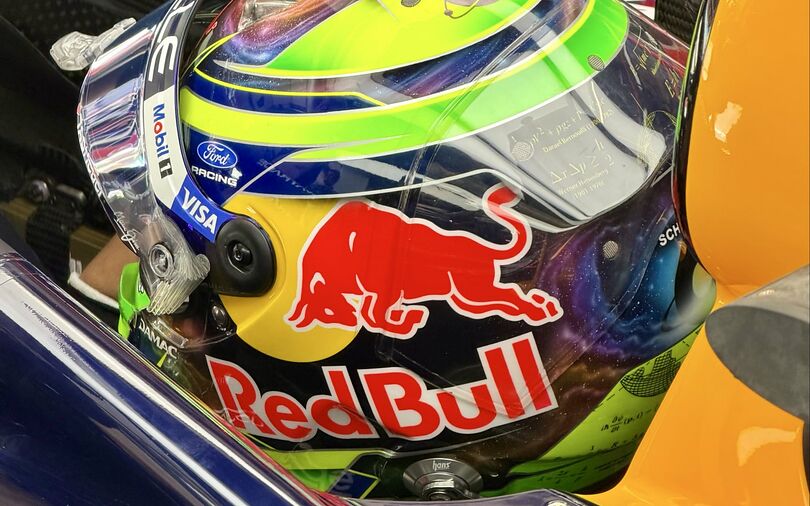
Red Bull junior driver Isack Hadjar has been issued a financial after exceeding the pit lane speed limit during the opening practice session of the Hungarian Grand Prix at the Hungaroring. Although the infringement was relatively minor, Formula One’s strict regulations governing pit lane safety meant that the incident resulted in an immediate sanction from the FIA stewards.
The incident unfolded during Friday’s Free Practice 1 session, the first opportunity for drivers and teams to gather valuable data ahead of the weekend’s competitive action. At approximately 13:27 local time, Hadjar’s car was detected travelling at 83.8 km/h while passing through the pit lane. The maximum permitted speed for the Hungarian Grand Prix weekend had been set at 80 km/h, meaning the French driver exceeded the limit by 3.8 km/h.
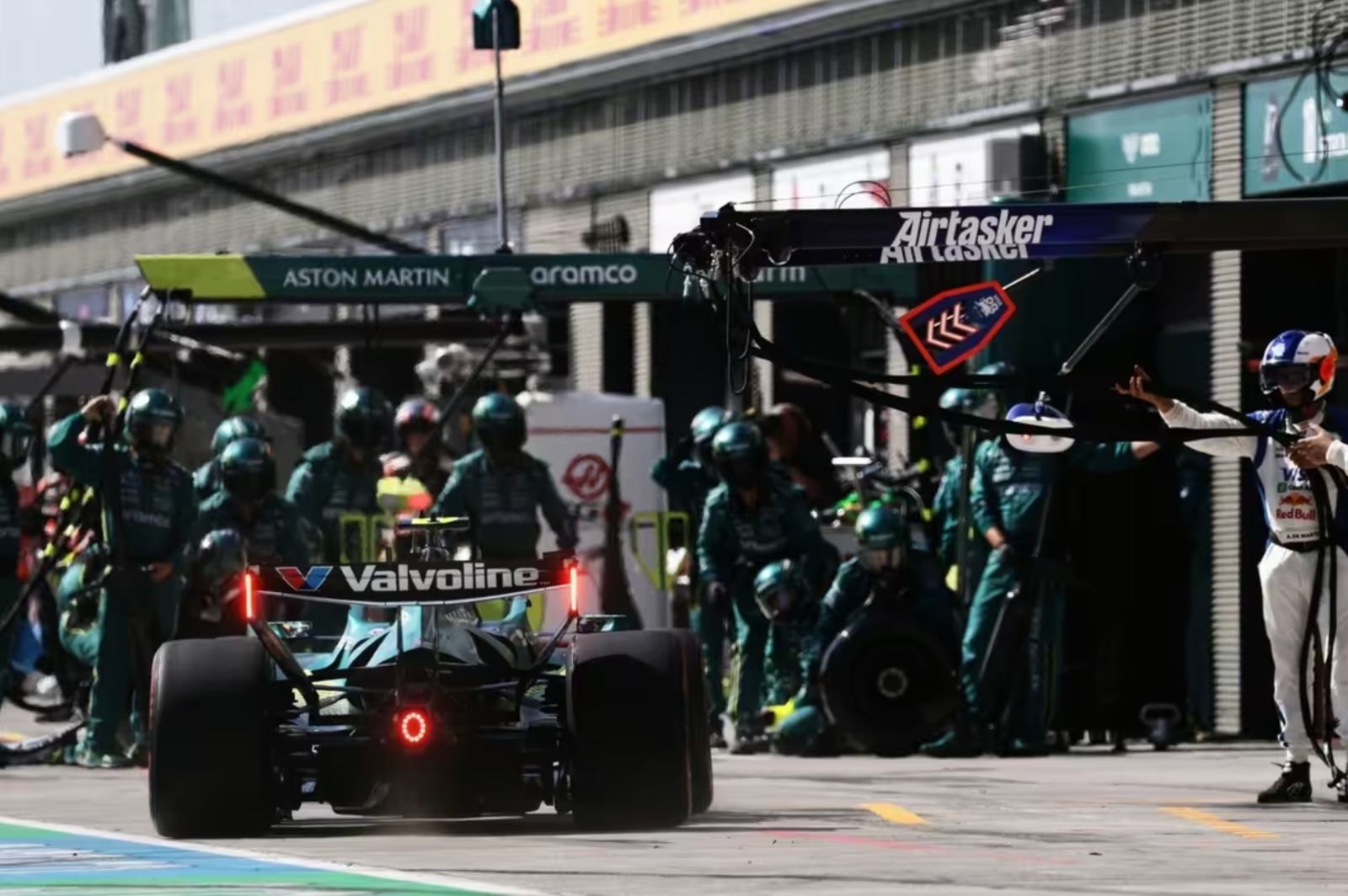
While the difference may appear insignificant, Formula One maintains a zero-tolerance approach to pit lane speeding because of the potential safety risks involved. The pit lane is one of the busiest areas during a race weekend, with mechanics, engineers, FIA officials, media personnel, and other team staff operating in close proximity to moving cars. As a result, drivers are required to adhere strictly to the designated speed limit whenever entering or leaving their garages.
Following a review of the incident, the FIA stewards determined that Red Bull had breached Article B1.6.3a of the FIA Formula One Regulations. In accordance with the sporting regulations, the team was handed a financial penalty of €400 for the violation.
The official decision released by the stewards stated that Car 6 exceeded the pit lane speed limit established for the Hungarian Grand Prix by 3.8 km/h. Because the offence occurred during a practice session, the regulations specify that such infringements are dealt with through predetermined financial penalties rather than sporting sanctions such as grid drops or time penalties.
The FIA’s penalty structure for pit lane speeding is designed to ensure consistency throughout the championship. During practice sessions, fines are calculated according to how much a driver exceeds the speed limit. Since Hadjar’s excess speed was relatively small, the resulting sanction remained limited to a €400 fine.
Although the amount of the fine is modest by Formula One standards, the incident serves as another reminder of the precision required at the pinnacle of motorsport. Drivers operate in highly demanding environments where every action is monitored, from lap times and track limits to pit procedures and technical compliance. Even a slight misjudgment of only a few kilometres per hour can trigger an official investigation and result in disciplinary action.
For teams, pit lane speed management is carefully controlled through electronic systems that help drivers remain within the prescribed limit. However, despite these safeguards, occasional infringements still occur due to calibration differences, timing variations, or driver error. Regardless of the cause, the FIA applies the regulations uniformly to every competitor.
The Hungarian Grand Prix is held at the Hungaroring, a circuit renowned for its tight and technical layout that demands maximum concentration from both drivers and teams. Practice sessions are especially important at the venue because overtaking opportunities during the race are traditionally limited, making qualifying performance particularly crucial. As a result, every lap completed during Friday’s running provides valuable information for race engineers seeking to optimize car setup.
Hadjar’s pit lane speeding offence did not interrupt his participation in the session, nor did it affect his on-track performance. The penalty remained purely financial, allowing the driver and the Red Bull team to continue their planned practice programme without any additional sporting consequences.
Pit lane speed limits have become an integral part of Formula One safety regulations over the years. Introduced to reduce the likelihood of accidents involving personnel working in the pit lane, the rules are enforced through sophisticated timing systems capable of detecting even the smallest violations. Every Formula One team is fully aware of these regulations and understands that exceeding the prescribed limit, no matter how slightly, will almost certainly result in a penalty.
The FIA continues to emphasize that maintaining safety standards is a top priority throughout every Grand Prix weekend. By enforcing pit lane speed limits consistently, the governing body aims to minimize risks in one of the busiest operational areas of the circuit. This strict approach ensures fairness across the grid while reinforcing the importance of discipline and adherence to the regulations.
Although Hadjar’s infringement is unlikely to have any lasting impact on Red Bull’s overall campaign, it highlights the fine margins that define modern Formula One. Teams devote enormous resources to ensuring compliance with every aspect of the rulebook, yet even a momentary lapse can attract official scrutiny.
As preparations for the remainder of the Hungarian Grand Prix weekend continue, Red Bull will now shift its focus entirely toward refining the car’s performance for qualifying and the race itself. The €400 fine represents only a minor setback, but it serves as another example of Formula One’s unwavering commitment to safety and regulatory enforcement.
With every session carrying significance in one of the world’s most competitive racing championships, drivers must combine outright speed with meticulous precision in every aspect of their performance. Hadjar’s brief excursion above the pit lane speed limit may have lasted only moments, but it was enough to activate the FIA’s established penalty framework and reinforce the message that even the smallest infractions are taken seriously at the highest level of motorsport.