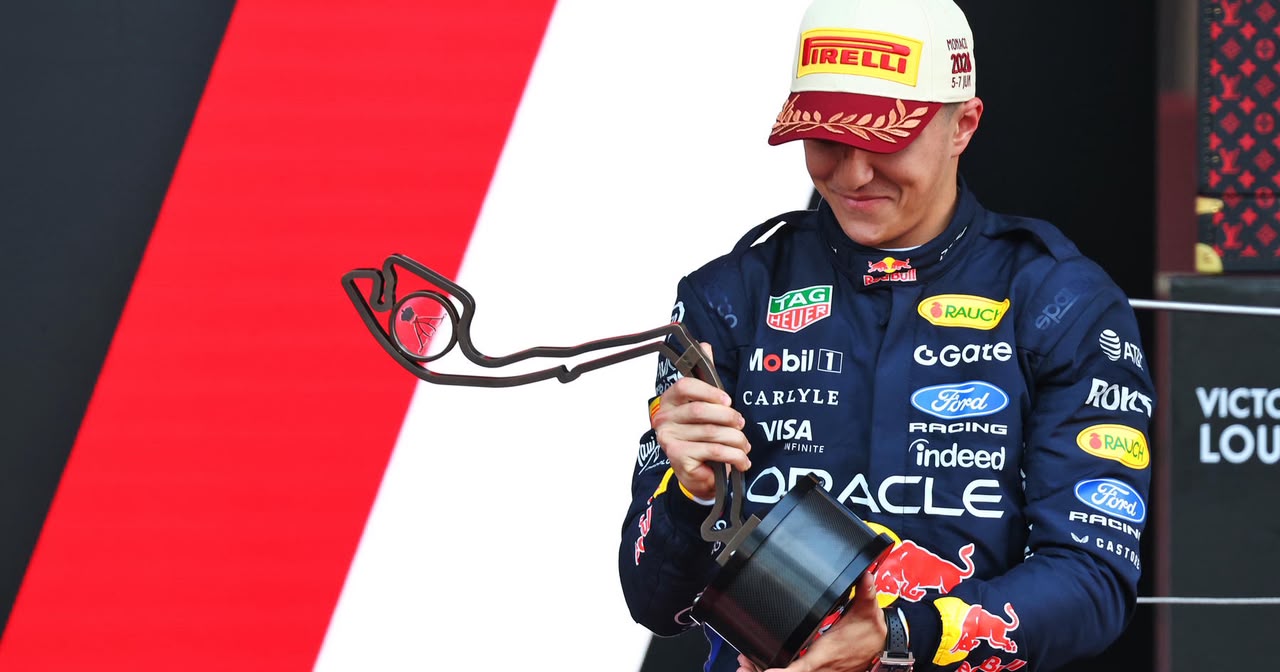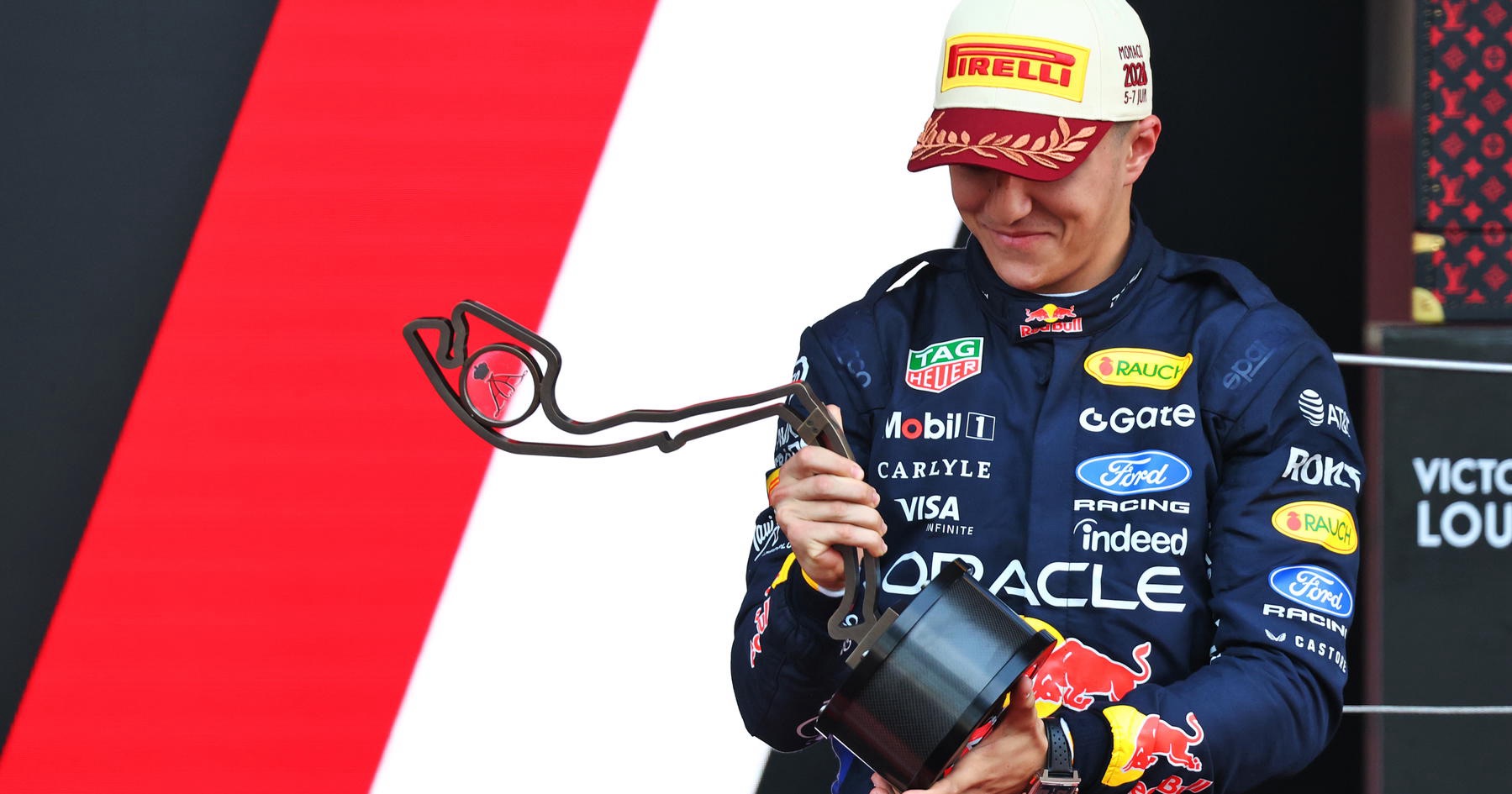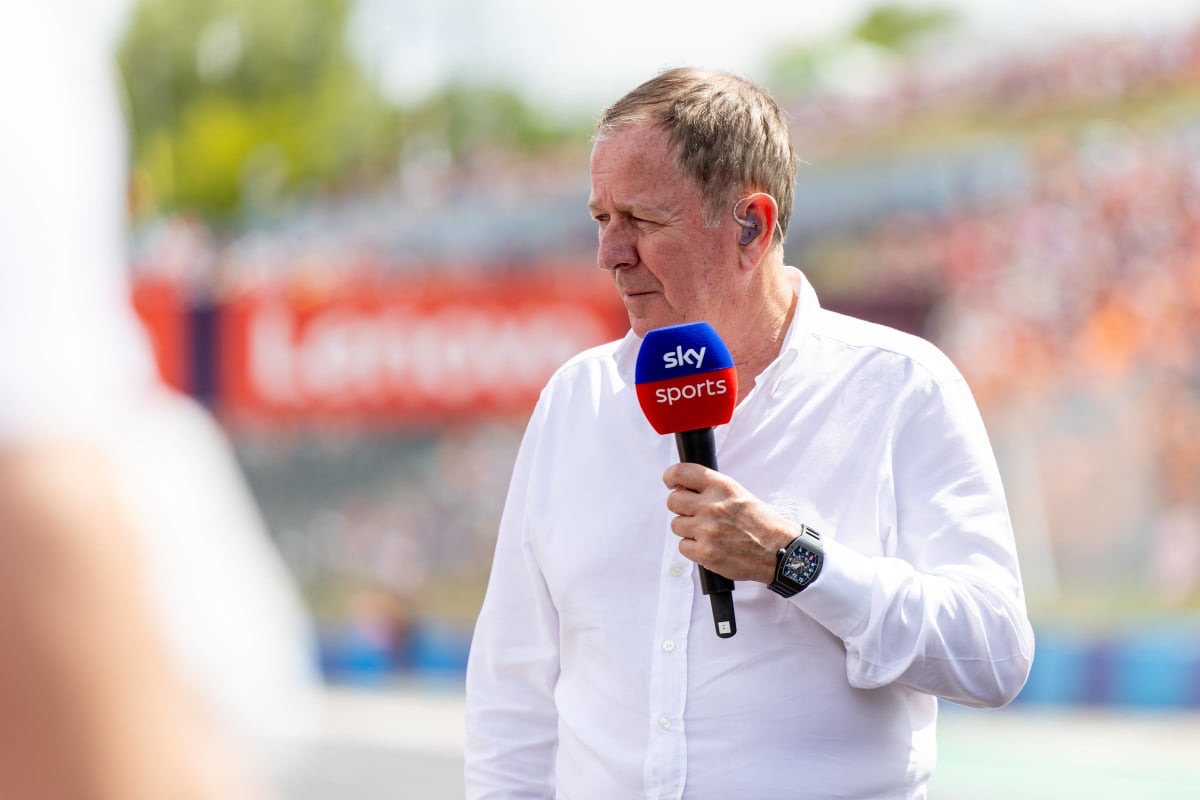
Formula 1 commentator Martin Brundle has defended the FIA’s strict enforcement of regulations at the Monaco Grand Prix after race stewards were forced to investigate an extraordinary number of incidents throughout a chaotic weekend.
The Monaco race generated a huge workload for officials, with numerous drivers finding themselves under investigation for a variety of infringements. Pit-lane speeding offences dominated much of the discussion, while stewards also had to review track limits violations, safety car incidents, penalties that were not correctly served, and several other on-track disputes before the final race classification could be confirmed.
As the race unfolded, Brundle and the Sky Sports commentary team were tasked with keeping viewers updated on a constant stream of investigations and penalty announcements. The situation became increasingly complicated as more drivers were reported for pit-lane speeding, creating uncertainty over the final order for several hours after the chequered flag.
A major talking point was the unusually high number of speeding penalties handed out during the race. Drivers were found to have exceeded Monaco’s strict 60 km/h pit-lane speed limit by extremely small margins. In several cases, the recorded excess was less than half a kilometre per hour, yet penalties were still issued. Pierre Gasly was among the hardest-hit drivers, receiving multiple sanctions for separate speeding offences.
The issue stemmed from the way pit-lane speed is measured. Officials monitor the time taken for cars to travel between electronic timing loops embedded in the track surface. Teams had reportedly been warned before the race weekend that drivers were attempting to gain tiny advantages by entering the pit lane slightly earlier than normal, effectively shortening the measured distance.
Writing in his post-race analysis for Sky Sports, Brundle acknowledged that the penalties appeared harsh on the surface. However, he argued that Formula 1 has no choice but to apply regulations consistently, regardless of how small the infringement may seem.
Brundle explained that Monaco presents unique challenges because the pit lane is significantly narrower than those at most circuits. For safety reasons, the speed limit is reduced from the standard 80 km/h used at many venues to just 60 km/h. As a result, even the smallest miscalculation can result in a driver exceeding the limit.
While some fans questioned whether penalties should be issued for drivers recorded at 60.1 km/h, Brundle insisted that a line must be drawn somewhere. He argued that allowing one small violation would inevitably lead to questions about where the limit should be set, making consistent enforcement impossible.
The former F1 driver compared the situation to technical regulations, where a car found to be even slightly under the minimum weight limit would still face punishment. According to Brundle, Formula 1’s rules may sometimes appear unforgiving, but that strict approach is necessary to preserve fairness and safety across the sport.
By the end of the Monaco Grand Prix weekend, stewards had reportedly reviewed around 30 separate cases, highlighting the immense challenge officials faced in managing one of the most controversial races of the season.