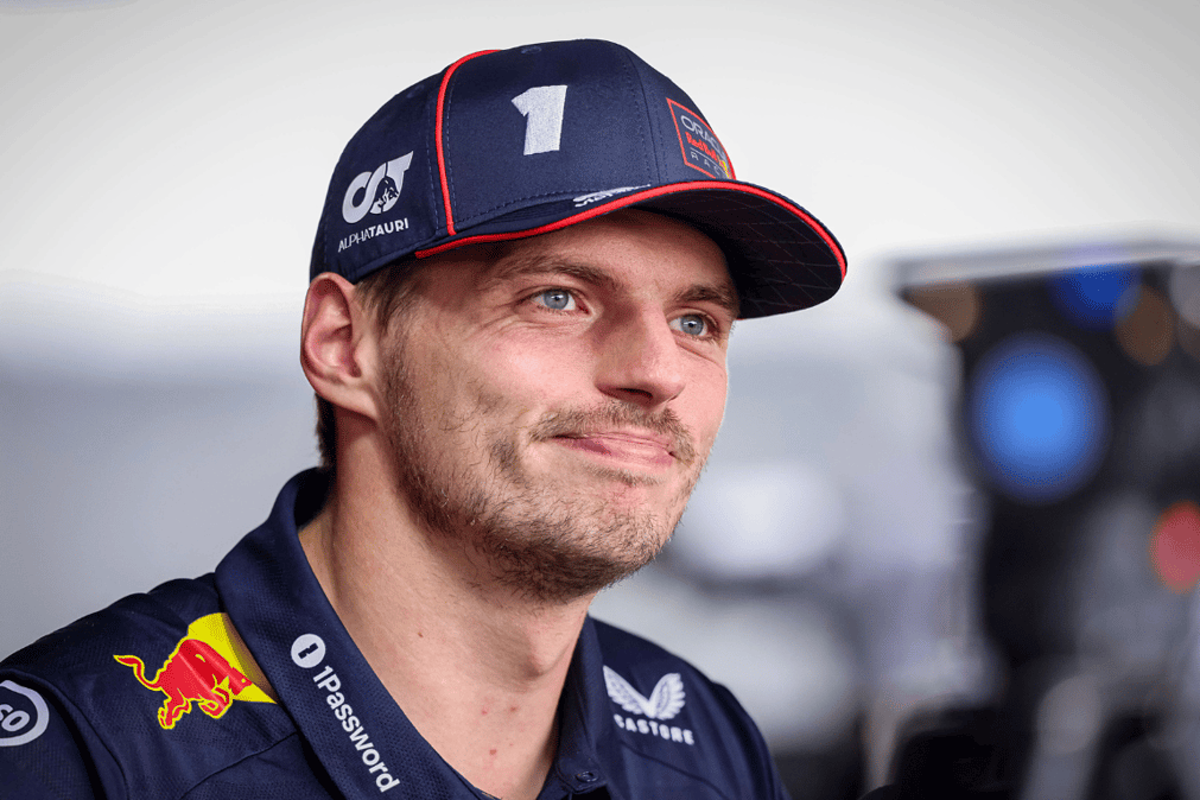
Max Verstappen has once again demonstrated why he is regarded as one of Formula 1’s sharpest competitors—not only behind the wheel but also away from the racetrack. While his driving talent has earned him multiple world championships, recent developments suggest that his ability to influence major decisions within the sport is just as remarkable.
Only a few weeks ago, uncertainty surrounded Verstappen’s future. There were widespread questions about whether he would remain in Formula 1 after repeatedly expressing frustration with the championship’s new technical regulations. At the same time, speculation continued to grow over the possibility of him leaving Red Bull in search of a more competitive team.
Today, those doubts have largely disappeared. The Dutch superstar appears set to continue his Formula 1 career with Red Bull after a sequence of events that worked almost perfectly in his favor. Many observers believe Verstappen handled the situation with exceptional patience and precision, ensuring that both Formula 1 and his own team responded to his concerns.
One of the biggest issues for Verstappen centered around Formula 1’s latest regulations. Throughout the early stages of the season, he was openly critical of the new generation of cars, suggesting they had taken away much of the enjoyment of driving. His comments attracted widespread attention across the paddock and among fans, placing significant pressure on Formula 1 officials.
Rather than remaining silent, Verstappen consistently voiced his opinions whenever the opportunity arose. He questioned whether the sport was moving in the right direction and even hinted that continuing under the current rules might not be worth it if racing no longer provided the excitement he once enjoyed.
His strongest message came during a high-profile interview in which he admitted he had considered whether retirement could become an option if Formula 1 failed to evolve in a direction that suited drivers. By openly discussing life beyond racing, Verstappen significantly increased the pressure on the sport’s governing figures and commercial leaders.
Those remarks quickly became one of the biggest talking points in Formula 1. Fans, analysts and rival teams debated whether the four-time world champion was genuinely considering walking away from the sport while still near the peak of his career.
Soon after those comments, Formula 1 officials began reviewing aspects of the new regulations. Reports emerged that the championship was already looking at ways to soften some of the controversial changes introduced for the new era of racing.
Further discussions between Formula 1 and engine manufacturers eventually resulted in an agreement to gradually alter the balance between internal combustion engines and electric power in future seasons. The revised approach was viewed by many as a compromise that addressed several concerns raised by drivers, including Verstappen.
Following those developments, Verstappen appeared much more satisfied with the direction Formula 1 was taking. His earlier fears over the regulations seemed to have eased, reducing speculation that he might decide to retire earlier than expected.
However, his work was not finished.
The second challenge involved Red Bull itself. Although Verstappen remained under contract, persistent rumors linked him with potential moves to Mercedes and even McLaren. Those stories intensified as Red Bull struggled to consistently match the pace of its main rivals during the early part of the campaign.
Despite the speculation, Verstappen and his management repeatedly insisted that staying at Red Bull remained their preferred outcome. Yet they also carefully avoided giving unconditional guarantees about his future.
That cautious approach proved highly effective.
At the same time, confirmation that Verstappen’s contract contained performance-related exit clauses only increased Red Bull’s urgency. The team knew it had to demonstrate significant progress if it wanted to keep its star driver beyond the current campaign.
Attention soon turned to the Austrian Grand Prix, Red Bull’s home race, where the team introduced a major package of upgrades designed to transform the performance of its car.
The weekend effectively became a decisive moment for both Verstappen and Red Bull.
Although Verstappen suffered disappointment during qualifying after crashing because of what the team later described as a car-related issue, Red Bull immediately accepted responsibility rather than placing blame on the driver. That public support highlighted the strong relationship between both parties despite months of speculation.
More importantly, the upgraded car showed encouraging pace throughout the weekend.
During the race, Red Bull demonstrated enough speed to challenge the leading teams once again, suggesting the extensive development work had produced meaningful results. The improvements allowed Verstappen to fight much closer to the front than had been possible during several previous races.
The performance represented exactly the type of progress Verstappen had been waiting to see.
Instead of needing to negotiate a move elsewhere, Red Bull had given him fresh reasons to believe the team could return to regular championship-winning form.
As a result, the transfer rumors that had dominated headlines for months began losing momentum. Mercedes links faded, while stories involving McLaren also appeared less convincing after Red Bull’s improved competitiveness.
For Verstappen, the outcome could hardly have been better.
He secured greater confidence that Formula 1 was listening to driver concerns regarding future regulations. He also watched his own team respond by delivering meaningful upgrades capable of improving its competitiveness.
Perhaps most importantly, he achieved those objectives without needing to activate any exit clause or formally begin negotiations with another constructor.
The entire process highlighted Verstappen’s influence within modern Formula 1. Few drivers possess the combination of sporting success, commercial value and negotiating strength that allows them to shape discussions across the championship.
His comments regarding regulations attracted immediate attention. His contract situation placed enormous pressure on Red Bull. Meanwhile, every rumor surrounding his future generated headlines throughout the paddock, increasing the urgency for all parties involved.
Rather than making rushed decisions, Verstappen remained patient while allowing events to unfold. He consistently communicated that Red Bull remained his preferred home but also made it clear that improvements would be necessary if the partnership were to continue successfully.
That balanced approach ultimately appears to have delivered exactly what he wanted.
Formula 1 adjusted its long-term direction regarding future technical regulations. Red Bull responded with a more competitive car. Questions over his future have largely subsided, and the Dutchman now looks increasingly likely to continue leading the Milton Keynes outfit into the coming seasons.
Whether by design or simply through carefully timed honesty, Verstappen has emerged from months of uncertainty in an even stronger position than before. He remains the centerpiece of Red Bull’s long-term plans while also maintaining significant influence over discussions affecting the future of Formula 1 itself.
If recent events are any indication, Verstappen’s greatest strengths extend well beyond his extraordinary performances on race day. Off the circuit, he has shown an impressive ability to manage pressure, influence negotiations and protect his own interests—qualities that have once again helped him emerge exactly where he wanted to be.