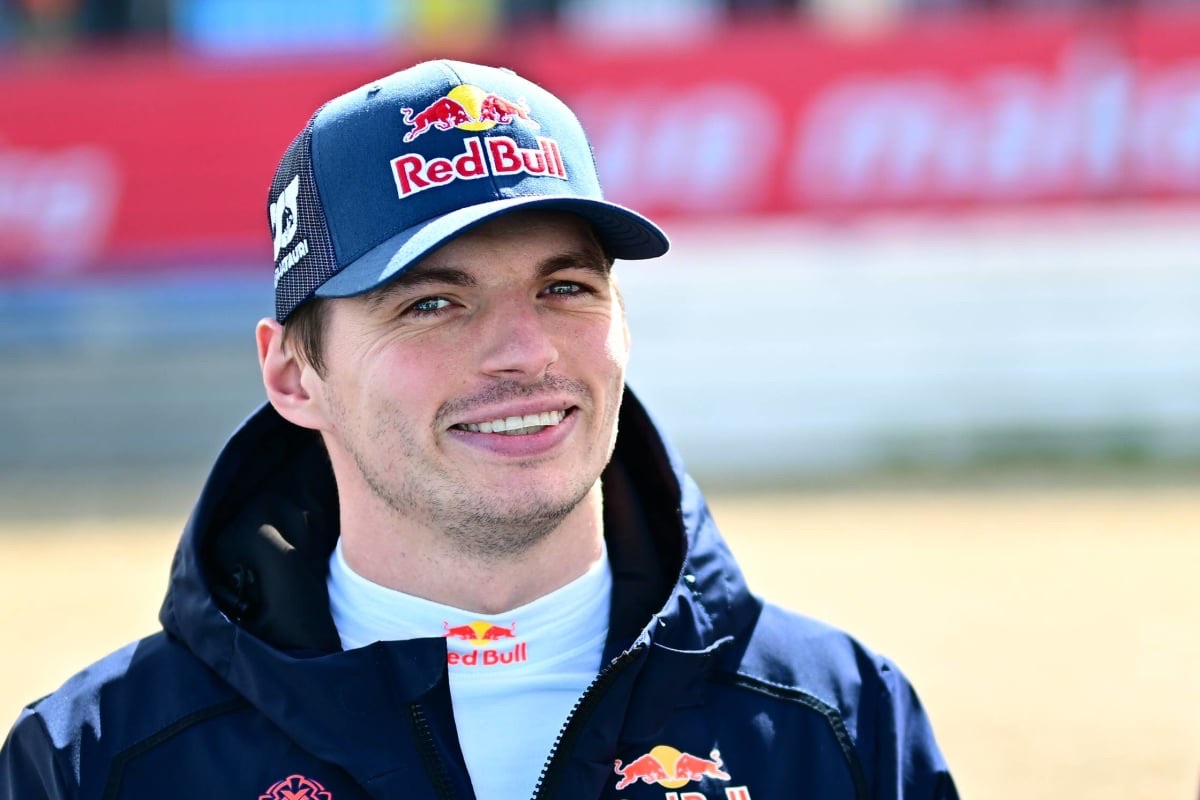
Four-time Formula 1 world champion Max Verstappen has received a timely boost ahead of his highly anticipated debut at the legendary Nürburgring 24 Hours after organisers introduced new Balance of Performance adjustments that could work in his favour.
The Dutch superstar is set to take on one of motorsport’s toughest endurance challenges this weekend, with the iconic race beginning at 2pm BST on Saturday. Verstappen has already completed qualifying duties earlier in the week alongside his Mercedes-AMG Team Verstappen Racing team-mates, gaining valuable experience on the fearsome Nordschleife circuit known worldwide as the “Green Hell.”
Now, just hours before the race gets underway, officials from the ADAC RAVENOL 24h Nürburgring have announced important changes to the Balance of Performance regulations — and several of Verstappen’s main rivals have been hit with penalties.
The Balance of Performance system, commonly referred to as BoP, is designed to ensure fairness in GT3 racing by equalising the performance of vastly different cars on the grid. With manufacturers using completely different engine layouts and aerodynamic concepts, organisers regularly make adjustments to weight, engine power, and air restrictors in an effort to prevent one car from gaining a major advantage.
This year’s Nürburgring grid features a diverse collection of machinery. Porsche runs its famous rear-engined flat-six setup, Audi competes with a mid-engine V10 package, while Aston Martin relies on a front-mounted turbocharged V8. Without BoP, certain cars could dominate depending on track characteristics, potentially forcing manufacturers into expensive development wars that would damage the long-term sustainability of GT3 racing.
Following the completion of qualifying, race officials decided further intervention was necessary. Several leading contenders have now been forced to carry extra ballast ahead of the race start.
Among those affected is the BMW M4 GT3 Evo, which has been handed an additional 10 kilograms of weight. Meanwhile, the Lamborghini Huracan GT3 EVO2 — the same car that secured pole position thanks to Luca Engstler’s impressive lap — has also been slowed down with an extra five kilograms added.
The Porsche 911 GT3 R Evo has similarly received a five-kilogram increase, meaning multiple front-running rivals will begin the race carrying a heavier load than they did during qualifying.
However, the Lamborghini entry has been dealt an even bigger setback beyond the added ballast. Officials have also reduced the size of its engine restrictor by half a millimetre, limiting airflow into the engine and effectively reducing horsepower. Over the course of a gruelling 24-hour event, even a small loss in straight-line speed can significantly affect overtaking opportunities and fuel efficiency.
The Ford Mustang GT3 has also been targeted by the latest BoP revisions. Organisers confirmed the American machine will now run two restrictors, with the second reduced by an entire millimetre in a further attempt to control performance levels.
In contrast, Verstappen’s Mercedes-AMG package has escaped untouched.
No additional weight, power reduction, or restrictor changes have been applied to the AMG entries, a development that could prove extremely valuable over the duration of the race. The same unchanged status also applies to Aston Martin, Audi, Ferrari, McLaren, and the older BMW Z4 GT3 models.
For Verstappen and his team, the news represents a potentially significant advantage heading into one of the most demanding endurance races in the world. Consistency and reliability are often more important than outright pace at the Nürburgring, but avoiding BoP penalties while key rivals are slowed could improve the Mercedes-AMG squad’s chances considerably.
The Nürburgring 24 Hours is renowned for its unpredictable conditions, punishing layout, and relentless intensity. Combining the modern Grand Prix circuit with the historic Nordschleife, the track stretches over 25 kilometres and contains more than 170 corners, making it one of the toughest tests in global motorsport.
Verstappen’s participation has generated huge excitement throughout the racing world, with fans eager to see how the reigning F1 champion adapts to endurance competition. The 28-year-old has long expressed admiration for GT racing and simulator endurance events, but this weekend marks his first serious appearance in the iconic German classic.
Despite being best known for his dominance in Formula 1, Verstappen has shown impressive speed during the build-up to the event and successfully navigated the intense qualifying sessions earlier in the week.
Now, with several rival manufacturers effectively “punished” by the latest BoP changes and Mercedes-AMG left untouched, Verstappen heads into race day with momentum firmly on his side as he chases a dream debut victory at the Nürburgring.