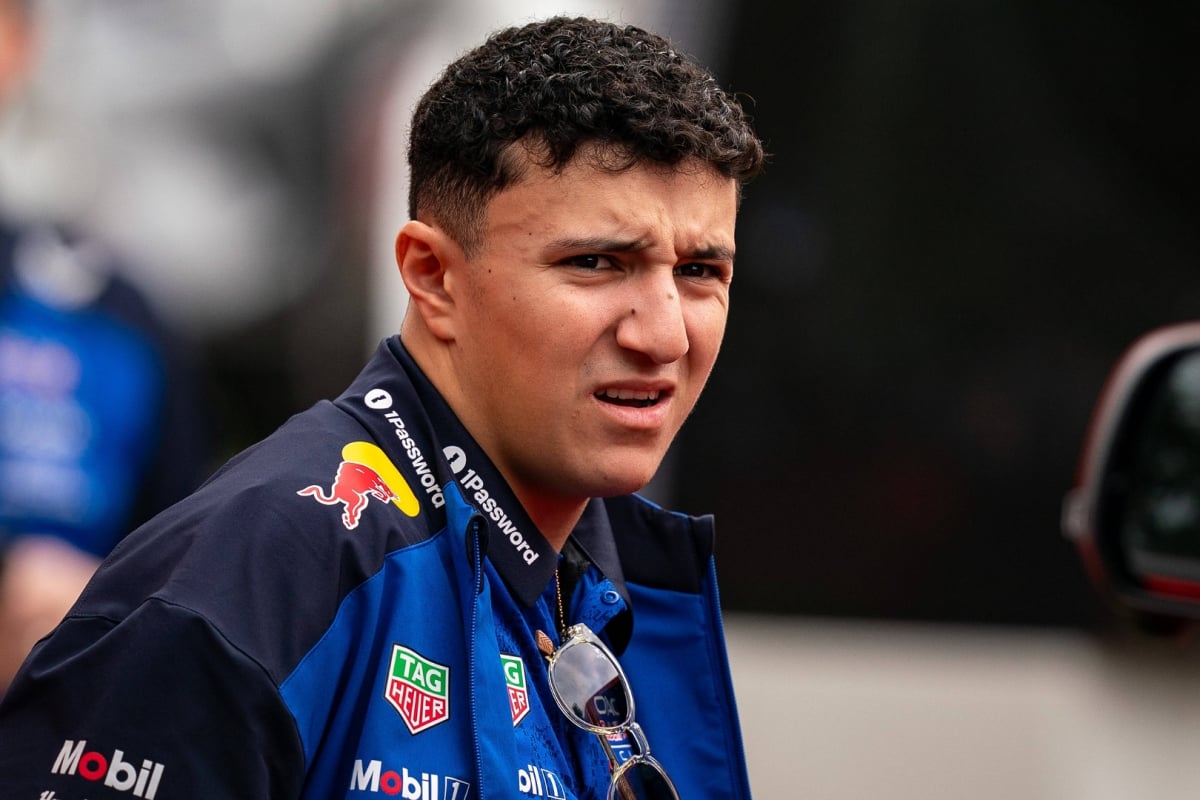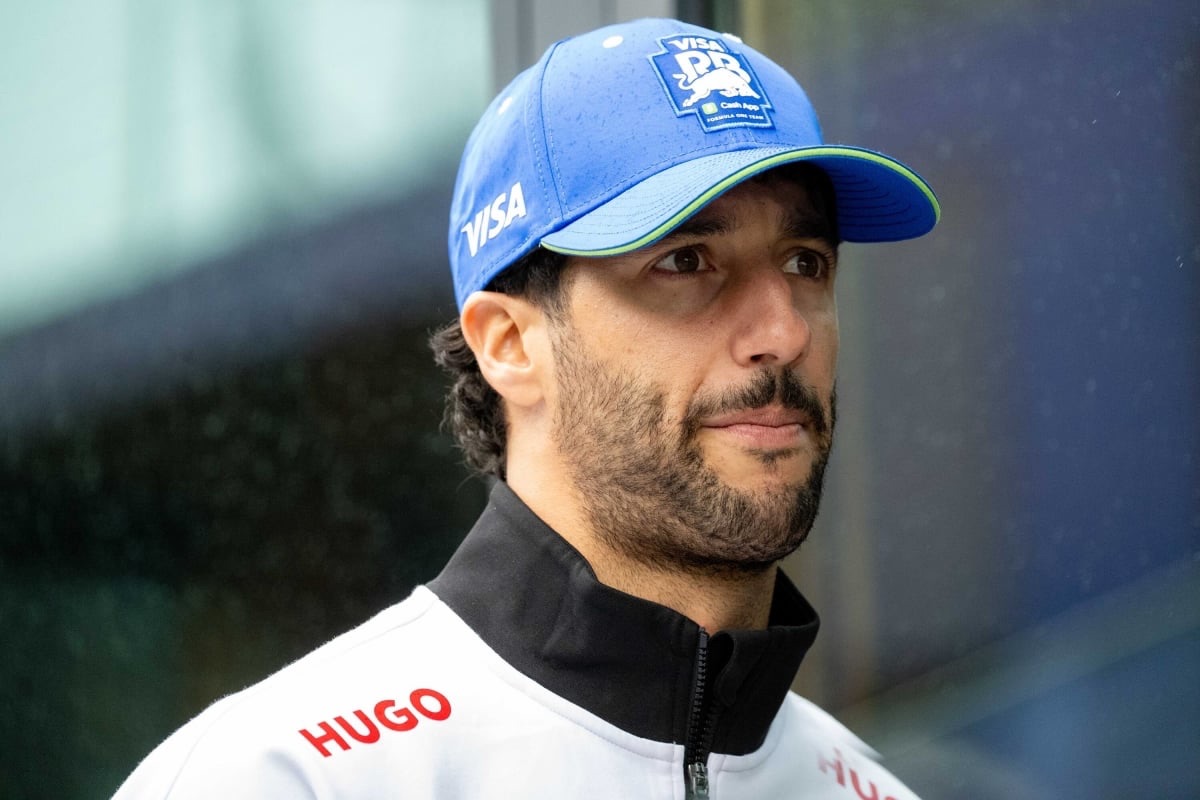
Zak Brown has once again spoken out against the use of sister teams in Formula 1, using Daniel Ricciardo’s final race in the sport as a key example of why he believes the system threatens the integrity of the championship.
The McLaren CEO has become increasingly vocal about the possibility of Mercedes expanding its influence by purchasing Otro Capital’s 24 per cent stake in Alpine F1 Team. Brown fears that such a move could allow Mercedes to effectively create its own “B-team,” similar to the structure long used by Red Bull Racing.
Red Bull have operated with a secondary team since purchasing the former Minardi outfit in 2005 and rebranding it as Toro Rosso in 2006. Over the years, that team has changed names several times, becoming AlphaTauri, Visa Cash App RB, and now Racing Bulls. Despite the rebrands, its core role has remained largely the same — developing young Red Bull drivers and, at times, supporting the senior team’s championship ambitions.
Brown believes this kind of arrangement creates a dangerous imbalance in the sport. He argues that teams with close ownership ties can influence race outcomes in ways that independent teams cannot, raising serious concerns about fairness.
One of the clearest examples, in Brown’s view, came during the 2024 Singapore Grand Prix — the final Formula 1 race of Ricciardo’s career.
Driving for Racing Bulls at the time, Ricciardo set the fastest lap of the race late on, earning the extra championship point that comes with it. While that point did not benefit Ricciardo’s own campaign significantly, it had major consequences in the title fight because it denied Lando Norris and McLaren an additional point while helping Max Verstappen and Red Bull in the championship battle.
Red Bull openly acknowledged the strategic importance of that move, and Verstappen even publicly thanked Ricciardo afterward. For Brown, it was exactly the type of situation he has warned about for years.
Speaking to Sky Sports, Brown made his frustration clear.
“I’ve been saying for 10 years, I don’t like co-ownership. I don’t like A and B teams. I think it runs a high risk of compromising the sporting integrity of the sport,” he said.
He specifically pointed to Ricciardo’s fastest lap in Singapore as evidence of how sister teams can directly affect the outcome of a championship.
“We’ve seen fastest laps from one team. Daniel Ricciardo take a point away from McLaren to help Max Verstappen and Red Bull,” Brown added.
His comments were not aimed personally at Ricciardo, who previously raced for McLaren between 2021 and 2022 under Brown’s leadership, but rather at the wider system that allowed such a scenario to happen.
Brown’s criticism has gained renewed relevance because of growing speculation surrounding Alpine’s ownership structure. Otro Capital currently owns a minority stake in the Enstone-based team, and reports have suggested Mercedes could be interested in acquiring that share. If that were to happen, Brown fears it could create another powerful two-team alliance on the grid.
He believes Formula 1 should protect competitive fairness by ensuring every team operates independently, without hidden strategic alliances that could influence race strategy, driver decisions, or championship outcomes.
For Brown, the issue is bigger than one race or one driver. Ricciardo’s final act in Formula 1 simply served as a powerful reminder of why he remains firmly opposed to the A-team and B-team model — and why he believes the sport must act before more title battles are shaped by behind-the-scenes partnerships rather than pure competition on track.