McLaren have expressed growing confidence that early leaders Mercedes are not as untouchable as they may appear in the opening stages of the 2026 Formula 1 season, with key upgrades already in the pipeline ahead of the Miami Grand Prix.
Despite Mercedes’ strong start under the sport’s new regulations, where they quickly established themselves at the top of both the drivers’ and constructors’ standings, rivals believe the competitive picture could soon shift. A recent ruling by the FIA is expected to play a major role in that potential change. The governing body has moved to outlaw a controversial “compression ratio” engine concept that Mercedes had been using to gain a performance edge.
From June 1, this innovation will no longer be permitted, forcing Mercedes to revise their power unit in time for the prestigious Monaco Grand Prix. Reports suggest the enforced change could cost the team approximately three-tenths of a second per lap — a significant margin in Formula 1 — which may dramatically reduce their current advantage over the chasing pack.
Interestingly, the regulation change will also affect Mercedes’ customer teams, including McLaren, who use the same power unit. However, McLaren’s technical leadership remains optimistic that they can offset any losses through improvements in other areas, particularly chassis performance.
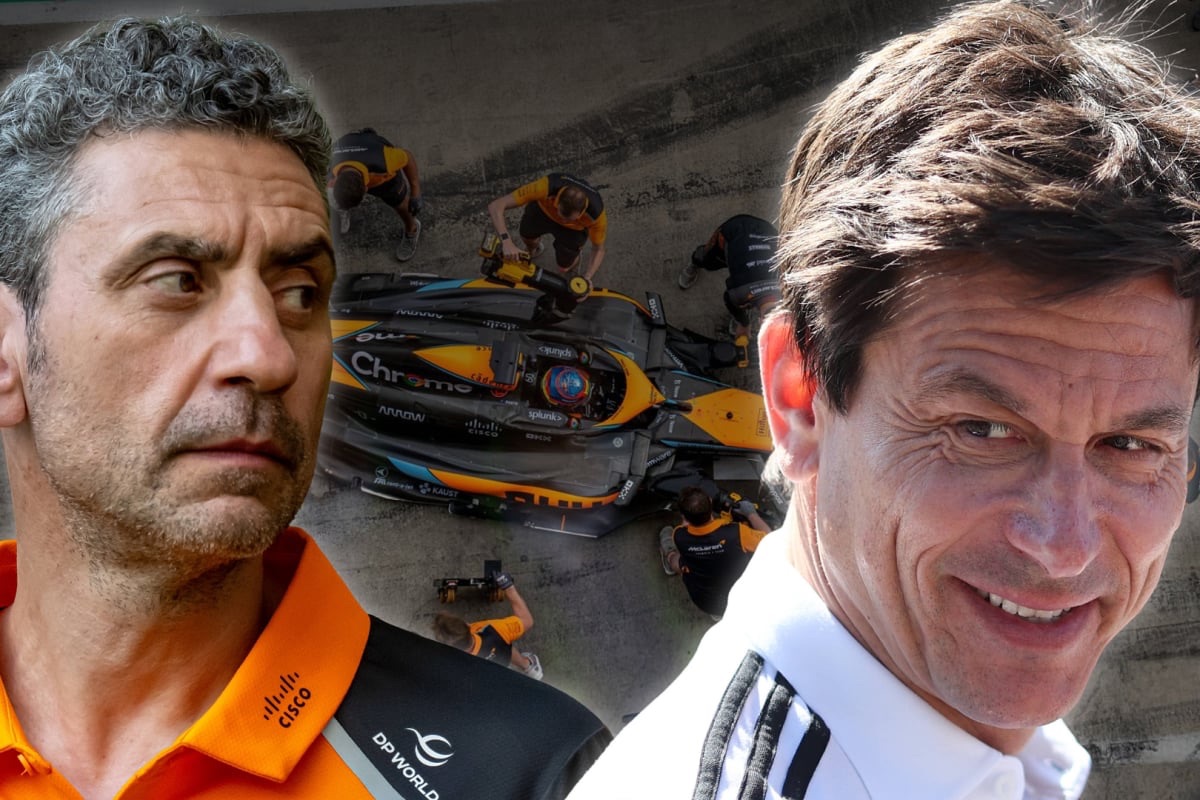
McLaren’s technical director, Mark Temple, highlighted that the team has already made progress in resolving earlier issues with the Mercedes engine, thanks to close collaboration with Mercedes High Performance Powertrains. With those concerns now largely addressed, the Woking-based outfit is shifting its focus toward maximizing car performance through aerodynamic and structural development.
Temple emphasized that Formula 1 teams are still in the early stages of understanding the full potential of their 2026 machinery. This ongoing learning curve, he suggested, could expose vulnerabilities even in the leading cars — including Mercedes.
While he avoided making bold predictions, Temple acknowledged that Mercedes have already shown signs of weakness. Their failure to secure a dominant one-two finish at the Japanese Grand Prix demonstrated that they are not unbeatable. According to him, every team on the grid is working intensively to close the performance gap, and McLaren hopes to be at the forefront of that charge.
Looking ahead, McLaren are not standing still. Temple confirmed that the team is actively developing upgrades to be introduced at the upcoming Miami Grand Prix, which follows an unusual five-week break in the racing calendar. These enhancements are expected to focus heavily on chassis optimization, an area McLaren believes could be key to unlocking additional lap time.
In a season shaped by fresh regulations and evolving technical interpretations, the competitive order remains far from settled. While Mercedes may currently hold the upper hand, McLaren’s belief — backed by targeted development and regulatory changes — suggests that the fight for supremacy in 2026 is only just beginning.