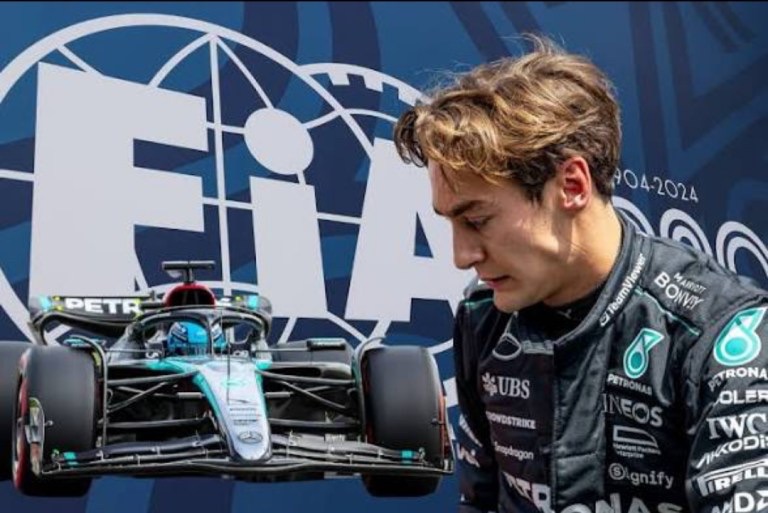
Mercedes have been dealt a significant setback in their efforts to understand the technical failure that forced George Russell out of the Canadian Grand Prix, with the team expected to wait several months before the faulty component can be fully examined.
Despite leading both Formula 1 world championships, the Brackley-based outfit is now facing a frustrating delay in its investigation after an Energy Recovery System (ERS) module on Russell’s car failed while he was leading the race in Montreal.
Russell had enjoyed a superb weekend in Canada, securing pole position performances and demonstrating impressive pace throughout the event. However, his hopes of converting that form into a race victory ended abruptly on lap 30 when a sudden electrical issue struck his Mercedes W16.
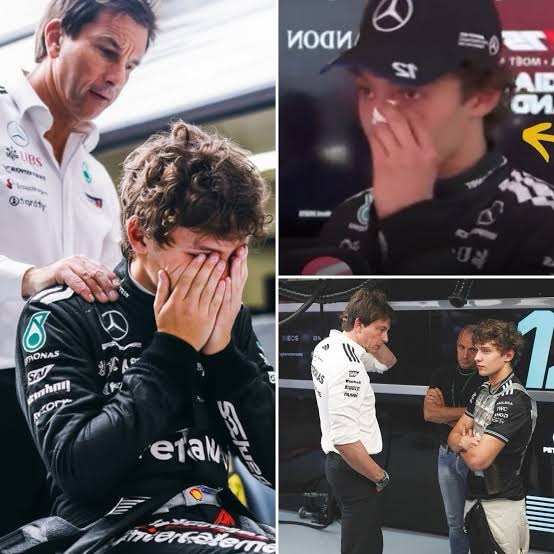
According to Mercedes deputy team principal Bradley Lord, the failure occurred without warning and triggered a complete shutdown of the power unit. The ERS system suffered what he described as a sudden loss of function as Russell approached Turn 8, causing a chain reaction that ultimately forced the British driver to retire from the race.
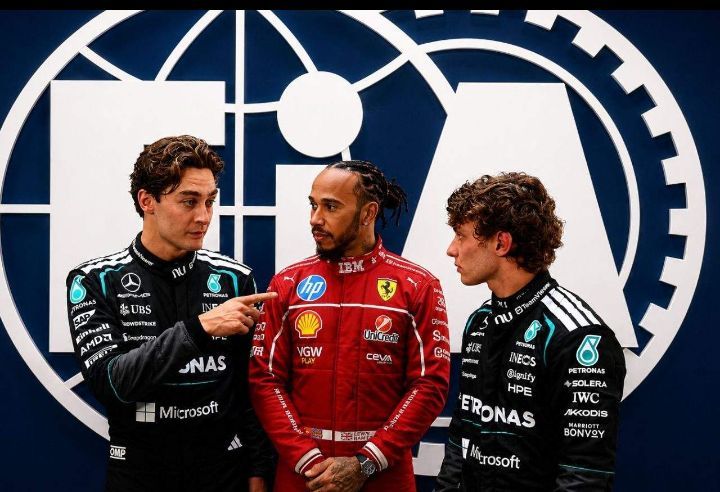
The retirement proved particularly costly in the championship battle. With Russell out of contention, team-mate Kimi Antonelli was able to take advantage and claim his fourth consecutive victory, extending his lead in the drivers’ standings. Russell now finds himself 43 points behind his fellow Mercedes driver heading into the next round in Monaco.
Mercedes engineers have already recovered the damaged car and removed the affected module, but a major challenge remains. The failed component is being transported back to the team’s UK base by shipping rather than air freight, meaning it could be several months before specialists are able to carry out a complete forensic examination.
That delay leaves Mercedes relying heavily on telemetry and performance data collected during the race weekend to determine what caused the failure. While modern Formula 1 cars generate vast amounts of information, identifying the precise source of a hardware malfunction without physically inspecting the damaged part can be extremely difficult.
Speaking on the team’s Nu Silver Arrows radio show, Lord praised Russell’s performance and stressed that the driver bore no responsibility for the retirement.
He explained that Russell had driven exceptionally well throughout the weekend and looked on course to become a deserving race winner. Lord added that the ERS issue occurred suddenly and caused additional damage after the initial failure, making the investigation even more complicated.
The incident has increased the urgency for Mercedes to ensure that a similar problem does not affect either of its cars during the remainder of the season. With the team currently fighting for both world championships, reliability could prove just as important as outright performance in determining the final outcome.
While Mercedes continue to analyse the available data, the full answer behind Russell’s retirement may not be known until the failed ERS module finally arrives in the United Kingdom and undergoes detailed inspection. Until then, the team faces an anxious wait as it works to prevent a repeat of the issue that cost Russell a potential victory in Canada.