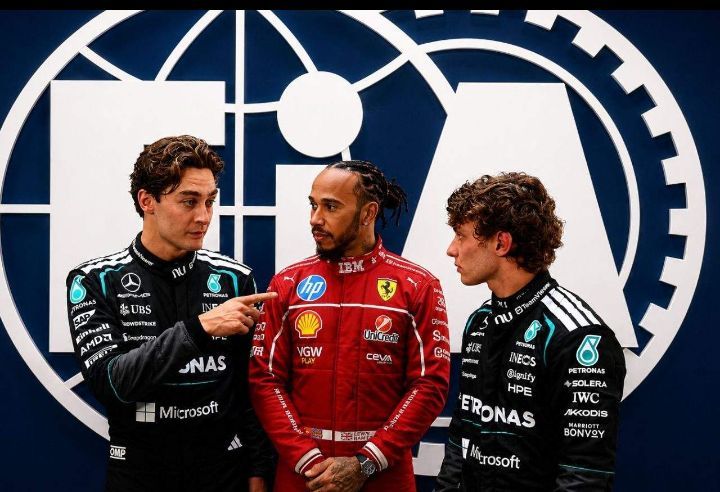
FIA president Mohammed Ben Sulayem has sparked fresh debate across Formula 1 after confirming that the sport is seriously considering a major engine revolution for the next regulation cycle. The proposed plan could see F1 move away from the current turbo-hybrid power units and return to naturally aspirated V8 or V10 engines by 2030 or 2031, while still retaining some form of hybrid battery technology.
Among the teams already reacting positively to the idea is Red Bull Powertrains, with team boss Laurent Mekies making it clear that the company would welcome the challenge of a completely different engine philosophy in the future.
The potential rule change would mark one of the most dramatic technical shifts in modern Formula 1 history. Since 2014, the championship has relied on turbo-hybrid V6 engines, a move that ushered in an era of extraordinary efficiency but also sparked criticism from fans who missed the louder and more aggressive sound of the old naturally aspirated engines.
During the hybrid era, Mercedes established itself as the benchmark power unit supplier, dominating the sport with an engine package that delivered both reliability and performance. The German manufacturer has won the majority of constructors’ and drivers’ championships during this period, not only through its factory team but also through customer partnerships.
Despite that success, Mercedes team principal Toto Wolff has reportedly shown openness toward the possibility of F1 adopting V8 or V10 engines again, signaling that even the current leaders are willing to embrace a new technical direction.
For Red Bull, the discussion comes at an important time. The Milton Keynes-based outfit officially entered Formula 1 as a power unit manufacturer for the 2026 regulations through Red Bull Powertrains, working alongside Ford Motor Company in a technical partnership. The project marked a huge step for the team, which previously relied on external engine suppliers throughout its history.
Mekies admitted that building a competitive engine operation from scratch has been an enormous undertaking, but he expressed pride in the progress already made by the RBPT division. According to him, while Red Bull still trails Mercedes slightly in overall power unit performance, the team believes its engineers have done an exceptional job in putting them in contention.
He explained that Red Bull sees the possibility of another engine reset as an exciting opportunity rather than a concern. Mekies also suggested that the company’s relatively new position as an independent engine manufacturer gives it greater flexibility when adapting to future changes compared to more established rivals.
The debate over F1’s future engine direction is expected to intensify in the coming months as manufacturers, teams, and the FIA continue discussions about sustainability, entertainment value, and long-term costs. A return to naturally aspirated engines would likely delight many fans nostalgic for the sport’s iconic sound and raw character, while still aiming to balance modern technological demands through hybrid systems.