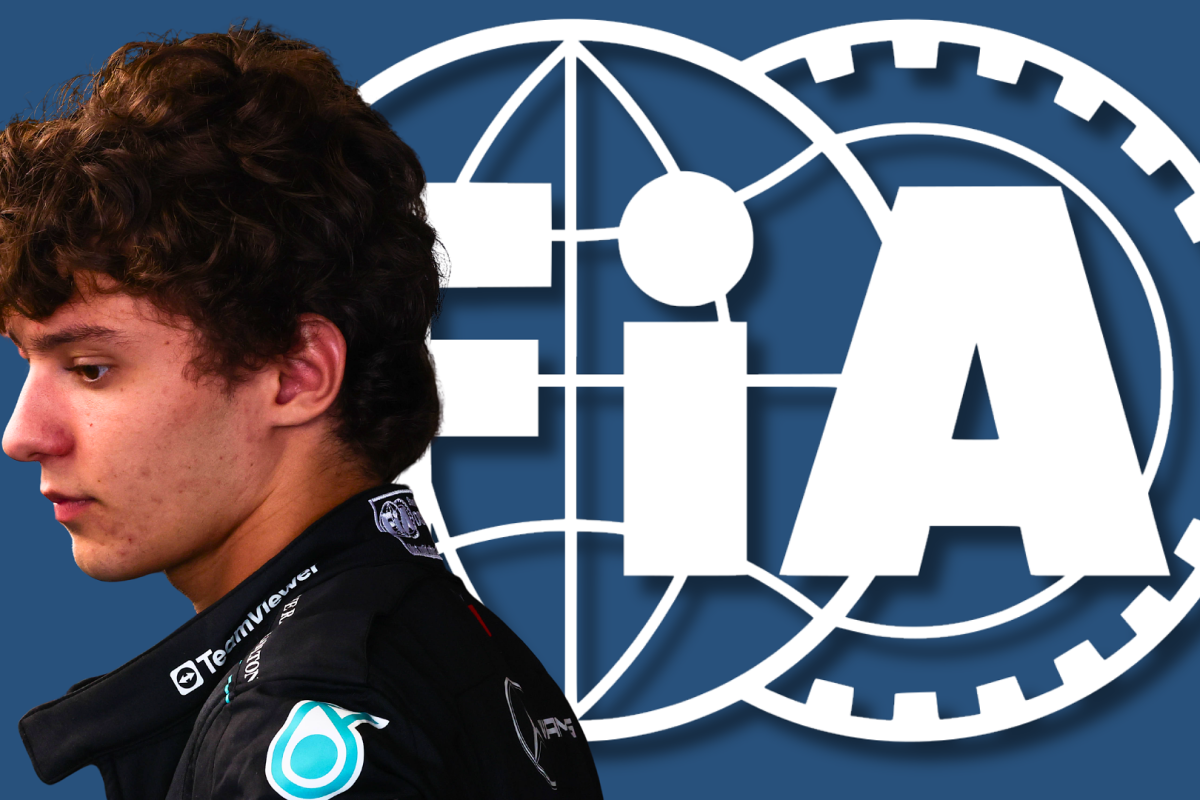
Fresh scrutiny over Formula 1’s multi-team ownership model has placed Red Bull under the spotlight after FIA president Mohammed Ben Sulayem confirmed the governing body is examining the issue more closely.
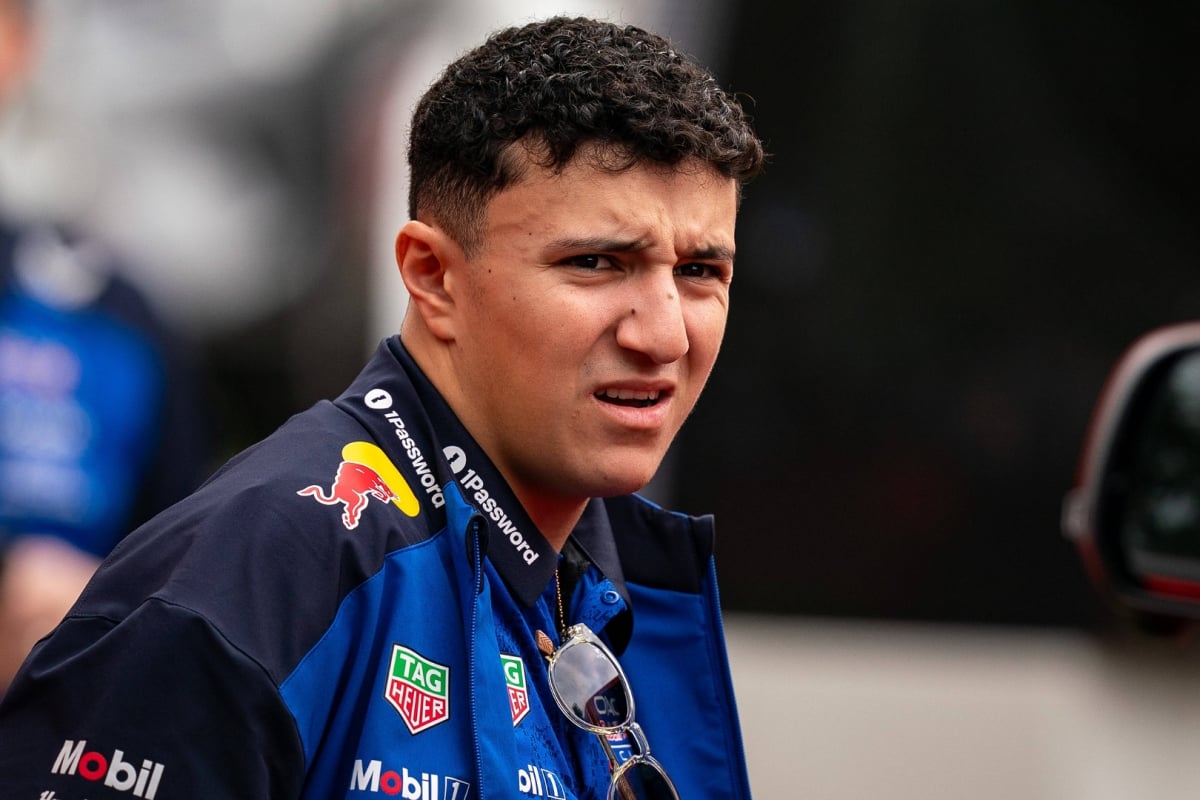
The debate centres around the relationship between Red Bull GmbH and their sister outfit Racing Bulls, formerly known as Toro Rosso, AlphaTauri and VCARB. The Faenza-based team has long operated as a development platform for young talent before drivers graduate to the senior Red Bull squad.
Since Red Bull entered Formula 1 in 2005, the two-team structure has helped launch the careers of several top drivers. Four-time world champion Sebastian Vettel, reigning champion Max Verstappen, Daniel Ricciardo and rising star Isack Hadjar all progressed through the junior team before earning promotions to the main Red Bull operation.
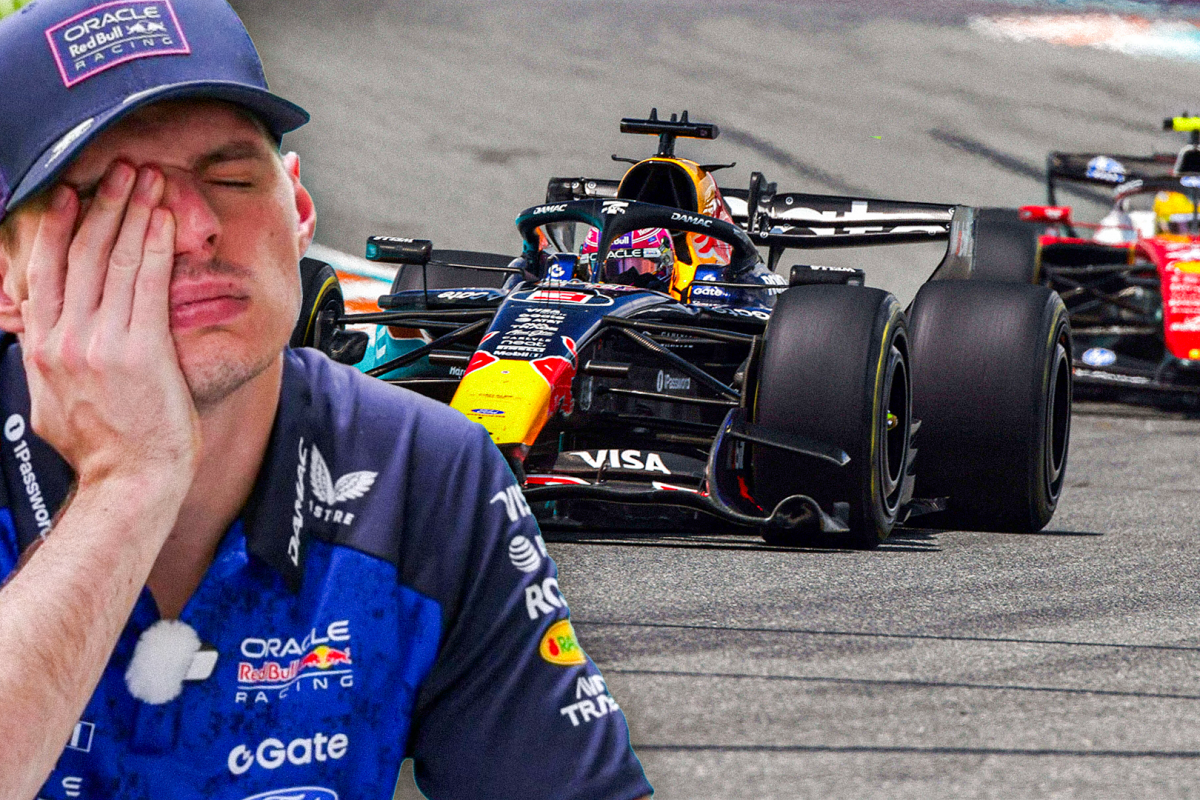
However, criticism of the arrangement has intensified in recent weeks, with Zak Brown among the most outspoken opponents. The McLaren chief recently described the so-called “A and B team” structure as unhealthy for the sport ahead of the Miami Grand Prix.
The comments are the latest chapter in a growing rivalry between McLaren and Red Bull. Tensions between the two teams escalated throughout last season after Red Bull questioned McLaren’s tyre cooling methods, although the FIA ultimately dismissed those concerns. Brown later mocked the Milton Keynes-based team from the pit wall, further souring relations.
The friction was also fuelled by a war of words involving former Red Bull team boss Christian Horner. Horner publicly criticised Brown over remarks linked to investigations into his conduct, inquiries that eventually cleared the Briton of wrongdoing.
Despite the controversy, Ben Sulayem indicated that multi-team ownership is not automatically against the FIA’s principles. Speaking to Reuters, the FIA president explained that such arrangements could be acceptable depending on the intentions behind them.
According to Ben Sulayem, concerns arise if ownership stakes are used to block rivals from entering the sport or to gain extra influence over regulation voting. While he stressed that this was his personal opinion, he admitted he does not believe owning two teams is the ideal situation for Formula 1.
The FIA chief also confirmed that the governing body is actively studying the matter because of the complexities involved. His comments suggest the issue is becoming increasingly important as F1 continues to grow commercially and competitively.
Any major rule changes regarding team ownership could have significant consequences for Red Bull and Racing Bulls, whose close operational links have often been questioned by rival teams. Critics argue that shared ownership could create conflicts of interest, while supporters claim the model helps develop young drivers and strengthens the overall grid.
For now, both teams remain free to compete under current regulations, but the FIA’s latest comments indicate that the debate surrounding multi-team ownership is far from over.