The controversy surrounding the 2026 Monaco Grand Prix continues to grow, with Mercedes becoming the latest team drawn into a major FIA review that could once again alter the final race classification. What initially appeared to be a settled result has evolved into one of the most debated incidents of the Formula 1 season, raising fresh questions about officiating, race management, and the consistency of stewarding decisions.
The drama began during the Monaco Grand Prix when several drivers were penalized for allegedly exceeding the pit-lane speed limit. Among those affected was Alpine driver Pierre Gasly, who crossed the finish line in an impressive third place. However, after the race, Gasly was handed two separate five-second penalties for pit-lane speeding, causing him to tumble down the order and lose what appeared to be a well-earned podium finish. The revised results elevated other drivers, including Red Bull’s Isack Hadjar, while significantly reshaping the final classification.
At the time, the penalties seemed straightforward. FIA officials determined that Gasly and several others had exceeded the maximum permitted speed in the pit lane, and the corresponding sanctions were applied. Yet Alpine immediately questioned the decision, arguing that the timing data used to calculate the speeds was inaccurate. Believing they had substantial evidence to support their case, the team formally requested a Right of Review from the FIA.
The review process soon uncovered a serious issue. During the FIA hearing, Formula One Management acknowledged that there had been an error involving the measurement of the pit-lane timing section. The data used to calculate average speeds was based on an incorrect distance, resulting in speed calculations that were higher than the drivers’ actual speeds. This revelation transformed the situation from a routine penalty dispute into a major officiating controversy.
After examining the evidence presented by Alpine, the stewards concluded that Gasly had not exceeded the speed limit. As a result, both penalties were rescinded and his third-place finish was officially restored. The decision immediately reshuffled the Monaco Grand Prix standings once again, returning Gasly to the podium and removing Hadjar from the top three. Other drivers also saw their positions adjusted as the revised classification came into effect.
While Alpine celebrated what it viewed as justice finally being served, rival teams were far less pleased. The central issue was not simply Gasly’s reinstatement but the broader implications of the ruling. Several other drivers had also been penalized because of the same timing error. Unlike Alpine, however, their teams either did not challenge the decisions or had already served the penalties during the race. Consequently, Gasly benefited from the correction while others remained disadvantaged.
This created a situation that many within the paddock considered unfair. Teams argued that if the original penalties were based on incorrect data, then every affected competitor should receive equal treatment. Instead, only Alpine’s driver regained his lost position. That concern prompted McLaren, Red Bull, and Mercedes to examine their legal options and consider further action.
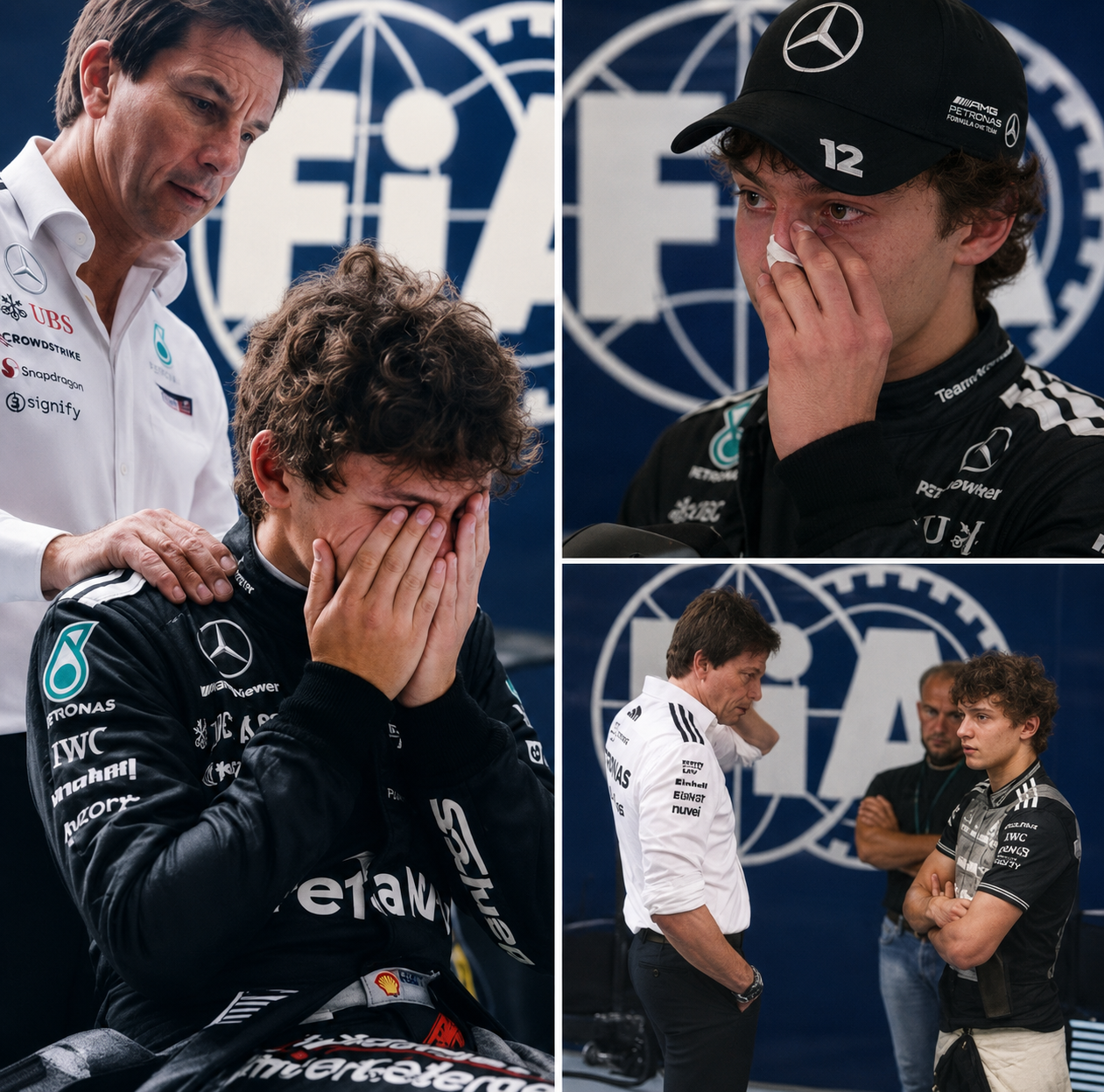
Mercedes found itself particularly frustrated because George Russell had also been caught up in the pit-lane speeding controversy. Russell initially received a speeding penalty during the Monaco race. Because of how the penalty situation unfolded, he later served a drive-through penalty that severely damaged his result and dropped him far down the order. Team principal Toto Wolff argued that the consequences for Russell were significant and that the subsequent revelations about faulty timing data demanded a closer examination of the entire case.
As the debate intensified, Mercedes formally requested a Right of Review from the FIA. The team’s objective was not necessarily to remove Gasly from the podium but to determine whether there was a remedy available for Russell and others who may have been unfairly penalized. The request effectively placed the Monaco Grand Prix classification under renewed scrutiny and opened the possibility of yet another adjustment to the official results.
The controversy has highlighted a difficult challenge for Formula 1’s governing body. FIA regulations allow teams to request reviews when significant new evidence emerges. Alpine successfully used this mechanism to overturn Gasly’s penalties. However, critics argue that the ruling creates an awkward precedent. If one team successfully overturns a penalty after a race, what happens to other competitors who suffered from the same error but did not launch a similar appeal within the required timeframe?
McLaren and Red Bull have also expressed concerns regarding the broader competitive implications. Officials from both organizations questioned whether the outcome was truly equitable, given that multiple drivers were affected by the same incorrect data. Their position is that restoring one driver’s result without addressing the consequences for others risks undermining confidence in the consistency of FIA decision-making.
Meanwhile, the FIA faces increasing pressure to explain how such an error occurred in the first place. The timing system is one of the most critical elements of race officiating, and teams expect absolute accuracy. Discovering that an incorrect measurement contributed to penalties during one of Formula 1’s most prestigious races has inevitably raised questions about procedures, oversight, and quality control. FIA officials have acknowledged the issue and indicated that improvements will be implemented to prevent a similar incident from happening in future events.
For Gasly, the decision restored valuable championship points and a long-awaited podium finish. Nevertheless, the celebration was somewhat bittersweet because the original podium ceremony had already taken place days earlier. The French driver regained the result on paper, but he could not fully relive the emotional experience of standing on the Monaco podium immediately after the race.
The situation now rests with the FIA and its review process. Mercedes’ request ensures that the Monaco Grand Prix story is far from over. Depending on the outcome of the hearing, Formula 1 could witness another adjustment to the final classification, extending one of the most unusual post-race sagas in recent memory. Whether the FIA ultimately upholds the current standings or introduces further changes, the Monaco controversy has already become a landmark case that may influence how future appeals and race reviews are handled throughout the sport.
As fans, teams, and drivers await the FIA’s next move, one thing is certain: the Monaco Grand Prix remains one of the most talked-about races of the season, not because of what happened on the track, but because of the legal and procedural battle that followed long after the chequered flag had fallen.