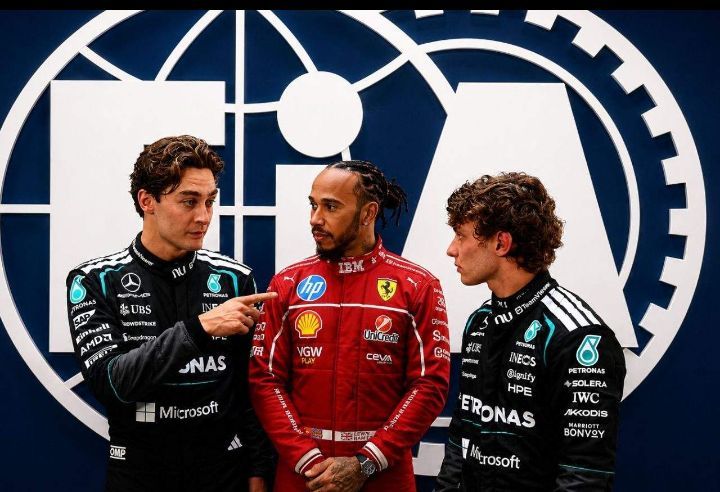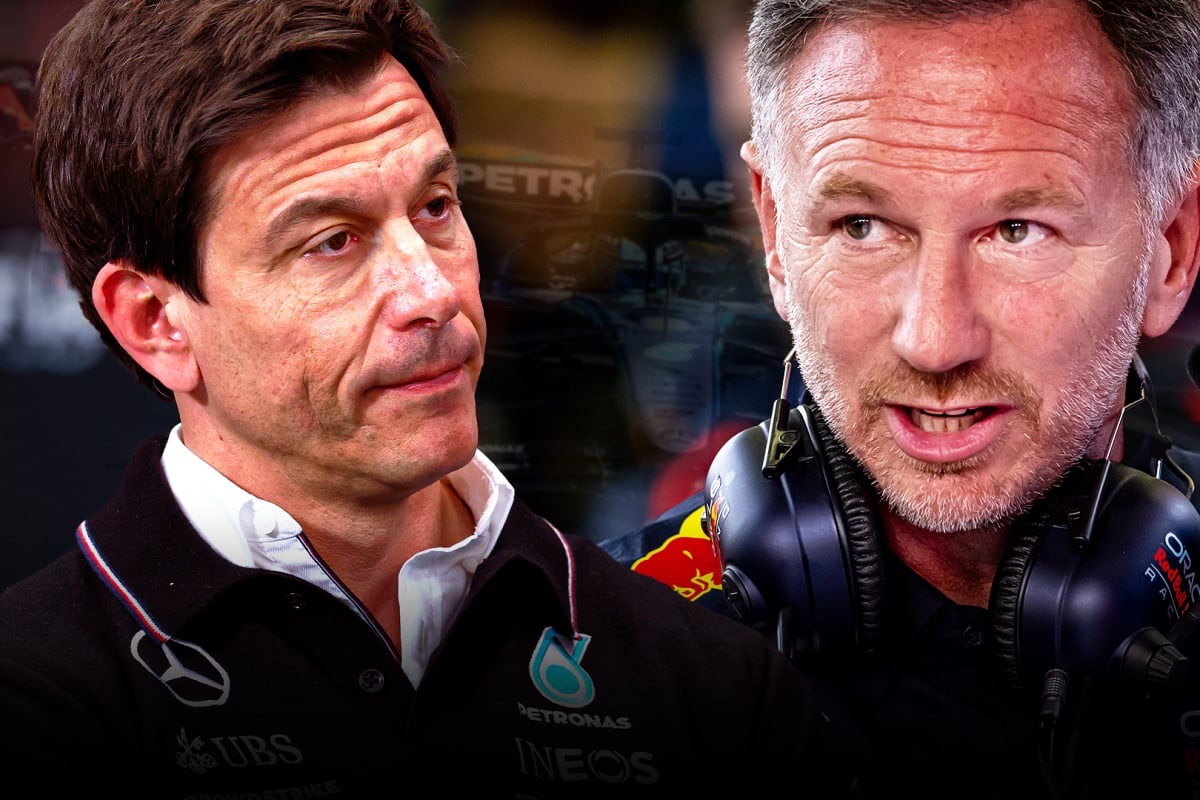
The Formula 1 paddock is once again buzzing with major developments, as Christian Horner’s potential return to the sport appears to have received a significant boost while the FIA has announced a new measure that will affect drivers at the 2026 Monaco Grand Prix.
Mercedes Withdraw Interest in Alpine Stake
Former Red Bull team principal Christian Horner could be a step closer to making a return to Formula 1 following reports that Mercedes are no longer pursuing a stake in Alpine.
For several months, speculation has linked Horner with a possible role at the Enstone-based team after his departure from Red Bull in 2025. The British executive remains one of the most successful team bosses in modern Formula 1 history, having guided Red Bull to multiple drivers’ and constructors’ championships during his two-decade tenure.
A key obstacle to any potential involvement had been the interest shown by Mercedes in purchasing the 24 percent shareholding currently owned by investment firm Otro Capital. Industry insiders had suggested that Mercedes’ interest could complicate any future move involving Horner, with some believing the German manufacturer was exploring the opportunity partly to strengthen its influence within the sport.
However, fresh reports indicate that Mercedes have now stepped away from negotiations. The decision is understood to have been influenced by the high valuation attached to the stake, with the asking price reportedly considered excessive.
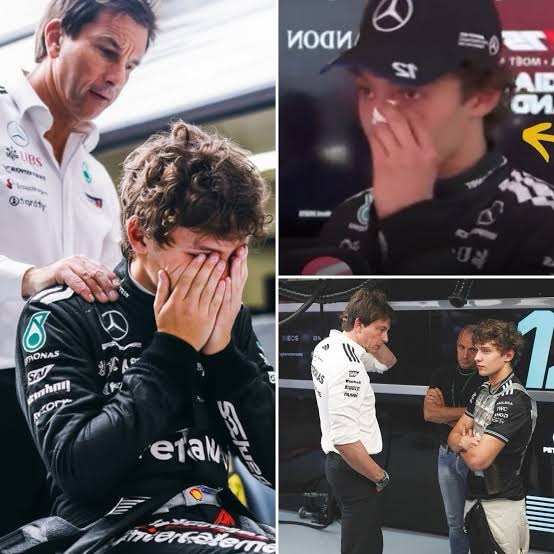
Mercedes team principal Toto Wolff and his organisation are therefore expected to focus their resources elsewhere rather than pursue an investment that may not offer sufficient strategic value.
The development potentially clears the path for new investors or influential figures to become involved with Alpine, and Horner’s name continues to be mentioned prominently whenever discussions about the team’s future leadership arise.
Although no official agreement has been announced and Horner has yet to confirm his next move, the latest situation has inevitably intensified speculation that the former Red Bull chief could re-emerge in Formula 1 sooner rather than later.
With Alpine continuing its efforts to move up the competitive order, the prospect of adding a highly experienced figure such as Horner would undoubtedly attract attention throughout the paddock.
FIA Introduces New Monaco Grand Prix Restriction
Meanwhile, the FIA has confirmed a significant sporting change ahead of the 2026 Monaco Grand Prix.
The famous street circuit will host the new generation of Formula 1 cars for the first time next season following the introduction of sweeping technical regulations. The 2026 machines are smaller, lighter and narrower than their predecessors, changes designed to improve racing and increase overtaking opportunities.
Despite these modifications, the FIA has decided to implement a speed restriction in certain sections of the Monaco circuit. Drivers will therefore be unable to reach the maximum speeds that would normally be possible around the principality’s streets.
The governing body has already banned the use of straight-line speed-enhancing modes that teams previously relied upon, and the newly announced limitation forms part of a broader effort to improve safety while adapting to the characteristics of the new cars.
Monaco remains one of the most iconic and challenging venues on the Formula 1 calendar. The circuit’s narrow barriers, limited run-off areas and tight corners leave little room for error, making precision more important than outright speed.
FIA officials believe the latest measures will help maintain safe racing conditions while ensuring that the unique challenge of Monaco remains intact. Teams are now expected to adjust their setups and race strategies accordingly before arriving in the principality.
As the 2026 season continues to evolve, both stories are likely to remain major talking points. Horner’s future remains uncertain but increasingly intriguing, while the FIA’s latest Monaco decision demonstrates its determination to manage the transition into Formula 1’s new regulatory era. Together, these developments provide yet another reminder that the battle for success in Formula 1 extends far beyond what happens on race day.