
The 2026 edition of the iconic 24 Hours of Le Mans delivered yet another thrilling chapter even before the race itself began, as the qualifying and Hyperpole sessions produced intense competition, surprising eliminations, and standout performances across all three major categories: Hypercar, LMP2, and LMGT3. With a revised format designed to increase excitement and give more competitors a chance to fight for top grid positions, the battle for pole position proved to be as dramatic as ever.
Qualifying for the event followed a structured approach that separated the Hypercar class from the combined LMP2 and LMGT3 categories. Each group had its own dedicated session, during which teams fought to secure a place in the highly coveted Hyperpole rounds. Only the fastest competitors advanced, with the top 15 cars in each class earning a chance to compete in the next stage of qualifying.
The introduction of the updated Hyperpole format for 2026 added another layer of intensity. Instead of a single shootout, the Hyperpole session was divided into two stages—Hyperpole 1 and Hyperpole 2. In the first stage, the qualified cars competed in a short, high-pressure run, with only the top ten advancing to the final shootout. The remaining contenders then battled in Hyperpole 2 for pole position and the best possible starting spots on the grid.
In the Hypercar category, the fight for supremacy was incredibly close. Alpine emerged as the standout performer during qualifying, with its #35 entry topping the timesheets. The trio of António Félix da Costa, Charles Milesi, and Ferdinand Habsburg combined their efforts to deliver a blistering lap time of 3:23.135, placing them at the top of the order. Their performance highlighted Alpine’s growing competitiveness in endurance racing and positioned them as strong contenders heading into the race.
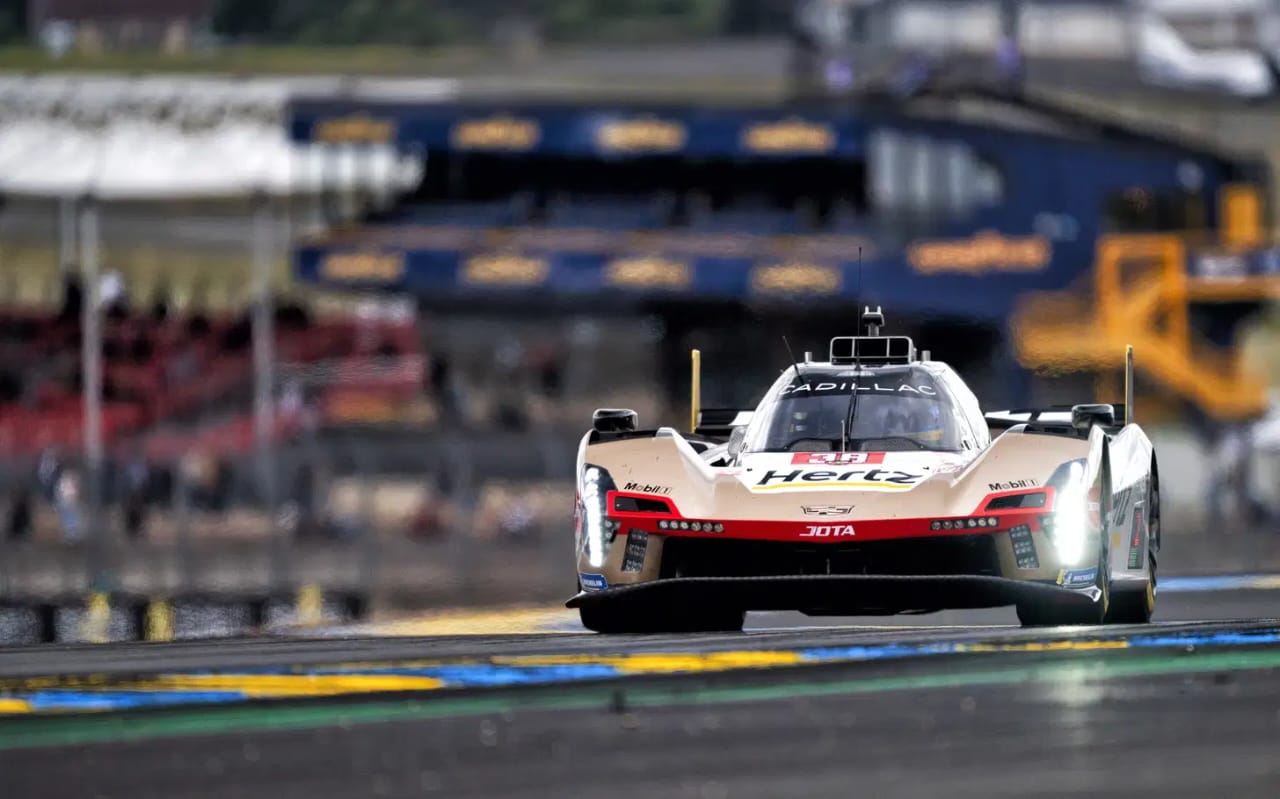
Cadillac also showcased impressive pace, securing multiple top positions. The #12 Cadillac Hertz Team Jota entry followed closely behind Alpine, missing the top spot by a mere 0.013 seconds—an incredibly narrow margin that underscored just how competitive the session was. Another Cadillac entry, the #101 car from Wayne Taylor Racing, completed the top three, further reinforcing the manufacturer’s strong presence at the front of the grid.
BMW joined the front-running battle as well, with its Team WRT entries delivering solid performances. The #20 car secured fourth position, while the #15 entry also made it into the top six. Aston Martin, Toyota, and Genesis were also well represented in the top ten, demonstrating the depth of competition in the Hypercar class. Meanwhile, Ferrari—despite its pedigree and previous success—found itself further down the order, with both of its entries outside the top ten positions.
One of the biggest talking points from qualifying was the shock elimination of the defending Le Mans winners. The AF Corse Ferrari that triumphed in 2025 failed to make it into the Hyperpole session, highlighting the unpredictable nature of endurance racing and the incredibly high level of competition in 2026.
In the LMP2 category, the Duqueine Team set the benchmark, with Doriane Pin leading the charge. The #30 car posted the fastest time of 3:34.662, securing the top spot in its class. Close behind were entries from CLX Motorsport and Inter Europol Competition, both of which delivered strong performances to round out the top three. These results indicated a tightly contested field, with only fractions of a second separating the leading teams.
The LMGT3 class also saw its share of drama. Initially, the #34 Racing Team Turkey by TF entry appeared to have secured the top position, thanks to an impressive lap by Peter Dempsey. However, the car was later disqualified due to a technical infringement involving the rear diffuser. This decision dramatically reshaped the standings, promoting the #77 Proton Competition entry to the top position. Such regulatory decisions are a reminder of the strict technical standards that teams must adhere to in endurance racing.
The Hyperpole sessions themselves were designed to push both drivers and machines to their absolute limits. With limited time and immense pressure, every lap counted, and even the smallest mistake could cost a team valuable grid positions. The requirement for different drivers to participate in each segment added another strategic element, forcing teams to carefully manage their driver line-ups while maintaining peak performance.
Overall, the 2026 Le Mans qualifying and Hyperpole sessions delivered everything fans expect from one of motorsport’s most prestigious events: speed, drama, unpredictability, and fierce competition. Alpine’s emergence at the top of the Hypercar standings signals a potential shift in the balance of power, while Cadillac’s strong showing ensures that the fight for victory will be intense.
With multiple manufacturers such as BMW, Toyota, Aston Martin, Ferrari, and others all within striking distance, the stage is set for an unforgettable race. The results from qualifying not only determine the starting grid but also provide a glimpse into the form and potential strategies of each team as they prepare for the grueling 24-hour challenge ahead.
As the countdown to the race continues, all eyes will be on whether Alpine can convert its qualifying dominance into race success, or if rivals like Cadillac and BMW can capitalize on their strong positions. Meanwhile, teams further down the grid—including those that suffered setbacks or disqualifications—will be aiming to recover and make their mark during the race itself.
In endurance racing, anything can happen over 24 hours, and while qualifying provides an important advantage, it is only the beginning of a much longer and more demanding battle. The 2026 Le Mans 24 Hours promises to deliver yet another unforgettable spectacle, with the Hyperpole results setting the tone for what lies ahead.