The battle for pole position at the 2026 24 Hours of Le Mans produced a dramatic and intense Hyperpole session at the legendary Circuit de la Sarthe, with several major manufacturers fighting for supremacy in one of endurance racing’s biggest events. Fans were treated to a thrilling evening as the fastest cars from qualifying returned to the track to decide the final grid positions for the iconic race.
After a tense initial qualifying session earlier in the week, the Hyperpole showdown featured the quickest contenders from the Hypercar category, all hoping to secure the prestigious honor of starting from the front of the field. The session delivered surprises, standout performances, and disappointment for some of the race favorites.
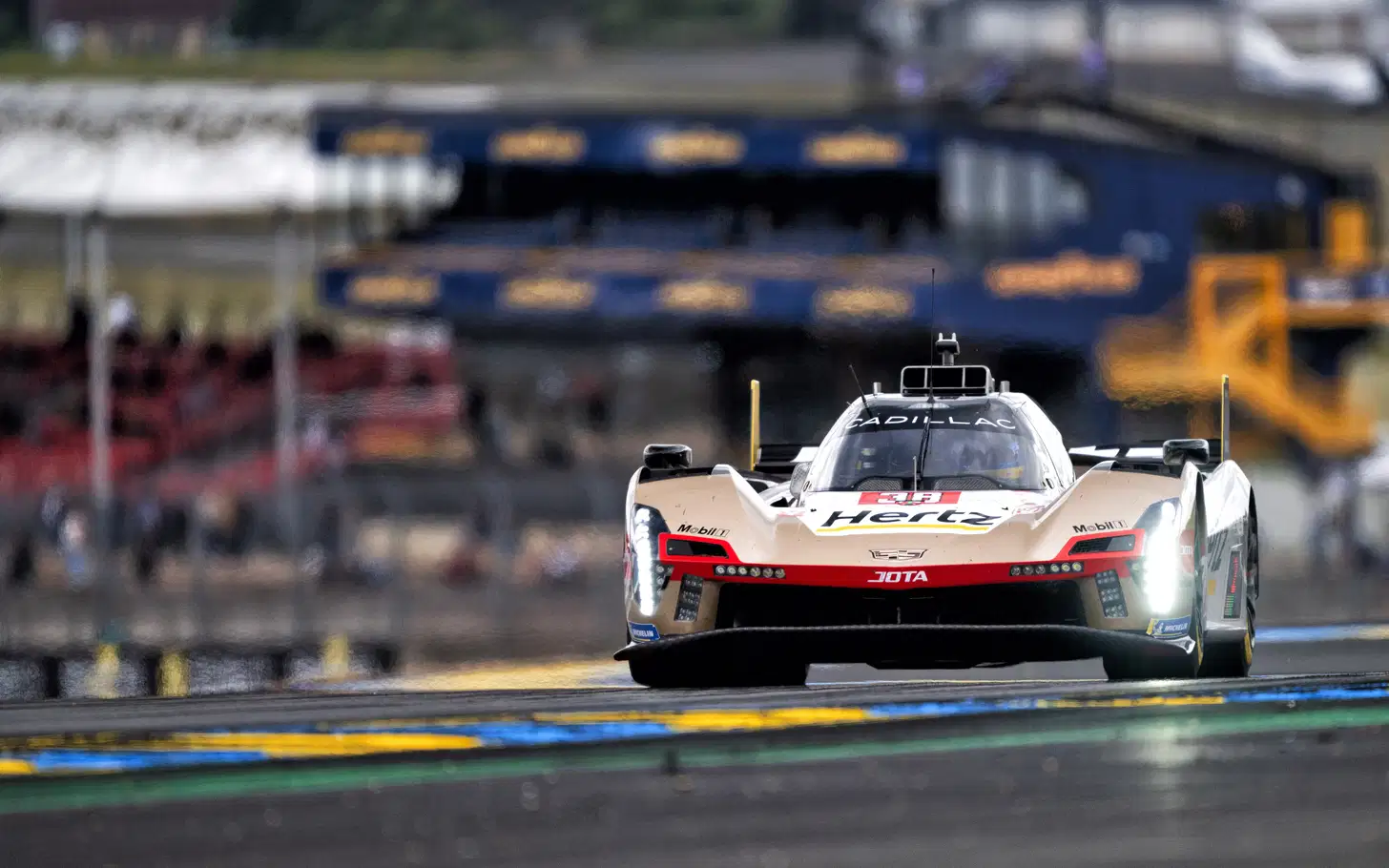
Cadillac emerged as one of the strongest teams throughout the qualifying process and carried impressive speed into Hyperpole. The American manufacturer continued the momentum it had shown during practice sessions and earlier qualifying runs, once again proving that its Le Mans package is capable of fighting for overall victory. The Cadillac entries consistently looked stable through the high-speed sectors of the circuit and demonstrated remarkable pace under pressure.
Alpine also produced an exceptional performance during the qualifying stages. The French manufacturer thrilled the home crowd by putting together competitive laps against the powerhouse entries from Cadillac, Porsche, Ferrari, BMW, Toyota, and Aston Martin. Alpine had already shown strong pace earlier in the week, topping parts of qualifying and demonstrating that it could challenge the traditional favorites for top honors.
One of the biggest talking points of the event was the shock elimination of the defending Le Mans-winning Ferrari entry before Hyperpole. The #83 Ferrari failed to secure a place among the advancing cars during the first qualifying stage, meaning the reigning winners would start much lower down the order than expected. The result stunned many fans and analysts because Ferrari entered the event as one of the favorites after its recent endurance racing successes.
The qualifying sessions themselves were filled with constant changes at the top of the timing screens. Drivers pushed their machines to the absolute limit around the eight-mile circuit, threading through traffic while balancing risk and precision. The long straights and technical corners of Le Mans make qualifying especially challenging because teams must combine straight-line speed with aerodynamic efficiency and tire management.
Aston Martin’s Valkyrie Hypercar project also generated plenty of attention during the session. The British manufacturer produced encouraging lap times and briefly looked capable of fighting near the front. The sight and sound of the Valkyrie around Le Mans became one of the highlights for spectators watching the Hypercar battle unfold.
BMW and Porsche similarly remained firmly in the fight throughout qualifying. Both manufacturers displayed solid consistency and appeared confident heading into the race itself. Porsche, with its immense Le Mans history, once again looked like a serious threat in the endurance classic, while BMW continued to show progress with its latest prototype program.
Meanwhile, Peugeot endured a frustrating qualifying campaign. Both Peugeot Hypercars missed the Hyperpole cut, leaving the French team disappointed on home soil. The result increased pressure on the manufacturer ahead of the main race, where reliability and strategy will become even more important.
The Hyperpole format itself added even more excitement to proceedings. Similar in style to Formula 1 knockout qualifying, the session rewards outright pace and demands near-perfect execution from drivers and engineers alike. Teams carefully timed their runs to maximize track conditions and avoid traffic, while drivers searched for every fraction of a second.
Several incidents and interruptions also affected the overall qualifying story across the week. Earlier sessions saw red flags and stoppages after mechanical problems and off-track moments disrupted the flow of running. These interruptions made it even more difficult for teams to secure clean laps and forced engineers to rethink their strategies multiple times.
In the LMP2 and LMGT3 categories, competition was equally intense. Teams battled hard for class pole positions, with numerous close lap times separating the leading contenders. Traffic management became a major factor because the different categories shared the circuit during some qualifying periods. Drivers needed to carefully navigate slower cars while still pushing hard enough to remain competitive.
The LMGT3 category produced especially entertaining action, with several manufacturers trading fastest times throughout the sessions. Corvette, Ferrari, BMW, Aston Martin, and McLaren entries all fought for strong starting positions, while some penalties and technical inspections later reshuffled parts of the order.
Le Mans qualifying always carries unique importance because the race is not only about outright speed but also about endurance, reliability, and consistency over 24 hours. Even so, securing a strong starting position can provide a critical advantage by helping teams avoid early-race chaos and maintain strategic flexibility.
The 2026 edition of the famous endurance race has already built massive anticipation due to the incredible depth of the Hypercar field. Manufacturers from around the world have committed huge resources to the championship, creating one of the most competitive eras in Le Mans history. Cadillac, Ferrari, Porsche, Toyota, Alpine, BMW, Peugeot, Aston Martin, and Genesis are all contributing to a golden age for endurance racing.
Fans now eagerly await the start of the race itself, where qualifying pace will be tested against the brutal realities of a 24-hour endurance event. Weather conditions, tire strategy, driver changes, mechanical reliability, and nighttime performance will all play decisive roles once the green flag drops.
Although Hyperpole determines the official starting order, history has shown that success at Le Mans requires far more than a single fast lap. Teams must survive changing track conditions, long stints in darkness, safety cars, and the physical demands placed on drivers throughout the day and night.
Still, the qualifying sessions provided a fascinating preview of what could become one of the most competitive Le Mans races in recent memory. Cadillac’s impressive pace, Alpine’s strong challenge, Ferrari’s shocking setback, and the fierce multi-manufacturer battle all point toward an unpredictable contest for overall victory.
With the grid now set after an action-packed Hyperpole session, attention turns fully toward the legendary race itself. The stage is ready for another unforgettable chapter in endurance racing history as the world’s greatest sports car teams prepare for 24 hours of relentless competition at Le Mans.